
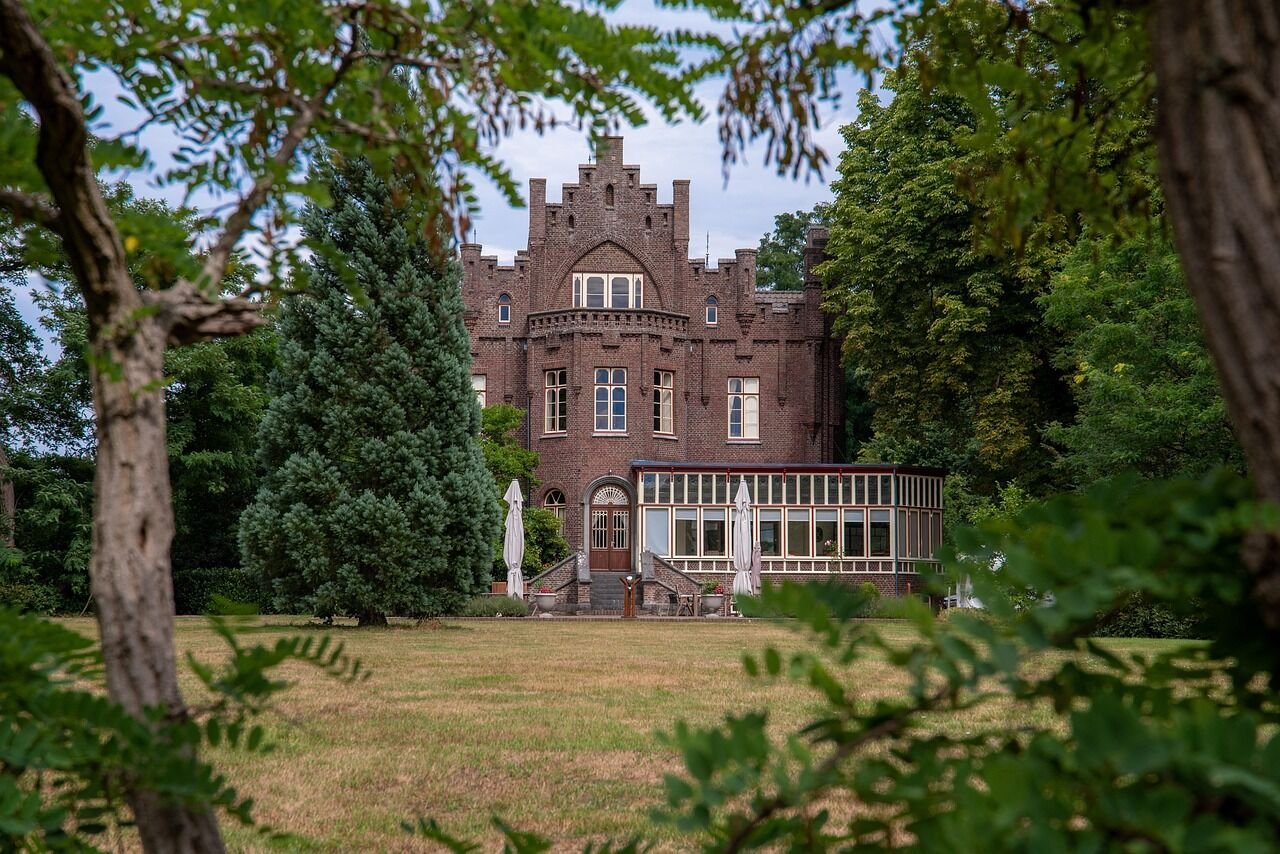
Smart Eco-Living in KL & Selangor: Practical Upgrades for Condos and Terrace Homes
Electricity bills in Kuala Lumpur and Selangor have been creeping up, especially for urban households that rely heavily on air-conditioning, water heaters, and always-on gadgets. Many young professionals and environmentally conscious homeowners are now looking for ways to cut costs while living more sustainably in condos and terrace houses.
This guide breaks down practical, realistic smart-living and eco-upgrade ideas that work in real Malaysian homes, with a focus on KL and Selangor living. The aim is to combine lower monthly bills, more comfort, and better long-term sustainability, without going into overly technical details or expensive showpiece solutions.
“Sustainable living in urban Malaysia is no longer only about environmental awareness — many homeowners now focus equally on reducing long-term living costs.”
Why Smart Eco-Living Matters in Urban Malaysia
In high-density areas like Kuala Lumpur, cooling, lighting, and always-on electronics can quietly push TNB bills higher each month. Many condos also have limited natural ventilation and smaller windows, which increases reliance on air-conditioners and mechanical ventilation.
At the same time, EV ownership is growing in KL and Selangor, and more buyers are asking about green-certified buildings, energy-efficient appliances, and smart home readiness. Developers are responding with features like EV charging bays, solar-ready designs, and better insulation, but many existing condos and terrace houses still need practical upgrades.
Smart eco-living is about combining three goals:
- Reduce electricity usage through smarter control and efficient appliances
- Improve comfort and convenience with automation and better design
- Lower long-term environmental impact by cutting energy waste
Big Energy Users in KL Homes: Where to Focus First
Before buying any smart gadget, it helps to understand which parts of your home use the most electricity. For typical KL condos and terrace houses, the main energy “hotspots” are similar.
1. Air-Conditioners
In urban Malaysia, air-conditioning is often the biggest single electricity cost. Many households in KL run AC units for 6–10 hours per day, especially at night. Older non-inverter models, poor insulation, and high temperature settings (too cold) all increase consumption.
Rather than simply “using less AC”, smart changes like better zoning, timers, and temperature control can reduce cost while keeping comfort levels high.
2. Water Heaters
Electric instant water heaters, common in condos and terrace houses, are another hidden energy drain. Long hot showers and high-temperature settings add up quickly, especially in larger families or house-shares with multiple bathrooms.
Small behaviour tweaks and smarter controls often bring visible savings without major investments.
3. Fridges, Lighting, and Always-On Devices
Fridges run 24/7, and outdated, non-inverter units can be very inefficient. Lighting and always-on devices (Wi-Fi routers, set-top boxes, standby TVs, plugs) may not seem like much individually, but together they can account for a meaningful part of the bill.
Upgrading these to more efficient or smarter options tends to provide steady long-term savings with minimal lifestyle change.
Smart Eco Upgrades That Make Sense in KL Condos
Condos in Kuala Lumpur and Selangor come with constraints: limited space, building rules, shared facilities, and no control over external walls or roofs. Still, there are many practical ways to lower electricity usage and increase comfort.
1. Smart AC Control Instead of Full System Replacement
Replacing an old AC with a new inverter model can be expensive, especially in multi-room condos. A more accessible first step is to use smart AC controllers or smart plugs (if compatible), combined with sensible settings.
Key strategies include:
- Setting temperatures around 24–26°C rather than 20–22°C
- Using timers to avoid running AC all night at maximum power
- Cooling only occupied rooms, not the entire unit
- Using fans to circulate cool air so the AC works less
Even modest changes like this can reduce AC-related consumption by 10–20% in many homes, especially where AC previously ran very cold or for too long.
2. LED Lighting and Smart Scheduling
Many older condos still use CFL or halogen bulbs in common areas and units. Switching to LED bulbs is one of the simplest upgrades, often paying for itself in under a year through lower wattage and longer life.
Adding smart controls helps further:
- Install motion sensors in corridors, storerooms, and bathrooms so lights are not left on.
- Use smart switches or smart bulbs in living rooms and bedrooms for scheduled on/off times.
- Create scenes like “All Off” when leaving the house to avoid forgotten lights.
This combination offers strong convenience benefits alongside modest but steady energy savings.
3. Energy-Efficient Appliances for Compact Spaces
In KL condos, space is limited, so every large appliance counts. When replacing items like fridges, washing machines, or dryers, prioritise models with good energy efficiency labels and inverter technology.
Choosing an inverter fridge or washer may cost more upfront, but can bring noticeable monthly savings over 8–10 years. For young professionals planning to stay in the same unit or keep the appliance when moving, this often makes financial sense.
Eco Upgrades for Terrace Houses in KL & Selangor
Terrace houses have more flexibility than condos: small rooftop areas, external walls, and often yard space. This opens up additional eco-living options that can be combined with smart devices for further savings.
1. Solar Water Heaters vs Electric Heaters
One of the most practical upgrades for landed homes is solar water heating. A typical solar water heater can supply hot water for bathrooms and sometimes the kitchen, reducing reliance on electric instant heaters.
While the initial cost is higher than a basic heater, many households see meaningful reductions in hot water electricity use over the years, especially in larger families where showers run frequently.
2. Basic Roof and Window Improvements
Terrace homes in the Klang Valley can get very hot in the afternoon, forcing heavier AC use. Simple physical upgrades often provide strong comfort benefits:
- Heat-reflective roof coatings or better insulation in the ceiling
- Shading for west-facing windows (awnings, blinds, or external shading)
- Energy-efficient or tinted windows in key rooms
These are not “smart” in the gadget sense, but they can reduce heat gain, allowing AC units to work less while maintaining comfort.
3. Solar PV: When Is It Worth Considering?
Landed homes in Selangor and some KL suburbs may be suitable for rooftop solar PV systems. With net energy metering (NEM) schemes, homeowners can offset part of their monthly TNB bill.
Solar PV usually requires higher upfront investment and installation approvals, so it suits owners planning long-term occupation. Many environmentally conscious homeowners see it as a way to hedge against future electricity price increases while lowering emissions.
EV Ownership, Condos, and the Charging Challenge
EV ownership in Kuala Lumpur and Selangor has been growing, especially among young professionals and higher-income households. However, charging in condos remains one of the biggest practical barriers.
EV Charging in Condos
Most existing high-rise buildings were not designed with personal EV chargers in mind. Challenges include:
- Limited electrical capacity in car parks
- Strata management rules and safety concerns
- Shared parking bays without dedicated wiring
Some newer or upgraded condos now provide shared EV charging bays, often billed via app or access card. This is increasingly seen as an attractive feature, especially among buyers who value future-proofing and green-certified buildings.
EV Charging in Terrace Houses
Terrace homeowners have more control, and installing a home wall charger is usually more straightforward, subject to electrical checks and approvals. Combining an EV charger with a solar PV system (where feasible) can significantly reduce the “fuel” cost of driving, though the upfront cost is higher.
In both condo and landed contexts, an EV is not just a lifestyle choice. It also connects to the broader theme of long-term cost control and reduced dependence on fossil fuels, which many urban Malaysians are starting to value.
Smart Eco-Living Upgrades Checklist
The table below gives a simple overview of common urban-home solutions, ballpark costs, and potential benefits in Malaysia. Actual prices vary by brand, installer, and home size, but this offers a starting framework for planning.
| Solution | Estimated Cost (RM) | Potential Benefit |
|---|---|---|
| LED lighting upgrade (whole condo) | RM200–RM500 | Lower lighting use, longer bulb life, minimal behaviour change |
| Smart AC controller / timer | RM150–RM400 per unit | Better temperature control, less overnight cooling waste |
| Inverter fridge replacement | RM1,200–RM3,000 | Reduced 24/7 energy use over many years |
| Solar water heater (terrace house) | RM3,000–RM7,000 | Lower hot water electricity usage, good for larger families |
| Basic roof insulation / heat-reflective coating | RM1,500–RM5,000 | Cooler rooms, reduced AC running time, more comfort |
| Rooftop solar PV (terrace house) | RM10,000–RM25,000+ depending on size | Offsets part of TNB bill, long-term energy cost stability |
| Smart plugs & power strips | RM80–RM300 | Cut standby power and schedule devices more easily |
| EV home charger (terrace) | RM3,000–RM7,000+ | Convenient home charging, lower running cost vs petrol |
Are Smart and Eco Upgrades Really Expensive?
One common concern is that eco-living and smart tech are only for high-income households. In reality, many low-cost, high-impact changes are available, especially for KL condo dwellers.
Examples include:
- Switching to LED bulbs and using motion sensors in low-traffic areas
- Setting AC to reasonable temperatures and using smart timers
- Replacing the oldest, most inefficient appliance first (often the fridge)
- Sealing gaps around doors and windows to reduce cool air loss
- Using fans to complement AC rather than relying on AC alone
These require modest investment but can contribute to noticeably lower monthly bills over time, particularly in households with higher baseline usage.
FAQs: Smart Eco-Living in KL and Selangor
1. Are solar panels really worth it in Malaysia?
Solar panels can be worth it for landed homes with suitable roofs, especially if the household uses a lot of electricity during the day. Under net energy metering schemes, surplus solar generation can offset part of the TNB bill, improving long-term value.
However, the upfront cost is significant, so it usually makes sense for homeowners who plan to stay in the property for many years, and who are comfortable with a longer payback period rather than quick savings.
2. Can condos in KL support EV charging?
Technically, many condos can support some level of EV charging, but the main barriers are management policies, electrical capacity, and parking layouts. Newer developments in Kuala Lumpur increasingly include shared EV charging bays or wiring provisions.
For existing buildings, EV owners often need to work with the Joint Management Body (JMB) or Management Corporation (MC) to explore shared chargers, billing methods, and safety considerations. It can be done, but it requires community-level planning.
3. How much electricity do smart devices actually save?
Smart devices themselves do not magically reduce consumption; they are tools that make it easier to avoid waste. For example, a smart AC controller that enforces moderate temperatures and off-peak schedules can reduce cooling costs compared to manual usage patterns.
Similarly, smart plugs, motion sensors, and schedules help cut standby and unnecessary usage. The more “wasteful” the starting habits, the more potential savings from using smart controls consistently.
4. Are eco-friendly upgrades always more expensive?
Some eco upgrades, like solar PV or full double-glazing, do carry higher upfront costs. But many basic eco-friendly choices are close in price to standard options, such as LED bulbs versus older bulbs, or an efficient fridge versus a non-efficient one of similar size.
When you include the running cost over 5–10 years, efficient options often become cheaper overall. The key is to look at lifetime cost, not just purchase price, especially in a context of rising electricity costs in urban Malaysia.
5. Do green-certified buildings really make a difference for residents?
Green-certified buildings in KL and Selangor typically include features like better insulation, more natural light, efficient common-area lighting, and sometimes solar or rainwater systems. These can reduce shared electricity usage and improve comfort for residents.
While certification alone does not guarantee low bills, it signals that the building was designed with energy and resource efficiency in mind. Many young professionals and environmentally conscious homeowners now actively seek such features when choosing where to live.
Bringing It All Together for a Smarter, Greener Urban Lifestyle
Smart eco-living in Kuala Lumpur and Selangor does not require huge, dramatic changes. It is often about a series of small, thoughtful decisions around appliances, habits, and simple upgrades, applied consistently over time.
For condo residents, focusing on AC control, LED lighting, and efficient appliances can deliver meaningful savings and convenience. For terrace house owners, adding elements like solar water heaters, basic insulation, or rooftop solar PV can further reduce long-term reliance on grid electricity.
As EV ownership grows, and as more Malaysians prioritise both budget and environmental impact, demand for green-certified buildings and smarter home solutions will likely continue rising. Planning ahead now helps ensure your home is comfortable, efficient, and future-ready.
Small eco-friendly upgrades often make a bigger difference over time than many homeowners initially expect, especially in urban households with rising utility costs.
This article is for educational and general sustainability awareness only and does not constitute professional engineering, financial, or environmental advice.
