

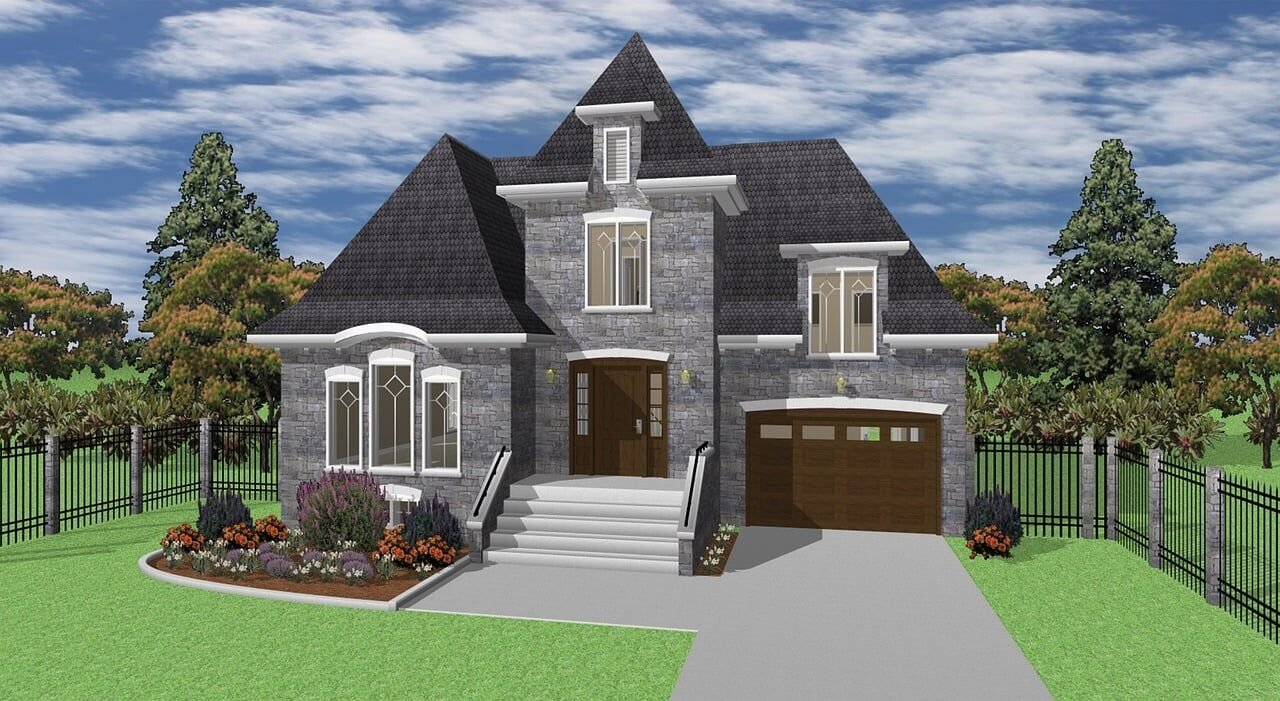
EcoSky @ Taman Wahyu is a mixed-use condominium development located along Jalan Ipoh, in the northern corridor of Kuala Lumpur. In this review, we will look at EcoSky’s location, layout types, facilities, pricing, and how it compares with other popular KL areas like KLCC, Mont Kiara, Bangsar, Cheras, Setapak, and Desa ParkCity. The focus is on practical considerations for own-stay buyers, investors, and tenants who are evaluating whether this project fits their needs.
By the end of this article, you will understand EcoSky’s current price range in RM, typical rental rates, tenant demand patterns, and its strengths and weaknesses as an investment property in Kuala Lumpur. We will also examine its connectivity to the city centre, nearby MRT/LRT options, and surrounding amenities, along with realistic expectations on maintenance, capital growth, and rental yields.
Project Overview and Concept
EcoSky is a high-rise residential component within a larger mixed-use development that includes retail and commercial elements. It is located in Taman Wahyu, off Jalan Ipoh, a maturing corridor about 8–9 km from central Kuala Lumpur and the KLCC area. The built-up sizes range roughly from compact 800+ sq ft units up to larger family-oriented layouts above 1,500 sq ft, depending on the block and configuration.
The project is designed to attract both upgraders from nearby mature neighbourhoods and younger professionals who want to stay relatively close to the city at a lower entry price than KLCC, Bangsar, or Mont Kiara. The development density is moderate for a KL condo, with a combination of residential towers set above a retail podium, providing some convenience for daily needs.
Location Analysis: Taman Wahyu / Jalan Ipoh Corridor
EcoSky sits along the established Jalan Ipoh stretch, which links directly towards the KL city centre on one side and Kepong/Selayang on the other. From here, driving to KLCC typically takes about 15–25 minutes in normal traffic, although peak-hour congestion along Jalan Ipoh and at major junctions can extend travel time significantly. Compared with central KL, the area has a more local, neighbourhood feel, with older shops and residential pockets.
Access to other Kuala Lumpur hotspots like Mont Kiara and Desa ParkCity is relatively straightforward via Jalan Kuching, Duke, and other connecting roads, usually 15–25 minutes by car depending on traffic. Reaching Bangsar often requires passing through central KL or using the main highways, which may take around 20–35 minutes. Cheras and Setapak are accessible but less direct; Setapak is closer via Jalan Pahang, while Cheras usually involves crossing the city or using the MRR2.
Public Transport and Highway Connectivity
From a connectivity standpoint, EcoSky’s main advantage is its access to major arterial roads and proximity to rail stations. Jalan Ipoh is a well-known route, but it is also known for traffic bottlenecks during rush hours, which residents must factor into daily commuting plans. On the highway side, the development has relatively convenient access to the Duta–Ulu Klang Expressway (DUKE) and Jalan Kuching, enhancing east–west and north–south connectivity around Kuala Lumpur.
In terms of rail, Taman Wahyu KTM station is one of the nearest significant public transport options, providing a link to KL Sentral and onwards to LRT/MRT connections. However, KTM commuter services are generally less frequent and less predictable than MRT/LRT, which affects daily convenience for non-drivers. Bus services along Jalan Ipoh add some flexibility, but for many residents, EcoSky is still more car-oriented compared with areas directly served by MRT/LRT like certain parts of Cheras or the new MRT2 corridors.
Surrounding Amenities and Liveability
EcoSky benefits from the basic amenities of a mature neighbourhood: eateries, hardware shops, local grocers, and small commercial strips are all within short driving distance. The on-site or adjacent retail components provide additional convenience, often including minimarts, cafes, and service outlets. This reduces the need for long drives for daily essentials, though variety and upscale options are more limited compared with Bangsar or Mont Kiara.
For larger shopping and leisure needs, residents typically drive to malls in Kepong, Jalan Kuching, or Desa ParkCity. Desa ParkCity’s retail and F&B scene, for instance, is reachable by car and offers a more lifestyle-oriented environment, but it is not within walking distance. Compared to Setapak, which has strong student and working professional demand due to various colleges and nearby shopping malls, EcoSky’s immediate surroundings are more conventional and less youthful in vibe.
Schools, Offices, and Daily Convenience
The Taman Wahyu/Jalan Ipoh area has access to various public schools and some private learning centres scattered around the wider catchment. However, for top-tier international schools, families usually look towards Mont Kiara, Desa ParkCity, or other dedicated education hubs, meaning daily school runs can involve longer commutes. This is an important consideration for family buyers prioritising education convenience.
Office-wise, many residents will likely commute to central Kuala Lumpur, Damansara, or other employment nodes. EcoSky is not directly within an office hub like KLCC or Bangsar South, so its tenant pool is generally made up of those who accept a bit of travel in exchange for more affordable rent and larger space. For own-stay buyers, this trade-off between distance and affordability can be reasonable, especially for those with flexible working arrangements.
“In Kuala Lumpur’s condo market, tenant demand and surrounding amenities often matter more than the building itself.”
Unit Types, Layouts, and Liveability
EcoSky offers a range of unit sizes that cater to both smaller households and larger families. Typical smaller units around the 800–1,000 sq ft range often come with 2 bedrooms and 2 bathrooms, suitable for young couples or small families. Larger units extending beyond 1,200 sq ft provide 3 bedrooms, sometimes with an additional utility space, catering to family upgraders from older landed homes in nearby areas.
The layouts are generally practical, with standard rectangular living spaces and balconies. As with many modern high-rises in Kuala Lumpur, some units may face the main road, which could mean traffic noise, while others enjoy more internal or distant views. Buyers should pay close attention to orientation, noise exposure, and proximity to facilities like pool decks, which can influence long-term comfort.
Facilities and Maintenance Considerations
EcoSky’s facilities align with typical mid- to upper-mid segment Kuala Lumpur condominiums: swimming pool, gym, function rooms, landscaped areas, and children’s play areas. There may also be some co-working or lounge-type spaces, depending on the tower. For many residents, the presence of on-site or adjacent retail adds convenience that pure residential condos without retail lack.
From a cost perspective, maintenance fees and sinking fund contributions are a key consideration, especially in a relatively facility-rich development. While exact figures vary by block and unit size, buyers should budget for per-square-foot charges that are comparable to other mixed-use condos around the city. Over time, maintaining large common areas, pools, and landscaping can put pressure on the management committee if occupancy rates or fee collection are not strong, so it is worth checking the current state of management and sinking fund reserves.
Price, Rental Market, and Investment Potential
EcoSky’s main comparative advantage is that its entry price per square foot is generally lower than prime KLCC, Bangsar, and Mont Kiara condominiums, while still being within reasonable distance of the city centre. Transactions in this area often fall into the mid-range bracket for Kuala Lumpur high-rises, making it appealing to buyers priced out of more premium neighbourhoods. However, the trade-off is that its address does not command the same prestige or long-term capital appreciation drivers as those hotspots.
On the rental side, EcoSky competes with other high-density condos in the wider Jalan Ipoh, Kepong, and Setapak belts. Tenants are usually working adults and small families seeking value and space rather than brand recognition. Rental yields can be acceptable if entry prices are reasonable and units are well-presented, but landlords should not expect the same rent premiums as in Mont Kiara, Desa ParkCity, or city-centre projects that attract expatriates.
Illustrative Market Metrics
The table below provides a simplified estimate of the kind of numbers investors might consider when evaluating EcoSky. These are indicative only and will vary by unit size, level, furnishing, and market cycle.
| Metric | Estimate | Insight |
|---|---|---|
| Typical transacted price (mid-size unit) | RM500,000 – RM650,000 | Mid-range entry point compared with central Kuala Lumpur condos. |
| Estimated rent (partly/fully furnished) | RM1,800 – RM2,400 per month | Targets local working professionals and small families. |
| Gross rental yield (rough range) | ~3.5% – 4.5% | Reasonable for own-stay plus investment, but not high-yield. |
| Estimated maintenance + sinking fund | RM0.35 – RM0.45 per sq ft | Must be factored into net yield and long-term holding cost. |
| Distance to KLCC (by car) | Approx. 8–9 km | City fringe location with commute subject to traffic conditions. |
These figures suggest that EcoSky is more suited to buyers looking for a balance between own-stay comfort and moderate rental returns, rather than pure investors chasing maximum yield. Capital appreciation is likely to be steady but not spectacular, closely tied to improvements in the wider Jalan Ipoh corridor, public transport upgrades, and general market sentiment in Kuala Lumpur.
Comparisons with Other KL Neighbourhoods
When compared with KLCC, EcoSky positions itself as a more affordable city-fringe alternative. KLCC condos generally command higher prices and rents but also carry higher entry and holding costs. For many local buyers, the Jalan Ipoh area offers a more realistic purchase option while still keeping a reasonable commuting distance to the city centre.
Versus Mont Kiara and Desa ParkCity, EcoSky usually cannot match their international schools, premium retail offerings, or expatriate tenant base. However, those areas also come with significantly higher purchase prices, especially for newer projects. For buyers who value lifestyle positioning and community environment, Mont Kiara and Desa ParkCity still stand out, while EcoSky appeals more on affordability and space.
Against Cheras and Setapak, EcoSky is somewhat competitive. Cheras benefits from extensive MRT coverage and established malls, while Setapak has strong rental demand from students and young workers. EcoSky’s rail connectivity is less direct than Cheras MRT-linked condos, but its broader accessibility via highways and its position along Jalan Ipoh still make it viable for those who drive.
Who Is EcoSky Most Suitable For?
Not every Kuala Lumpur condo suits every type of buyer. EcoSky has a clearer fit with certain profiles based on its location, pricing, and product type.
- Young professionals and couples who work in central KL or nearby and want a mid-range condo with facilities without paying KLCC or Mont Kiara prices.
- Family upgraders from nearby landed or older apartments looking for security, facilities, and a more modern living environment in the same general area.
- Investors seeking balanced risk who are comfortable with moderate yields and stable demand from local tenants rather than premium expatriate markets.
- Owners who drive regularly and can accept Jalan Ipoh traffic, while appreciating the convenience of major highways and proximity to central Kuala Lumpur.
It may be less suitable for buyers who rely heavily on MRT/LRT connectivity right at their doorstep or those who prioritise top-tier international schools and high-end retail within walking distance, as found in some Bangsar, Mont Kiara, or Desa ParkCity developments.
Risks and Drawbacks to Consider
One of the main concerns for EcoSky is traffic along Jalan Ipoh, especially during peak hours. Commuters may face congestion both entering and exiting the development, and this can affect daily quality of life. While highway connectivity is strong, the last-mile road network is an unavoidable factor.
Another consideration is competition from other high-rise projects around Kuala Lumpur and within the broader northern corridor. Newer launches in Setapak, Kepong, or along emerging MRT lines can draw tenant and buyer interest away, especially if they offer better transit connectivity. Owners should be prepared for rental competition and be realistic about achievable rents and occupancy rates.
Lastly, as a relatively large mixed-use project, the long-term performance of EcoSky depends on effective building management, stable maintenance collections, and continual upkeep of facilities. Poor management can impact both capital values and rentability, so prospective buyers should observe the current state of common areas and talk to existing residents where possible.
Overall Assessment: Is EcoSky a Good Buy?
EcoSky @ Taman Wahyu offers a practical middle-ground option in the Kuala Lumpur condo landscape. Its key strengths are reasonable pricing relative to distance from KLCC, decent facilities, and the convenience of a mixed-use environment with retail components. For own-stay buyers who prioritise value and space over prestige address, it can be a rational choice.
From an investment perspective, EcoSky is more of a steady, moderate-return asset rather than a speculative high-growth play. Investors who enter at sensible prices, furnish their units well, and target local working professionals can achieve acceptable yields, but expectations should remain grounded. As always, individual unit selection, price negotiation, and exit strategy will significantly influence actual outcomes.
Frequently Asked Questions (FAQ)
1. How is the rental potential for EcoSky compared with other Kuala Lumpur condos?
EcoSky’s rental potential is moderate, driven mainly by local working professionals and small families who value proximity to central KL at a lower rent than KLCC, Bangsar, or Mont Kiara. It does not command premium expatriate rents, but demand is relatively stable so long as units are competitively priced and well-maintained. Landlords should benchmark against similar condos along Jalan Ipoh, Kepong, and Setapak when setting rental expectations.
2. Is EcoSky suitable as a long-term investment?
EcoSky is generally more suitable for investors who are comfortable with steady, mid-range rental yields and gradual capital appreciation. It is not typically seen as a speculative hotspot, but rather as a practical, income-generating property with the added option for own-stay. Long-term performance will depend on overall Kuala Lumpur condo supply, improvements to the surrounding infrastructure, and the quality of ongoing building management.
3. What should I consider regarding maintenance and management?
Buyers should pay attention to the current maintenance fee structure, sinking fund health, and the visible condition of common facilities. As a high-rise with sizable facilities, maintenance costs can add up, affecting net rental returns and affordability for owner-occupiers. Observing cleanliness, security, lift performance, and feedback from existing residents will provide useful insight into management effectiveness.
4. How does EcoSky’s location compare in terms of accessibility?
EcoSky is well-connected by major roads and highways, making it accessible by car to KLCC, Mont Kiara, Desa ParkCity, and other parts of Kuala Lumpur within a reasonable travel time outside peak hours. However, it is less convenient for those who rely heavily on MRT/LRT, as it does not sit directly on an MRT line like some Cheras projects. Daily commuters must factor in Jalan Ipoh’s congestion as a trade-off for the project’s relatively central city-fringe location.
5. Who are the typical tenants and residents at EcoSky?
Typical residents include local young professionals, small families, and upgraders from surrounding areas such as Taman Wahyu, Kepong, and Sentul. The tenant base is more local-centric compared with expatriate-focused areas like Mont Kiara or parts of Bangsar. This means expectations around furnishing standards and rental budgets should be calibrated to the local market rather than to high-end international standards.
This article is for educational and market understanding purposes only and does not constitute financial, property, or
investment advice.