
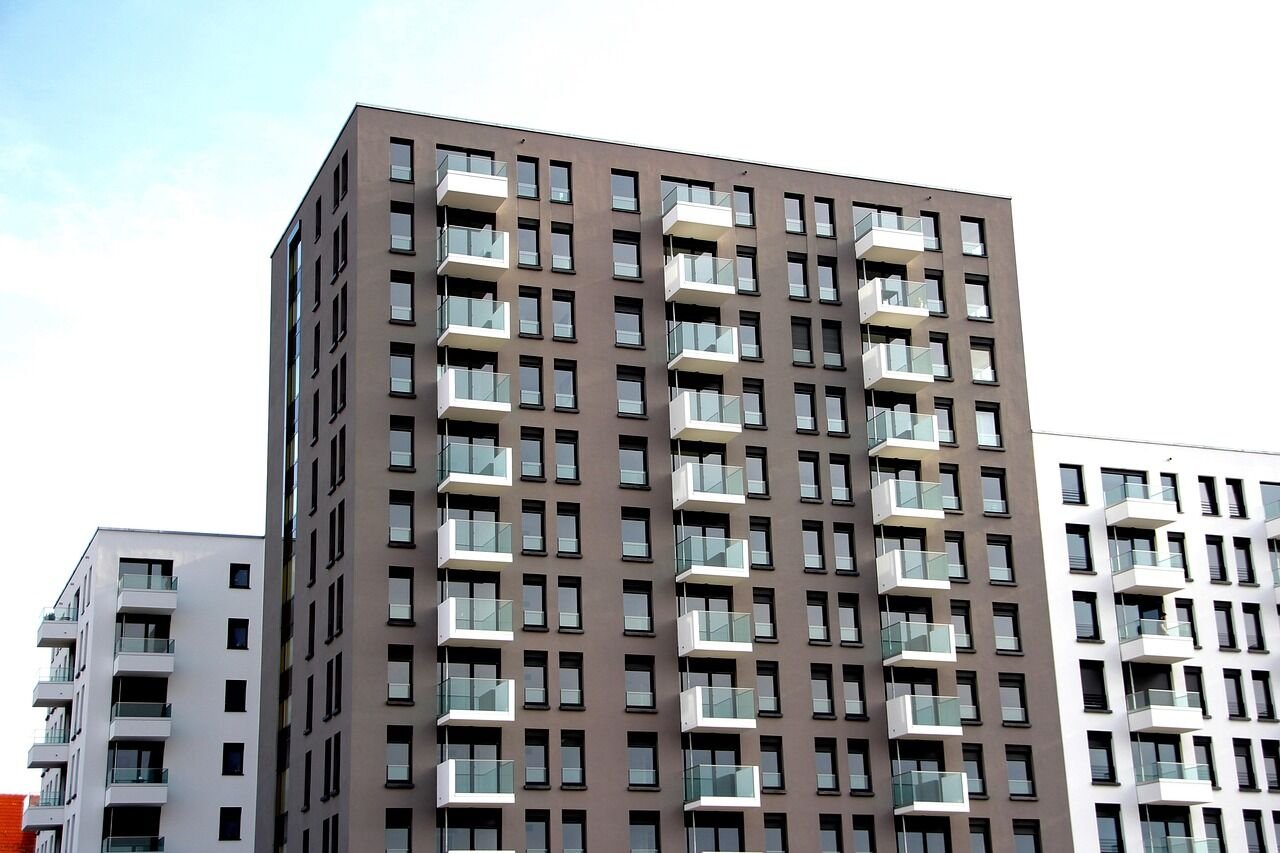
Area Guide to Mont Kiara, Kuala Lumpur
Mont Kiara is one of Kuala Lumpur’s most established condominium neighbourhoods, well known for its high-rise skyline, international schools, and expatriate community. It sits just northwest of the city centre, between Damansara Heights, Sri Hartamas, and Segambut, and is easily recognisable from the highway by its cluster of tall condo towers. For many Kuala Lumpur residents, Mont Kiara is almost synonymous with condo living, lifestyle malls, and gated convenience.
For readers of KLCondo.com.my considering where to live or invest, Mont Kiara is a useful benchmark. It is more mature and international than Setapak or Cheras, more family-focused than KLCC, and less nightlife-centric than Bangsar. Understanding how Mont Kiara works—from traffic and schools to rental yields and tenant profiles—helps you decide whether this “vertical suburb” fits your lifestyle or investment strategy.
“In Kuala Lumpur, choosing the right neighbourhood often matters as much as choosing the right property.”
Overview: What Kind of Area Is Mont Kiara?
Mont Kiara is a master-planned residential enclave dominated by condominiums, serviced residences, and a few office towers. Landed homes exist on the fringes, but the core identity is high-density, high-rise living with guarded entrances and shared facilities. Most streets are lined with condo entrances, small neighbourhood malls, international schools, and rows of cafés and restaurants.
The area has a strong international flavour, with a significant Japanese, Korean, European, and Middle Eastern presence. As a result, many amenities cater specifically to expatriate families: international curricula schools, language centres, imported grocers, and specialist clinics. Compared with more “local” suburbs like Cheras, Mont Kiara feels more curated and less chaotic, but also more expensive.
Accessibility and Connectivity
Mont Kiara’s main selling point from a transport perspective is highway access rather than rail. The area connects to major routes such as SPRINT Highway, Jalan Duta, DUKE, and the North-South Expressway, allowing relatively quick access to KLCC, Bangsar, Damansara, and Desa ParkCity during off-peak periods. Driving to central Kuala Lumpur can take 15–20 minutes without heavy traffic, but peak-hour congestion can easily push that to 30–45 minutes.
Public transport is less straightforward. There is no MRT or LRT station within the core of Mont Kiara itself. Residents usually rely on feeder buses, e-hailing, or driving to nearby stations such as Semantan MRT (towards Damansara Heights) or the KTM Segambut station. This is an important consideration for tenants without cars, especially compared with better-connected areas like Cheras or KLCC.
Internally, Mont Kiara has a loop of main roads—Jalan Kiara and Jalan Kiara 3/4—with multiple condo entrances feeding into them. Traffic build-up near school start and end times is common, given the density of international schools and private kindergartens. For many residents, planning daily routines around peak and off-peak periods is part of living in Mont Kiara.
Lifestyle: Day-to-Day Living in Mont Kiara
Mont Kiara is designed for convenience living. Most condos have their own pools, gyms, playgrounds, and security, while ground-level retail and F&B options are clustered around smaller neighbourhood malls and commercial complexes. The area has several familiar landmarks: 1 Mont Kiara, Solaris Mont Kiara, Solaris Dutamas (Publika), and Plaza Mont Kiara.
Food options range from casual cafés and Korean barbecue joints to Japanese restaurants and Western bistros. Nightlife is present but relatively contained, mostly around Solaris Mont Kiara and Publika, and is less intense than Bangsar’s Telawi or KLCC’s bar scene. Many residents describe Mont Kiara’s lifestyle as “suburban but vertical” — family-friendly facilities, with most daily needs within a 5–10 minute drive or walk, depending on where you live.
Parks and open spaces are more limited compared with greener suburbs like Desa ParkCity. Some condos have extensive landscaped grounds, jogging tracks, and larger pools, effectively providing “private parks” for residents. For dog owners, Mont Kiara is moderately pet-friendly; many condos accept pets, but bylaws vary. Actual public green spaces are fewer, so those who prioritise lakeside jogging or larger parks may still prefer Desa ParkCity.
Who Is Mont Kiara Suitable For?
- Expatriate families wanting to be close to international schools and a familiar, English-friendly environment.
- Local professionals and couples working in KL city centre, Damansara, or Bangsar who want condo facilities and an urban lifestyle.
- Investors targeting mid- to upper-range rental markets, especially expat tenants and higher-income local tenants.
- Families preferring security and facilities (pools, playgrounds, gyms) over landed homes with private gardens.
- Owners who value convenience—being able to access grocers, cafés, clinics, and childcare within a short distance.
Mont Kiara may be less suitable for those heavily reliant on rail-based public transport, buyers on a tighter budget, or residents who prefer more traditional, landed neighbourhoods with larger public parks.
Property Landscape: Types of Condos and Developments
The Mont Kiara skyline is made up almost entirely of condominiums and serviced residences, ranging from older, larger-built units to newer, smaller-layout projects. Unit sizes span from compact studios of around 500–600 sq ft to family-sized apartments above 1,500–2,000 sq ft. Many developments position themselves as “resort-style” with multiple pools, tennis courts, and landscaped gardens.
Older projects often offer more spacious layouts at a lower price per square foot but may have dated interiors and higher maintenance requirements. Newer projects focus on modern finishes, smaller units, and lifestyle branding, sometimes with higher density. Compared with KLCC, Mont Kiara’s condos generally emphasise liveability over prestige views, with more emphasis on family amenities rather than pure city-centre convenience.
Because Mont Kiara is a relatively mature high-rise market, there is a wide price spectrum. Luxury developments, mid-market condos, and older, more affordable blocks coexist within a short distance. This variation creates opportunities for different buyer profiles but also requires careful project-level research to understand each building’s management quality and tenant mix.
Rental Demand and Tenant Profiles
Mont Kiara has one of the strongest and most consistent rental markets in Kuala Lumpur due to its international schools and expatriate presence. Many families rent rather than buy, especially those on fixed-term employment contracts. This supports steady demand for 2–4 bedroom family units, particularly those within walking or short driving distance of schools and malls.
Tenant profiles are diverse: expatriate teachers, corporate assignees, embassy staff, and increasingly, higher-income local professionals. Some developments also attract single professionals or couples who share units to manage living costs. Studios and one-bedroom units cater more to singles and couples, while larger three- and four-bedroom units are popular with families.
Rental rates can vary significantly between older and newer projects, as well as between locations close to key amenities and quieter corners of Mont Kiara. As with any Kuala Lumpur condo market, units that are well-maintained, fully furnished, and realistically priced tend to secure tenants more quickly, while over-optimistic asking rents can lead to extended vacancies.
Buying vs Renting in Mont Kiara
For occupiers, the buy-versus-rent decision in Mont Kiara often comes down to lifestyle stability and financial horizon. Renting offers flexibility, especially for those unsure how long they will stay in Kuala Lumpur, while buying may make sense for long-term residents or those who foresee stable employment nearby. Given the depth of the rental market, tenants usually have multiple options to compare before deciding.
From an investment perspective, Mont Kiara is more of a stability and cashflow play rather than a hotspot for aggressive capital appreciation in 2026. The area is mature and has a steady pipeline of new projects over the past two decades, which moderates price spikes. Investors tend to focus on securing reliable tenants at sustainable rental yields, often in the 3–5% range depending on entry price, furnishing, and project.
Compared with emerging pockets in Setapak or outer Cheras, entry prices in Mont Kiara are generally higher, but so is rental depth, especially in the expatriate segment. Against ultra-prime KLCC, Mont Kiara often offers larger family-sized units at a lower price per square foot, but without the same city-centre location premium. Buyers need to align expectations accordingly.
Key Factors Influencing Liveability and Investment
| factor | observation | impact |
|---|---|---|
| Accessibility | Strong highway links, weaker rail connectivity | Convenient for drivers, less ideal for those relying on MRT/LRT |
| Tenant base | Large expatriate and professional community | Supports stable rental demand, but sensitive to economic cycles and corporate hiring |
| Project maturity | Mix of older spacious condos and newer high-density projects | Wide price range; older units may yield better value if well-maintained |
| Amenities | Multiple malls, schools, clinics, and F&B options nearby | High convenience and lifestyle appeal for families and professionals |
| Competition | Many similar condos targeting similar tenant segments | Requires competitive pricing and good unit condition to minimise vacancy |
Comparing Mont Kiara with Other Kuala Lumpur Areas
Against KLCC, Mont Kiara offers a more residential feel and larger units at similar or lower overall budgets, but without walking access to the city’s core office and retail towers. Those who work in KLCC may choose Mont Kiara for quieter evenings and family-focused living, accepting a daily commute. On the other hand, city-centric professionals who prioritise walkability and nightlife may lean towards living directly in KLCC or its fringes.
Compared to Bangsar, Mont Kiara is more purpose-built and condo-heavy, with fewer landed homes and traditional shoplots. Bangsar has an older, mixed fabric with stronger nightlife and more “old KL” character. Mont Kiara feels more planned and international, with a higher concentration of high-rise security-guarded developments and less street-level bustle.
When measured against family-focused suburbs like Desa ParkCity, Mont Kiara has more high-rise choice and often slightly lower per-square-foot pricing for certain segments, but fewer integrated park and lake features. Desa ParkCity is tightly designed around open spaces and pet-friendly walking loops, while Mont Kiara relies more on each condo’s internal facilities plus short drives to nearby lifestyle hubs like Publika.
Practical Considerations Before Choosing Mont Kiara
Prospective residents and investors should pay attention to traffic patterns, particularly if commuting to Kuala Lumpur city centre, Petaling Jaya, or Damansara. Visiting at different times of day gives a more realistic impression than relying solely on maps. Also consider proximity to your specific workplace or school, as internal Mont Kiara traffic can extend short distances into 10–15 minute drives during peak hours.
It is also important to assess condo management and maintenance standards. In high-rise markets like Mont Kiara, building upkeep, sinking fund health, and security practices significantly influence both liveability and long-term value. Two projects with similar locations and unit sizes can perform very differently depending on their management quality and resident profile.
Finally, buyers and landlords should benchmark actual recent transaction and rental data rather than relying on asking prices alone. In a competitive Kuala Lumpur condo landscape, realistic pricing and well-presented units (clean, functional, and neutrally furnished) usually make the difference between frequent tenant turnover and more stable occupancy.
FAQs About Living and Investing in Mont Kiara
Is Mont Kiara expensive compared to other Kuala Lumpur neighbourhoods?
Mont Kiara generally sits in the mid- to upper-tier price band for Kuala Lumpur, above areas like Setapak or Cheras but often comparable to or slightly below prime KLCC prices for similar built-up sizes. Older condos can offer more attractive RM per sq ft pricing, while newer, lifestyle-branded projects command higher rates. Overall monthly outlay also depends on maintenance fees, which can be higher in facilities-heavy developments.
How strong is rental demand in Mont Kiara in 2026?
Rental demand in Mont Kiara remains relatively strong, supported by international schools, multinational companies, and professional tenants. However, competition among condos means landlords must be realistic about rental rates and ensure units are in good condition. Well-located projects near schools and lifestyle hubs typically see more consistent enquiries.
Is Mont Kiara suitable for own stay if I work in KLCC or Damansara?
Mont Kiara can work for own stay if you are comfortable with a daily commute via highways. Many professionals choose it as a base because of its facilities, schools, and lifestyle, even if they work in KLCC, Damansara Heights, or Bangsar. The main trade-off is traffic during peak hours, so it suits those who can adjust working hours or accept highway commuting as part of their routine.
Are there more families or singles living in Mont Kiara?
The resident mix leans towards families, both local and expatriate, due to the international schools and presence of larger, family-friendly units. That said, there is still a significant number of single professionals and couples, especially in smaller units and serviced residences. The exact mix varies from project to project, so visiting different condos helps you gauge the atmosphere that suits you.
Is Mont Kiara a good choice for long-term property investment?
Mont Kiara is often viewed as a relatively stable, income-focused market rather than a speculative hotspot. Its established tenant base and amenities support consistent occupancy, but long-term capital gains may be moderate due to the area’s maturity and supply. Investors who prioritise sustainable rental demand, good building management, and realistic yield expectations may find it suitable, provided they select the right project and entry price.
This article is for educational and market understanding purposes only and does not constitute financial, property, or investment advice.
