
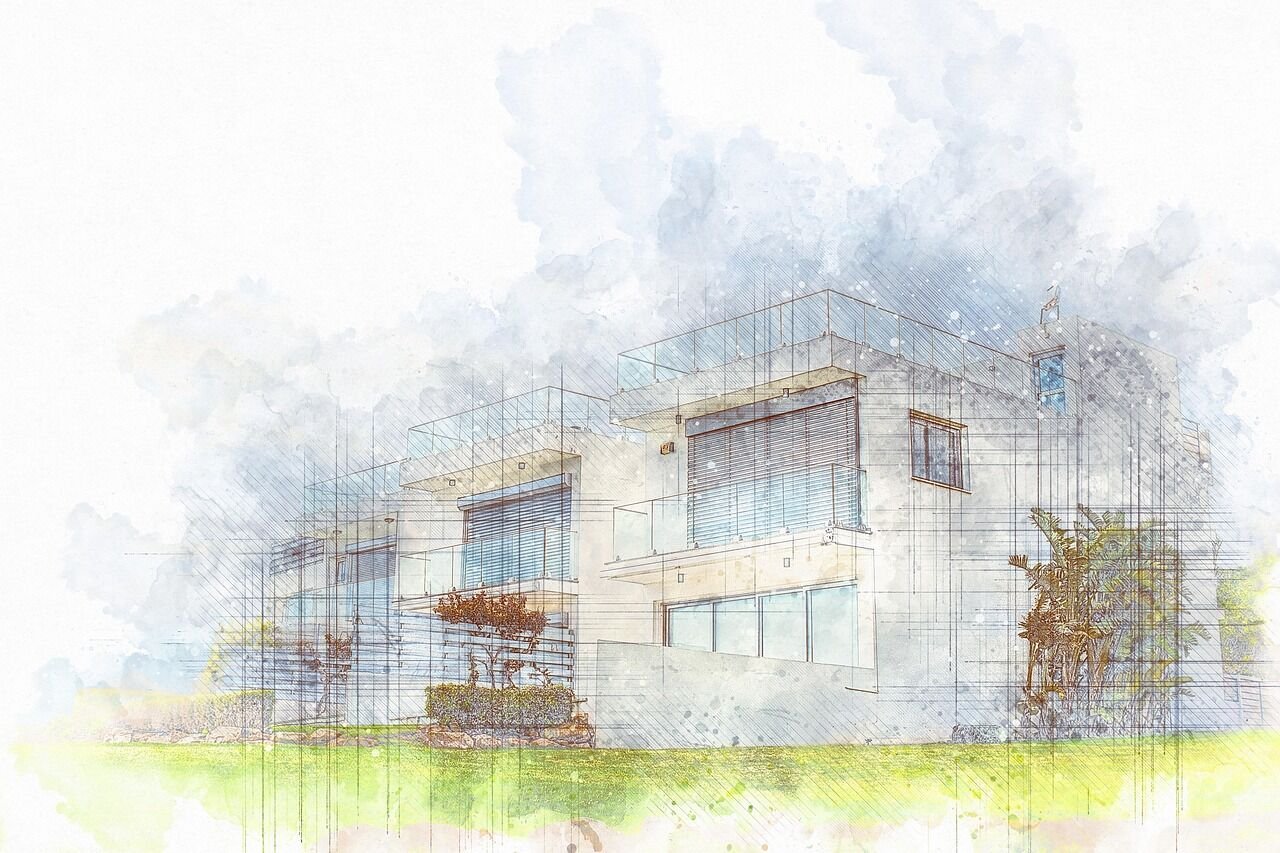
Smart Eco-Living in KL and Selangor: Practical Upgrades for Condos and Terrace Houses
Urban living in Kuala Lumpur and Selangor is changing fast. Electricity tariffs are rising, more people are buying EVs, and green-certified buildings are becoming a selling point for both condos and terrace houses. Many young professionals and environmentally conscious homeowners are now looking for smarter ways to live comfortably while keeping bills under control.
This article explores practical eco-friendly and smart-living upgrades that fit real Malaysian city lifestyles. Whether you stay in a 700 sq ft condo in KL city or a terrace house in Petaling Jaya, these ideas can help you reduce energy use, lower costs, and create a more convenient, sustainable home.
“Sustainable living in urban Malaysia is no longer only about environmental awareness — many homeowners now focus equally on reducing long-term living costs.”
Why Smart Eco-Living Matters in Kuala Lumpur and Selangor
Electricity costs in urban Malaysia have been steadily increasing, and many KL households feel it most when using air conditioning. In small condos, a few hours of air-cond a day can already add a noticeable amount to the TNB bill. In larger terrace houses, multiple units running for long periods can be even more expensive.
At the same time, KL and Selangor are seeing more EV ownership and stronger interest in green-certified buildings. Newer developments highlight energy-efficient features, but many existing condos and landed homes still rely on older, less efficient systems. That means there is a lot of room for practical upgrades that pay off over time.
Understanding Smart Eco-Living for Urban Homes
Smart eco-living is about using technology and better habits to reduce waste, not about living uncomfortably or buying every new gadget. In a KL context, this usually involves three main goals: lower electricity use, smarter cooling, and better control over lighting and appliances.
Instead of just turning things off and “tahan panas”, smart eco-living uses timers, sensors, and efficient devices to maintain comfort with less energy. For condos with limited space and no roof access, small changes in behaviour and appliances can be powerful. For terrace houses, there are more opportunities, such as solar water heaters and rooftop solar.
Core Energy-Saving Strategies for KL Condos
Most condo residents in Kuala Lumpur and Selangor have similar challenges: no control over the building’s overall design, limited space for big systems, and strict management rules. Still, there are several upgrades that work well in high-rise living.
1. Smarter Air-Conditioning Use
Air-conditioning is usually the biggest part of an urban electricity bill. In a typical KL condo, running a 1.5 hp air-cond 8 hours a day can easily add more than RM100 monthly, depending on your tariff and settings. Reducing just 2–3 hours of active cooling daily can give meaningful savings.
Consider these steps:
- Use inverter air-cond units (4-star or 5-star energy rating) when it is time to replace old ones.
- Set temperature to 24–26°C instead of 18–20°C; every degree higher can save energy.
- Add a smart or Wi-Fi-enabled plug/thermostat to schedule cooling before you arrive home, avoiding full-power blasts later.
- Clean filters regularly to keep units running efficiently.
Simple automation like turning the air-cond off automatically after you fall asleep can cut night-time usage without sacrificing comfort.
2. LED Lighting and Smart Controls
Lighting might seem minor, but in condos with many downlights, it adds up. Replacing halogen or CFL bulbs with LEDs reduces both electricity use and heat in your unit, which indirectly eases your air-cond load.
Adding simple smart controls, like motion sensors in corridors or bathrooms, stops lights from being left on. Timers for balcony and foyer lights are also useful in KL high-rises where windows face common areas or busy streets.
3. Efficient Appliances for Compact Spaces
For small kitchens and laundry corners, look for inverter refrigerators and front-load washing machines. These units tend to be more efficient and gentler on clothes, helping them last longer.
Choosing energy-efficient appliances is often a one-time decision that brings quiet, long-term savings without needing daily effort.
Opportunities for Terrace Houses in KL and Selangor
Terrace houses have more flexibility compared to condos. Owners can usually modify roofs, external walls, and car porches, which opens the door to solar, better insulation, and EV charging setups.
1. Solar Water Heaters and Basic Rooftop Solar
Solar water heaters can be practical for terrace houses with families who use hot water regularly. While condos rely mostly on instant heaters, landed homes can consider roof-mounted tanks that store heated water using the sun’s energy.
Basic rooftop solar systems (photovoltaic or PV) are becoming more common in suburbs like Subang Jaya, Shah Alam, and Cheras. These systems help offset daytime electricity use, especially if someone is home during the day or if you run home offices and multiple devices.
2. Better Insulation and Passive Cooling
Many older terrace houses in the Klang Valley have poor insulation, leading to very hot top floors. Simple upgrades like reflective roofing sheets, roof insulation blankets, or ventilated roof spaces can noticeably lower indoor temperatures.
Every degree of natural cooling you achieve can reduce how long you need to run the air-cond, especially during late afternoons.
3. EV Charging at Home
EV ownership is growing rapidly in KL and Selangor, especially among young professionals who commute from suburban terrace houses into the city. Having a porch or driveway makes home charging much easier compared to high-rise living.
A dedicated wall charger (instead of just a 3-pin plug) can safely support regular overnight charging. This setup usually requires electrical upgrades and proper earthing, but once in place, it turns your home into your main “fuel station”.
Cost vs Benefit: Common Smart Eco Upgrades
The table below gives a rough idea of costs and potential benefits for common upgrades in KL and Selangor homes. These are broad estimates; actual prices depend on brand, capacity, installer, and your home type.
| Solution | Estimated Cost (RM) | Potential Benefit |
|---|---|---|
| LED lighting upgrade (condo unit) | 300–700 | Lower lighting usage by 50–80%, less heat in unit |
| Smart plugs + timers (3–5 units) | 150–400 | Cut standby power and unnecessary run time for devices |
| Inverter air-cond replacement (1 room) | 1,200–2,500 | Reduced cooling cost for that room, better temperature control |
| Solar water heater (terrace house) | 3,000–6,000 | Lower electric/gas water heating costs over many years |
| Small rooftop solar PV (3–4 kW) | 12,000–20,000 | Offset part of monthly TNB bill, especially daytime usage |
| EV home wall charger (terrace house) | 2,000–5,000 | Convenient overnight charging, better long-term EV usage |
The main idea is not to do everything at once, but to choose upgrades that match your lifestyle and budget while offering multi-year savings.
Smart Home Automation: Practical Use Cases in KL Households
Smart home devices are most useful when they solve everyday problems, not when they are just “cool tech”. In Kuala Lumpur and Selangor, a few simple automations can make a big difference in both comfort and efficiency.
1. Scheduling High-Usage Devices
Use smart plugs to schedule water filters, decorative lighting, or even routers to turn off when not needed. For example, turning off a 100W device for 8 hours every night can reduce monthly consumption without you noticing any difference in comfort.
Some families also schedule washing machines to run in the early morning when the home is cooler, then hang clothes to air dry, reducing reliance on dryers.
2. Presence-Based Cooling and Lighting
Motion sensors in living rooms and bathrooms can turn lights on only when occupied. For air-cond in bedrooms, pairing with door sensors or presence detection helps ensure units are not left running in empty rooms.
These small automations give peace of mind, especially for busy young professionals frequently in and out of the home.
3. Monitoring Energy Use
Energy monitoring plugs or smart distribution boards can show which appliances consume the most electricity. Over time, this information can guide better decisions, such as which old fridge to replace first, or whether you are overusing electric water heaters.
Condos with limited ability to install new systems can still benefit from this insight-driven approach, as it focuses on behaviour and appliance efficiency rather than major construction work.
EVs and Condos in Kuala Lumpur: A Growing Challenge
As more KL and Selangor residents buy EVs, the gap between landed and high-rise charging convenience is becoming clearer. Many new high-end condos are starting to provide EV charging bays, but a large number of existing developments still do not support it well.
Shared charging stations in condo car parks face several issues: limited bays, queuing, billing complexity, and enforcement of parking rules. For older buildings, electrical capacity may also be a constraint, making it hard to add many chargers without upgrading the entire system.
This is one reason green-certified and EV-ready buildings are increasingly in demand, especially for environmentally conscious homeowners planning to keep their properties long-term.
Smart Eco-Living Upgrades Checklist
If you are wondering where to start, this simple checklist may help you prioritise:
- Replace old, high-wattage bulbs with LEDs throughout your home.
- Install at least a few smart plugs for high-usage devices and schedule them.
- Service and clean air-cond units regularly; consider upgrading to inverter models when due.
- Set air-cond to 24–26°C and use fans to circulate cool air.
- Use natural ventilation whenever evening temperatures allow, especially in terrace houses.
- Consider solar water heating or rooftop solar if you own a landed home and plan to stay long-term.
- For EV owners in condos, explore whether your management has a roadmap for shared chargers or EV-ready upgrades.
The most effective approach is to mix low-cost quick wins (like LEDs and timers) with one or two long-term investments (like inverter air-cond or solar) based on your budget.
FAQs: Smart & Eco-Friendly Living in KL and Selangor
1. Are solar panels really worth it in Malaysia?
Solar panels can be worth it, especially for terrace houses with good roof exposure and stable, long-term plans to stay put. Malaysia’s climate gives strong sunlight throughout the year, and solar PV systems can offset a meaningful portion of daytime electricity use.
However, the upfront cost is significant, and payback depends on your usage, tariff, and system size. For many households, solar becomes more attractive when combined with broader sustainability goals and the expectation of future electricity price increases.
2. Can condos support EV charging?
Technically, many condos can support some EV charging, but practical and regulatory issues often slow progress. Management bodies must balance electrical capacity, safety, parking policies, and fair billing among residents.
Newer or green-focused developments in Kuala Lumpur are more likely to have dedicated EV bays and a plan to expand capacity. For older high-rises, residents may need to work with the Joint Management Body (JMB) or Management Corporation (MC) to explore shared chargers or phased upgrades.
3. How much electricity can smart devices actually save?
Smart devices themselves do not automatically save huge amounts of electricity; the savings come from how they are used. Timers, presence sensors, and smart plugs can help cut wasteful usage that people often forget about, such as devices left on standby or air-cond running in empty rooms.
For a typical KL condo, combining LEDs, better air-cond control, and smart scheduling can realistically trim a noticeable percentage off the monthly bill over time, especially for households that previously left things running unnecessarily.
4. Are eco-friendly upgrades very expensive?
Some bigger upgrades like rooftop solar or full smart-home systems can be expensive upfront, but many smaller eco-friendly steps are quite affordable. LED bulbs, smart plugs, and simple timers often cost less than a single month’s utility bill and start saving from the first day.
The key is to view these upgrades over a 3–10 year period, where the combined savings, improved comfort, and potential property value appeal align with your lifestyle goals.
Building a Future-Ready Urban Home
Kuala Lumpur and Selangor are moving steadily towards a future where green-certified buildings, EV-ready infrastructure, and energy-efficient homes are the norm. Whether you live in a compact condo or a spacious terrace house, you can already start adopting elements of that future today.
By choosing practical, well-planned upgrades — from simple LED changes to smarter cooling and, where possible, solar or EV charging — you reduce your exposure to rising electricity costs while creating a more comfortable home. Over time, these decisions also support a more sustainable urban environment for the wider Klang Valley community.
Small eco-friendly upgrades often make a bigger difference over time than many homeowners initially expect, especially in urban households with rising utility costs.
This article is for educational and general sustainability awareness only and does not constitute professional engineering, financial, or environmental advice.
🏙️ Explore Kuala Lumpur Properties
- New Condo Projects in Kuala Lumpur
- Condo for Sale in Kuala Lumpur
- Condo for Rent in Kuala Lumpur
- Landed Homes & Shop Lots for Sale
- Browse Properties by Area
- Property Buying Guides & Tips
- Find Property Agents
- Find Homeowner Insurance Agent
📍 Browse Properties by Location
- Property in KLCC
- Property in Mont Kiara
- Property in Bangsar
- Property in Sri Hartamas
- Property in Bukit Jalil
- Property in Cheras
- Property in Setapak
- Property in Petaling Jaya
- Property in Subang Jaya
⚠️ Disclaimer
The information provided in this article is for general educational and informational purposes only. While we strive to keep property information accurate and up to date, availability, pricing, specifications, and promotions may change without prior notice.
This content should not be considered legal, financial, investment, or mortgage advice. Readers are encouraged to verify all information directly with property developers, property owners, licensed real estate agents, financial institutions, or relevant authorities before making any purchasing or rental decisions.
KLCondo.com.my is an independent property information platform and is not responsible for any losses arising from the use of information published on this website.
