
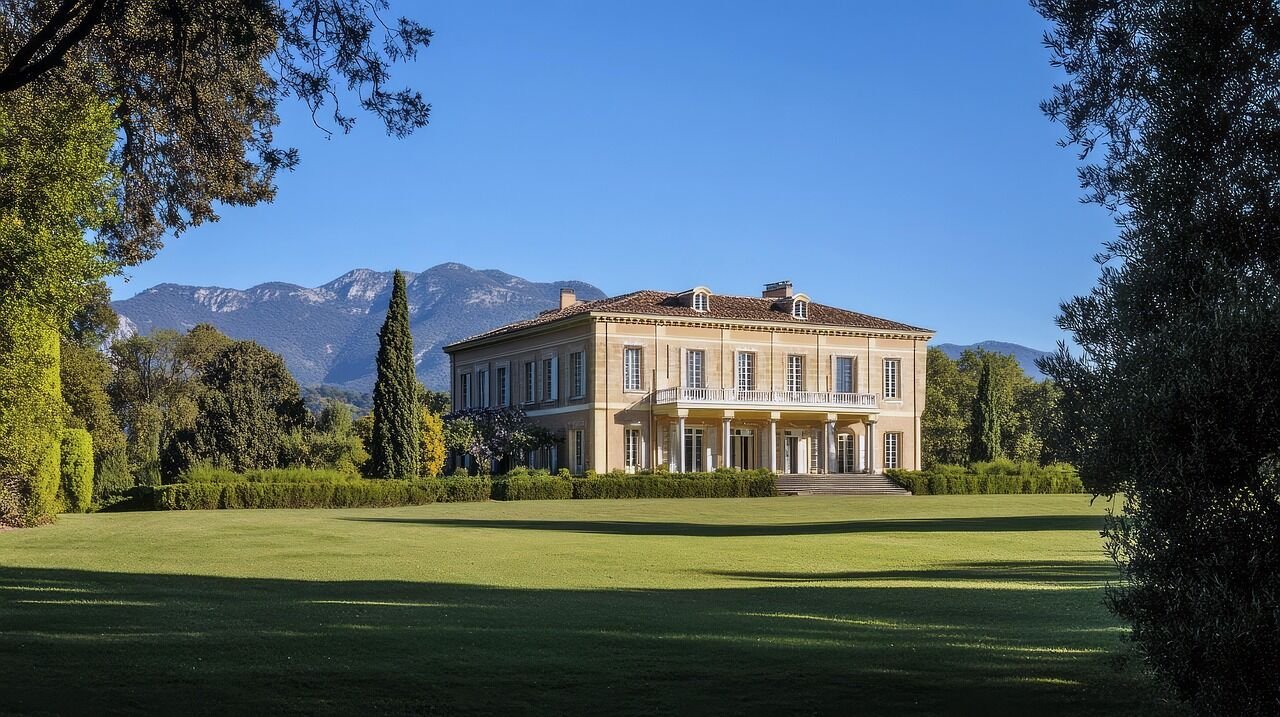
Living in Taman Tun Dr Ismail (TTDI): An In-Depth Area Guide
Taman Tun Dr Ismail, better known as TTDI, sits on the edge of Kuala Lumpur and Petaling Jaya, and has grown into one of the city’s most consistently sought-after suburban neighbourhoods. For many KL residents, TTDI represents a middle ground between dense inner-city living near KLCC and the more master-planned townships like Desa ParkCity. It combines mature landed housing streets with an increasing number of condominiums, cafés and lifestyle spots.
This guide focuses on what it is really like to live in TTDI in 2026, how the area is evolving, and what buyers and investors should know about its property market and rental demand.
“In Kuala Lumpur, choosing the right neighbourhood often matters as much as choosing the right property.”
Location, Connectivity and Access
TTDI is located northwest of central Kuala Lumpur, bordering Bandar Utama and Damansara Utama in PJ, with easy access into the city via main highways. While it does not sit next to KLCC like some city-centre condos, its appeal lies in relatively quick access to multiple parts of the Klang Valley.
The main road arteries serving TTDI are Sprint Highway, LDP, NKVE and Penchala Link. In non-peak hours, driving to KLCC usually takes about 20–25 minutes, Mont Kiara around 10–15 minutes, and Bangsar approximately 10–15 minutes using the Sprint. In peak rush-hour traffic, though, travel times can double, especially at the Damansara and LDP interchanges.
Public transport has become more practical since the opening of the MRT Kajang Line. TTDI is served by the MRT Bandar Utama and TTDI stations (depending on which section you live in), with park-and-ride and feeder buses connecting the residential areas. From TTDI, taking the MRT to key nodes like Bukit Bintang or Pasar Seni provides a viable alternative to driving into the city.
Connectivity: Key Considerations
| Factor | Observation | Impact |
|---|---|---|
| Highway access | Multiple routes (Sprint, LDP, NKVE, Penchala Link) | Convenient for drivers, but prone to peak-hour congestion |
| MRT access | Nearby MRT stations with feeder buses | Makes commuting to central Kuala Lumpur more predictable |
| Proximity to job hubs | Close to Damansara, Bandar Utama, PJ, Mont Kiara | Appealing to professionals working across multiple business districts |
| Walkability | Walkable within commercial pockets, but car still heavily used | Day-to-day errands manageable; many residents still rely on cars or e-hailing |
Lifestyle, Amenities and Daily Living
TTDI has evolved from a quiet residential pocket into a lively suburban hub. Unlike newer master-planned communities such as Desa ParkCity, its commercial and residential areas grew more organically. This creates a slightly less “polished” feel but offers a more authentic, neighbourhood-like character.
The main commercial strips along Jalan Tun Mohd Fuad and Jalan Datuk Sulaiman host cafés, restaurants, neighbourhood bars, clinics, and convenience stores. You will find a mix of long-established kopitiams and newer third-wave coffee spots. Nightlife is low-key compared with Bangsar, but there are enough casual bars and bistros for after-work meet-ups.
For daily necessities, there is a wet market (TTDI Market), supermarkets, pharmacies and numerous eateries. For major shopping, residents usually head to One Utama, The Curve, IKEA Damansara, or Mid Valley Megamall, all reachable within 10–20 minutes by car in reasonable traffic.
Parks, Greenery and Outdoor Spaces
One of TTDI’s strongest lifestyle advantages is access to greenery, something not easily found in more built-up KL areas such as KLCC or Setapak. Taman Lembah Kiara is a popular park with jogging tracks, children’s playgrounds and a relatively shaded environment. On weekends, it can get busy with families, joggers and dog walkers from TTDI and nearby Mont Kiara.
For more serious outdoor enthusiasts, Bukit Kiara is a short drive away, offering hiking and mountain biking trails. This access to green spaces is a key reason many families choose TTDI over more high-density neighbourhoods.
Schools, Healthcare and Everyday Services
TTDI is well-served by a mix of national and private schools within a short radius. While it does not have the same concentration of international schools as Mont Kiara, there are respected options nearby in PJ and Damansara. For younger children, there are numerous kindergartens and enrichment centres scattered throughout the residential streets.
Healthcare needs are covered by nearby private hospitals and medical centres in Damansara and PJ, as well as clinics within TTDI itself. Day-to-day services such as laundries, gyms, yoga studios, and pet services are well represented, supporting a convenient urban lifestyle without needing to commute far.
Property Types, Prices and Market Profile
TTDI is traditionally known for its landed homes: terrace houses, semi-Ds and bungalows on wide, tree-lined streets. In the last decade, the area has also seen the development of several condominiums and serviced apartments, especially around the edges closer to major roads and MRT stations.
Landed properties in TTDI tend to command premium prices due to limited supply and strong owner-occupier demand. Many homes are older, but have been renovated extensively. This is quite different from high-rise-centric areas like Cheras or Setapak, where entry prices can be lower but are more influenced by newer, high-density projects.
Condominiums in TTDI generally position themselves as mid to upper-mid market products, catering to professionals and small families who want TTDI’s lifestyle without the cost of landed homes. Built-up sizes often range from compact 800–1,000 sq ft units to larger family-sized units above 1,500 sq ft.
Price and Rental Trends (2026 Snapshot)
By 2026, TTDI continues to show relatively resilient capital values compared with some other parts of Kuala Lumpur facing oversupply of condos. While not immune to broader market cycles, the area’s mature status and limited new land for development help support prices.
For landed homes, transacted prices vary widely depending on street, land size and renovation level. For condos, larger and newer projects closer to MRT access or with better facilities tend to achieve stronger values and more stable rental demand.
Rental yields for TTDI condos are usually moderate rather than high, reflecting higher entry prices and an owner-occupier skew. Investors often view TTDI as a more stable, long-term hold compared with chasing higher yields in more speculative condo markets further from the city.
Rental Demand and Tenant Profile
Rental demand in TTDI is driven mainly by local families, young professionals, and some expatriates attracted by its greenery and proximity to Mont Kiara, Damansara and PJ commercial hubs. It is not as expatriate-heavy as Mont Kiara, nor as student-focused as Setapak or parts of Cheras near universities.
Families are often drawn by schools, parks and a sense of community. Young professionals like the café culture, relatively safe environment and quick access to job nodes in Damansara and Kuala Lumpur. Some tenants who find Bangsar rentals too expensive or too noisy consider TTDI a calmer alternative.
Generally, smaller units near MRT and commercial areas see stronger rental interest from singles and couples, while larger units and landed homes attract family tenants. Properties with covered parking, good security, and easy access to main roads tend to be prioritised.
Who TTDI Suits Best
- Families seeking a mature neighbourhood with parks, schools and a community feel, without being too far from central Kuala Lumpur.
- Professionals working in Damansara, PJ, Mont Kiara or the city centre who value café culture and balanced lifestyle over being in the CBD.
- Long-term investors who prioritise stability and capital preservation in a mature neighbourhood rather than speculative high yields.
- Upgraders from denser areas such as parts of Cheras or central KL who want more space and greenery.
- Empty nesters downsizing from larger landed homes but wishing to remain close to familiar amenities.
Comparing TTDI to Other KL Neighbourhoods
When evaluating TTDI, it helps to compare it with a few well-known Kuala Lumpur areas. Compared to KLCC, TTDI feels far more residential and less transient. You sacrifice walking distance to offices and malls, but gain quieter streets, parks and a stronger neighbourhood atmosphere. Daily cost of living (e.g. food, parking, small services) is often more reasonable than directly in the city centre.
Versus Mont Kiara, TTDI has fewer high-rise options and fewer international schools, but also a more Malaysian, mixed-community feel. Mont Kiara is often favoured by expatriates seeking condo living close to international schools, whereas TTDI is more mixed between locals and some expats, with a stronger landed housing presence.
Compared with Bangsar, TTDI is generally calmer, with a slightly less intense nightlife and F&B scene. Bangsar still leads in terms of variety of restaurants, bars and boutique retail, but also has more traffic and parking pressure. TTDI feels like a quieter, family-friendly counterpart.
Against areas like Cheras and Setapak, TTDI usually has higher property prices but lower density and a more established middle to upper-middle-income demographic. In contrast, Cheras and Setapak can offer more budget-friendly high-rise options but with greater variation in building quality, density and immediate surroundings.
Desa ParkCity is often seen as TTDI’s “newer planned cousin” with a lake, central park and master-planned town centre. TTDI, however, appeals to those who prefer a less curated, more organic neighbourhood feel, and are comfortable living in a mix of older houses and newer condos.
Strengths and Trade-Offs
Key strengths of TTDI include its access to green spaces, strong community feel, convenient highways, decent MRT connectivity, and established amenities. It is a neighbourhood where many residents stay for the long term, upgrading or downsizing within the same area.
On the downside, traffic congestion at key junctions can be frustrating during peak hours. Parking around the commercial strips can be tight at popular times. For those who prefer a fully walkable, car-light lifestyle, TTDI still feels more car-dependent than truly transit-oriented.
From a property perspective, buyers face relatively high entry prices, especially for landed properties. Rental yields may not be as attractive as in some emerging high-rise corridors, but lower volatility and stable demand provide some counterbalance for risk-averse investors.
Practical Tips for Prospective Residents and Investors
For owner-occupiers, it is worth spending time in TTDI during different times of day and days of the week. The ambience on weekday mornings can be very different from weekend evenings. Exploring the various streets gives a realistic sense of traffic noise, access to parks and how active the surrounding community is.
Consider your daily routine: if you rely heavily on public transport, prioritise locations closer to MRT stations or on feeder bus routes. If you work in PJ or Damansara, check the route and timing during rush hour, not just on Sunday drives.
For investors, pay attention to the tenant profile you want to target. Smaller units near commercial pockets attract younger tenants who prioritise convenience and lifestyle, while larger units might appeal to families staying longer. Properties with practical layouts, sufficient parking and decent management tend to rent faster and with fewer issues.
Frequently Asked Questions (FAQ)
1. Is TTDI a good place to live for families?
Yes, TTDI is often chosen by families because of its parks, relatively quiet residential streets, nearby schools and community-oriented feel. Compared with more condo-dense areas in central Kuala Lumpur, the presence of landed houses, playgrounds and Taman Lembah Kiara provides a more suburban environment that many families find comfortable.
2. How strong is rental demand in TTDI compared to other KL areas?
Rental demand in TTDI is steady rather than speculative. It is not a pure rental market like some high-rise clusters near KLCC, but there is consistent demand from professionals and families who want to live near Damansara and PJ. Properties with good access and sensible layouts usually find tenants, though vacancy periods can be longer than in more transient, city-centre-focused markets.
3. Are property prices in TTDI considered expensive?
In the context of greater Kuala Lumpur, TTDI is on the higher end, particularly for landed homes. The neighbourhood’s mature status, limited land, strong owner-occupier base and established amenities help keep prices firm. Condominiums offer relatively lower entry points than landed homes, but are still priced above many emerging areas such as parts of Cheras or Setapak.
4. Is TTDI suitable for investors looking for high rental yields?
TTDI is more suited to investors seeking capital stability and long-term demand rather than high short-term yields. Yield-focused investors might find better numbers in more affordable high-rise corridors, but with higher risk and volatility. In TTDI, returns tend to be moderate, with risk more related to property-specific factors (building management, layout, condition) than to oversupply of the entire area.
5. How does TTDI compare with Mont Kiara or Bangsar for condominium living?
Compared with Mont Kiara, TTDI’s condo scene is less dense and less dominated by expatriates and international schools. Mont Kiara offers a stronger international community vibe and more uniform high-rise living. Compared to Bangsar, TTDI is quieter with fewer late-night entertainment options, but also less traffic and noise in most residential pockets. Many residents see TTDI as a more relaxed, family-oriented alternative while still appreciating easy access to Kuala Lumpur and PJ.
This article is for educational and market understanding purposes only and does not constitute financial, property, or investment advice.
🏙️ Explore Kuala Lumpur Properties
- New Condo Projects in Kuala Lumpur
- Condo for Sale in Kuala Lumpur
- Condo for Rent in Kuala Lumpur
- Landed Homes & Shop Lots for Sale
- Browse Properties by Area
- Property Buying Guides & Tips
- Find Property Agents
- Find Homeowner Insurance Agent
📍 Browse Properties by Location
- Property in KLCC
- Property in Mont Kiara
- Property in Bangsar
- Property in Sri Hartamas
- Property in Bukit Jalil
- Property in Cheras
- Property in Setapak
- Property in Petaling Jaya
- Property in Subang Jaya
⚠️ Disclaimer
The information provided in this article is for general educational and informational purposes only. While we strive to keep property information accurate and up to date, availability, pricing, specifications, and promotions may change without prior notice.
This content should not be considered legal, financial, investment, or mortgage advice. Readers are encouraged to verify all information directly with property developers, property owners, licensed real estate agents, financial institutions, or relevant authorities before making any purchasing or rental decisions.
KLCondo.com.my is an independent property information platform and is not responsible for any losses arising from the use of information published on this website.
