
Living in Setapak: A Practical Area Guide
Setapak sits on the north-western side of Kuala Lumpur, a short drive from the city centre but with a very different feel from high-end enclaves like KLCC and Mont Kiara. Historically known as a more mature, student-heavy and working-class neighbourhood, it has evolved into a dense urban pocket with a mix of older apartments, new condominiums, and commercial activity. For many KL residents, Setapak stands out as a relatively affordable entry point into city living.
Where some neighbourhoods in Kuala Lumpur are defined by premium branding, Setapak is defined by practicality. It’s a place where residents value access to public transport, universities, and everyday amenities more than lifestyle gloss. This makes the area interesting for both budget-conscious homebuyers and investors focusing on rental yield rather than prestige.
“In Kuala Lumpur, choosing the right neighbourhood often matters as much as choosing the right property.”
Location, Access and Connectivity
Setapak is located to the north-west of KLCC, roughly 6–8 km away depending on which part of the neighbourhood you’re in. It borders Wangsa Maju and is not too far from Titiwangsa and Jalan Ipoh, placing it within the older, established belt of Kuala Lumpur rather than the newer suburban fringes like Desa ParkCity or some parts of Cheras.
Road connectivity is one of Setapak’s key strengths, but also one of its daily challenges. Major routes include Jalan Genting Klang, DUKE Highway, MRR2, and Jalan Pahang, offering straightforward access to KLCC, Setiawangsa, and even towards Kepong. During rush hours, however, traffic along Jalan Genting Klang and around Setapak Central can be very heavy, and this is a consistent pain point for residents.
Public transport coverage is relatively good by Kuala Lumpur standards. LRT Kelana Jaya Line stations like Wangsa Maju, Taman Melati and Sri Rampai are within reach from different parts of Setapak, with numerous feeder buses and Grab rides connecting the condos to the stations. For those who work in KLCC or Bangsar, the LRT can be a reliable commuting option that avoids the worst of the traffic.
Daily Convenience and Lifestyle
Setapak’s lifestyle is more about function than glamour. You will not find the curated café culture of Bangsar or the manicured township environment of Desa ParkCity here. Instead, you get a very “KL old-school urban” mix: mamak restaurants, kopitiams, student-friendly cafes, and mid-range chain outlets.
Setapak Central (formerly KL Festival City) is the primary mall anchor for the neighbourhood. It houses supermarkets, fashion retailers, electronics shops and F&B outlets, and acts as a default hangout spot for students and young families. There are also many smaller commercial rows along Jalan Genting Klang, with banks, clinics, tuition centres and casual eateries.
For groceries, residents typically rely on supermarkets in Setapak Central, hypermarkets along Jalan Genting Klang, and various mini-marts scattered between condominiums. Wet markets and morning markets still thrive in older parts of Setapak, offering fresh produce at lower prices than premium grocers in areas like Mont Kiara or Desa ParkCity.
Education and Student Presence
One of Setapak’s defining characteristics is its strong student population. Tunku Abdul Rahman University of Management and Technology (TAR UMT, formerly TARUC) and several colleges attract a steady flow of local and outstation students. This has a direct impact on rental demand, retail mix and even traffic patterns around the area.
There are also several national schools and private schools within a reasonable radius, but Setapak is not widely viewed as a top-tier education hub compared to some parts of Cheras or Damansara. For young families who prioritise established international schools, Setapak may be less compelling than, for example, Mont Kiara, which is packed with international education options.
From an investment perspective, the student and young working adult population underpins consistent demand for smaller, more affordable rental units, especially near TAR UMT and LRT stations. This demographic also tends to accept simpler facilities and non-luxury finishes, as long as basic convenience is there.
Green Spaces and Environment
Setapak is not especially known for large parkland. Unlike Desa ParkCity, where the central park and lake define the township, Setapak’s green offerings are more fragmented and practical rather than scenic. Small playgrounds, pocket parks and condo facilities provide limited outdoor space.
However, there are nature and recreation options within a short drive. Titiwangsa Lake Gardens is accessible for those willing to travel a bit, offering jogging tracks and open space with a city skyline view. Genting Highlands and the north-bound recreational areas are reachable via Karak Highway and MRR2 for weekend escapes.
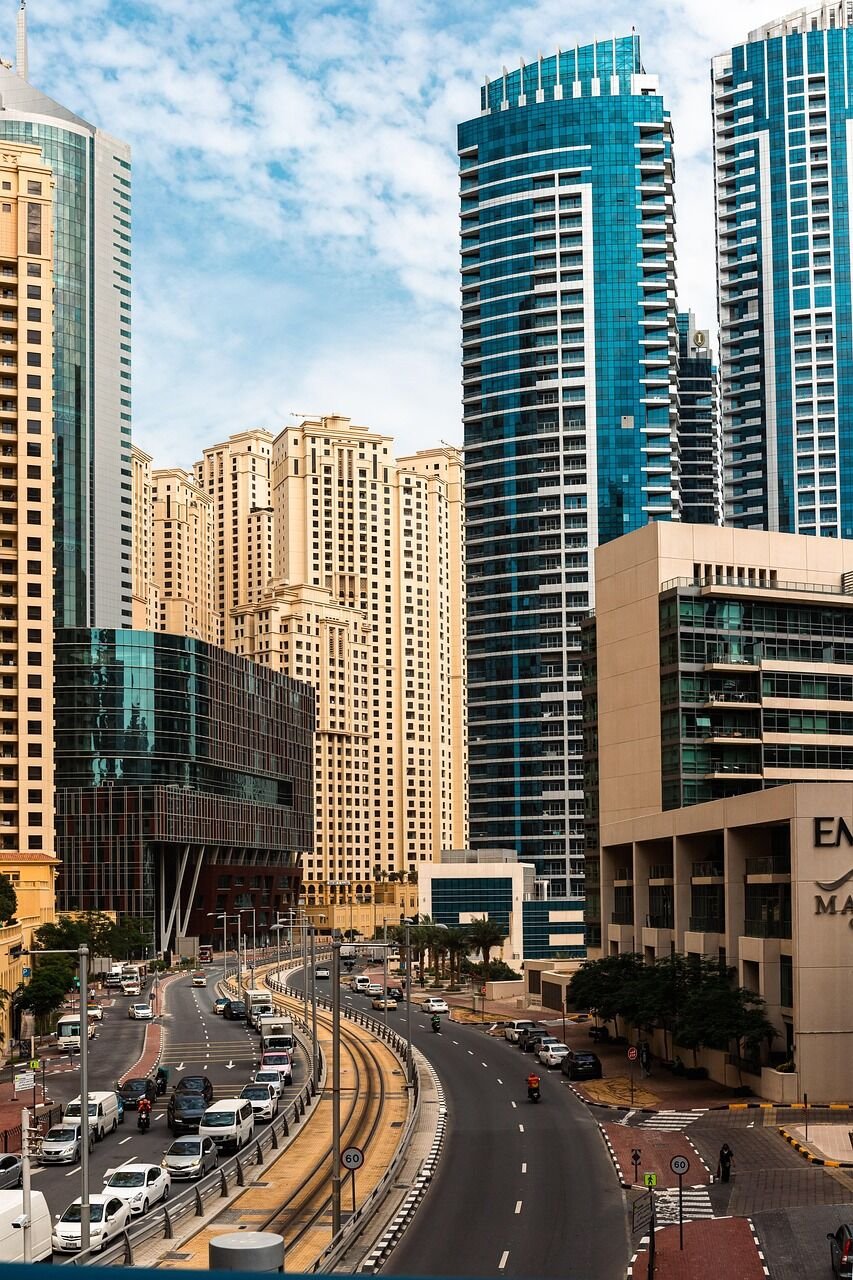
The built environment in Setapak is dense, with many mid- to high-rise blocks closely spaced, especially near the main roads. Noise from traffic and commercial activity is a realistic part of daily life in many parts of the area, so residents who crave quiet, low-density living may find Setapak less appealing compared to leafier neighbourhoods on the outskirts of Kuala Lumpur.
Condominium Landscape and Property Types
Setapak’s residential landscape is dominated by older apartments, newer high-rise condominiums, and some low-cost flats. Landed homes exist, but they are usually older terraced houses, and not the main focus for most new buyers who come here for condominiums.
Newer condos often come with facilities like pools, gyms and security, but they are generally positioned at a mid-market level rather than luxury. Units tend to be compact: 600–900 sq ft for smaller configurations, and 1,000–1,200 sq ft for family-sized units. Car park allocation can be tight in some developments, a factor to consider if you own multiple vehicles.
From an investment point of view, Setapak is more about rental yield and affordability than capital appreciation. Many projects have seen stable but modest price growth rather than dramatic jumps. However, the relatively low entry price compared to KLCC or Bangsar means rental yields can look attractive on paper if the unit is well-located and managed.
Rental and Property Market Overview (circa 2026)
As at 2026, Setapak sits in the more affordable band of the Kuala Lumpur condominium market. Prices and rents vary by exact location, age of the building, and proximity to LRT and TAR UMT, but certain trends are clear.
Newer or popular condominiums near TAR UMT or LRT stations often attract strong student and young professional rental interest. In these pockets, vacancy rates can be relatively low if units are kept in decent condition and priced competitively. Older apartments further from main transport links or amenities may struggle more, especially if maintenance is poor.
The table below summarises broad market observations (ranges are indicative and will vary by project):
| Factor | Observation | Impact |
| Typical condo price (mid-market) | Approx. RM450,000–RM650,000 for 900–1,100 sq ft units | Lower entry cost than KLCC, Bangsar and Mont Kiara; accessible for first-time KL buyers |
| Average rental for 2–3 bed units | Approx. RM1,500–RM2,200 per month depending on location and furnishing | Potential for moderate rental yields; tenant pool largely students and young workers |
| Tenant profile | Students (TAR UMT), young professionals, small families | Demand for functional, furnished units; less emphasis on luxury finishes |
| Capital appreciation trend | Generally gradual and project-specific rather than area-wide spikes | Better suited for income-focused investors than speculative flipping |
| Vacancy risk | Higher for projects far from LRT, TAR UMT or major commercial rows | Location within Setapak matters greatly to mitigate void periods |
Who Setapak Is (and Isn’t) Suitable For
Every Kuala Lumpur neighbourhood has its own character, and Setapak is no exception. It will appeal strongly to some groups and much less to others.
- Budget-conscious first-time buyers who want to stay relatively close to KLCC but cannot afford Bangsar or Mont Kiara prices.
- Yield-focused investors targeting student and young professional tenants, and who are comfortable with a more hands-on leasing and management approach.
- Students and early-career professionals who prioritise public transport, food options and affordability over quiet, premium living.
- Families already familiar with the area who value nearby schools, established networks and practical daily convenience.
- It is less ideal for buyers seeking lifestyle-heavy environments, large green spaces, or prestigious addresses often associated with KLCC or Desa ParkCity.
Comparing Setapak with Other KL Neighbourhoods
Against KLCC, Setapak is clearly more affordable but also more congested and less polished. You trade prestige and high-end facilities for lower prices and a more everyday urban environment. For landlords, Setapak may offer better rental yields, but KLCC may hold stronger long-term capital stability for certain segments.
Compared to Mont Kiara, Setapak caters to a local, largely Malaysian market, while Mont Kiara is more expatriate-heavy, with international schools and premium condos. Rental rates in Mont Kiara are significantly higher, but so are purchase prices and maintenance fees. Setapak can feel more crowded and less organised, but it is more accessible to local middle-income households.
Relative to Bangsar, Setapak lacks the mature café culture, nightlife, and gentrified feel. However, Bangsar’s prices are also substantially higher, and its landed properties are out of reach for many. Against Cheras and Setapak, the choice usually comes down to personal familiarity, access to workplaces, and whether you favour the eastern or north-western corridors of Kuala Lumpur.
Quality of Life Considerations
The quality of life in Setapak is shaped by density, traffic, and convenience. On the positive side, residents enjoy close proximity to affordable food, basic services and public transport. You can live, study, and work in or near the area without owning a car, especially if you plan your accommodation close to an LRT station.
On the downside, peak-hour congestion, noise and limited green space can wear on residents who prefer quieter environments. High-rise living is the norm, and views are often of other buildings and highways rather than parks or lakes. For some, this is an acceptable trade-off for affordability and access; for others, especially older buyers or those with young children, it may feel too intense.
Security varies widely by building. Gated and guarded condominiums with proper access control are generally fine, but older walk-up flats and low-cost apartments can have more security challenges. As with many parts of Kuala Lumpur, choosing the right project within the area is more important than the postcode alone.
Practical Tips for Buyers and Investors
For owner-occupiers, it is advisable to spend time in the area at different hours of the day. Visit during morning rush hour, late evenings and weekends to gauge noise, traffic, and parking realities. Talk to existing residents or building managers to understand maintenance quality and sinking fund health; these details can significantly affect long-term living comfort.
For investors, micro-location is critical. Proximity to TAR UMT, LRT stations, and commercial activity can make the difference between a unit that rents within a week and one that sits empty. Investigate typical tenant profiles in your chosen project: is it mostly students, families, or mixed? This will guide your furnishing level, rental strategy and pricing.
Be realistic about holding power. While Setapak can offer reasonable yields, rental markets fluctuate and competition can be intense when many similar units are available. Ensure you are comfortable covering instalments during occasional vacancies, and factor in ongoing costs like maintenance fees, minor repairs and agent commissions.
Frequently Asked Questions About Living and Investing in Setapak
Is Setapak a good place to live for young professionals working in Kuala Lumpur city centre?
Setapak can work well for young professionals, especially those working in KLCC or nearby areas, provided they are comfortable with high-density living. The combination of LRT access, relatively affordable rents, and abundant food options makes daily life practical. However, if you value quieter streets, boutique cafes and a more polished environment, you may prefer areas like Bangsar or certain parts of Cheras instead.
How strong is rental demand in Setapak?
Rental demand in Setapak is generally stable, underpinned by TAR UMT and the concentration of colleges and entry-level job opportunities nearby. Smaller units near LRT stations or campus areas tend to enjoy the most consistent demand. That said, demand is sensitive to pricing and competition, so units must be maintained and marketed properly to avoid longer vacancies.
Are property prices in Setapak still affordable compared to other Kuala Lumpur neighbourhoods?
In 2026, Setapak remains more affordable than high-profile neighbourhoods like KLCC, Bangsar and Mont Kiara, especially on a per-square-foot basis. Mid-market condos are often within reach of middle-income buyers and first-time homeowners. However, prices have inched up over the years, and buyers should still compare carefully with other emerging areas in Kuala Lumpur that may offer similar pricing but different lifestyle trade-offs.
Is Setapak suitable for long-term own stay with a family?
Setapak can be suitable for families who prioritise affordability, access to Kuala Lumpur city, and everyday convenience. There are schools, malls and essential services in and around the area. On the other hand, parents who value larger living spaces, quieter streets, and abundant parks might eventually look towards more suburban townships or greener neighbourhoods such as parts of Desa ParkCity or outer Cheras.
What type of investor is best suited to Setapak property?
Setapak tends to suit investors who are comfortable with mid-market, yield-oriented investments rather than high-end capital appreciation plays. Ideal investors are those who understand the student and young professional rental market, are prepared to manage tenant turnover, and focus on practical, well-located units rather than speculative luxury projects. An ability to hold through market cycles and maintain units properly is important to make the most of the area’s potential.
This article is for educational and market understanding purposes only and does not constitute financial, property, or investment advice.
