
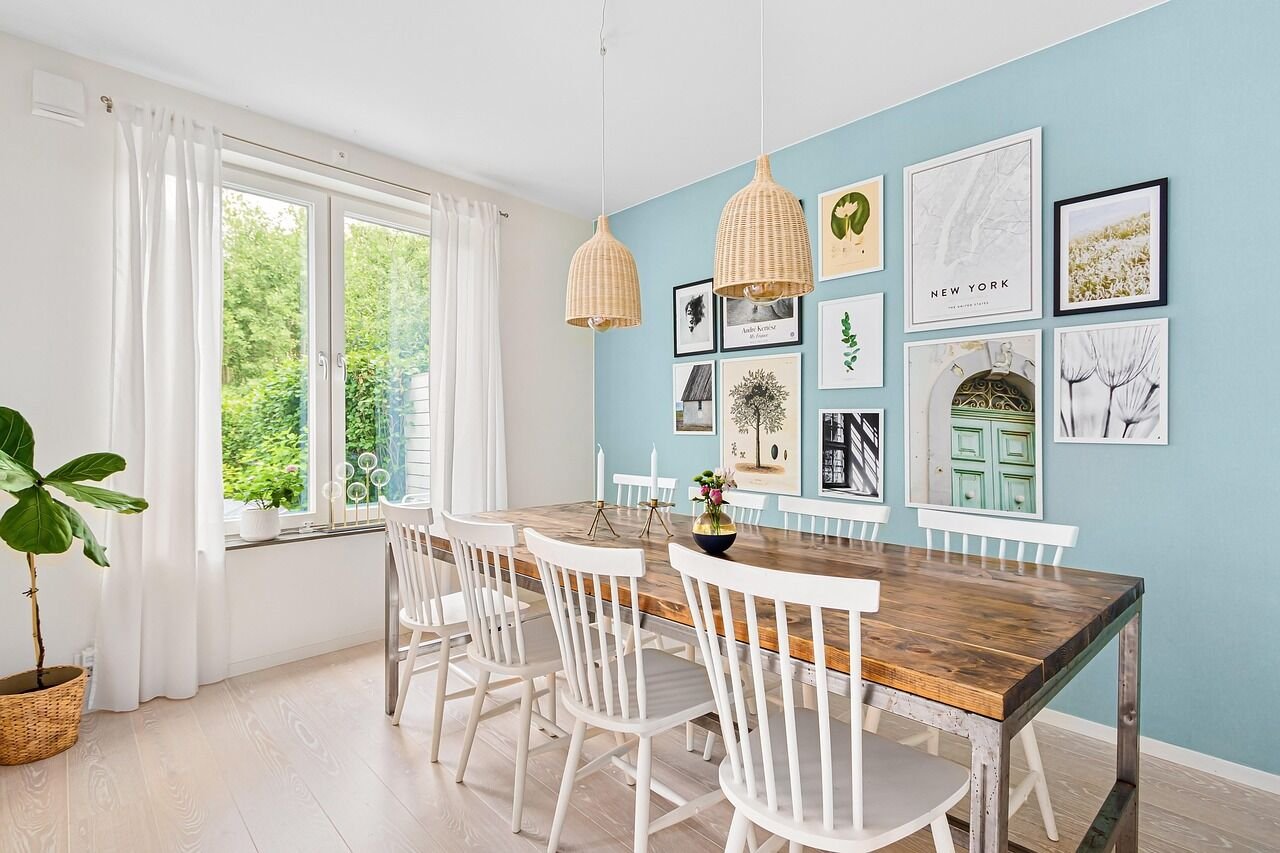
Kepong has quietly transformed from a largely industrial fringe of Kuala Lumpur into a highly liveable suburban pocket with improving connectivity, new high-rise projects, and a strong family-based community. For many KL residents, Kepong sits somewhere between the dense urban feel of Cheras and the master-planned polish of Desa ParkCity, offering a more down-to-earth lifestyle and relatively accessible pricing.
This guide looks at what it’s actually like to live in Kepong today, how the condo market is evolving, and whether the area makes sense for your own lifestyle or investment goals.
“In Kuala Lumpur, choosing the right neighbourhood often matters as much as choosing the right property.”
Overview: Where Kepong Fits in Greater Kuala Lumpur
Kepong sits to the north-west of Kuala Lumpur city centre, bordering Desa ParkCity and Segambut on one side and Selayang on the other. It is not as central as KLCC or Bangsar, but it benefits from a maturing network of highways and the MRT Putrajaya Line, which has changed commuting patterns for many residents.
The area is historically a working and middle-class neighbourhood with light industrial activities, older shophouses, and traditional food spots. Over the last decade, pockets of Kepong have started to urbanise with new condominiums, lifestyle-oriented retail, and spillover demand from more expensive neighbours like Desa ParkCity and Mont Kiara.
Key reality: Kepong is still patchy in terms of urban quality. Certain streets feel congested and dated, while others—especially near newer projects and MRT stations—are starting to align more with modern KL condo living.
Connectivity and Getting Around Kepong
Transport is one of Kepong’s strongest practical advantages, especially for those who balance city work with suburban living. However, you need to be realistic about peak-hour traffic and choose your location within Kepong carefully.
Highway Access
Kepong is linked to multiple major routes within Kuala Lumpur:
- Duke Highway (Duta–Ulu Kelang Expressway) – connects towards Mont Kiara, KLCC and Setapak.
- MRR2 – links towards Cheras and Ampang, and up to Gombak.
- LDP – accessible from certain parts of Kepong, heading towards PJ and Puchong.
- Sprint / Jalan Kuching connections – for access towards KL city centre and Bangsar (with some traffic bottlenecks).
Driving time to KLCC is typically 20–35 minutes off-peak, but can stretch considerably in rush hour. Getting to Mont Kiara can be relatively quick via Duke if you avoid peak congestion points.
Public Transport: MRT & KTM
The MRT Putrajaya Line has materially improved Kepong’s public transport appeal. Stations such as Metro Prima, Kepong Baru, and Jinjang now serve residents who work in KL city or along the MRT corridor. From these stations, it’s possible to reach areas like KLCC (via interchange) or even Cheras more comfortably than before.
Kepong and Kepong Sentral KTM stations also provide alternative rail access, although KTM is less predictable in frequency compared to the MRT. For daily commuting, many residents now mix MRT with e-hailing or short drives to park-and-ride facilities.
Practical point: If you rely on public transport, it’s worth prioritising condos within walking distance—realistically under 10 minutes—of an MRT station. Being “near MRT” in marketing terms can sometimes still mean a long, uncomfortable walk along busy roads.
Everyday Living: Food, Malls, and Green Spaces
Kepong is known among Kuala Lumpur residents mainly for its food and its proximity to the FRIM (Forest Research Institute Malaysia) green lung. For condo residents, the lifestyle offering is less polished than Bangsar or Desa ParkCity, but it has its own practical appeal.
Food and Daily Amenities
Kepong’s food scene is heavily local: kopitiams, dai chows, traditional bakeries, and a growing number of modern cafés, especially near new developments. Compared to Mont Kiara’s international and expatriate-focused outlets, Kepong’s F&B is more budget-friendly and localised.
Wet markets and neighbourhood grocers are easy to find, and larger supermarkets anchor malls and mixed-use developments. For many families, this makes Kepong a convenient base where day-to-day costs can be kept in check.
Reality check: If your lifestyle revolves around high-end restaurants, artisanal cafés, and nightlife, you may still find yourself driving to KLCC, Bangsar, or Desa ParkCity on weekends.
Malls and Retail
Kepong’s retail scene has improved with newer malls and lifestyle centres, though it is still more functional than aspirational in most parts. Metro Prima area, for instance, has become a key retail hub with supermarkets, chain restaurants, and mid-range shopping options.
Many Kepong residents also treat Desa ParkCity’s Waterfront retail and Plaza Arkadia as part of their lifestyle ecosystem, even though these are technically in Desa ParkCity. This adds cafes, alfresco dining, and more curated retail to their weekly routine, but usually involves short drives and limited parking at peak times.
Parks, FRIM and Outdoor Lifestyle
One of Kepong’s biggest advantages is proximity to green spaces. FRIM, on the border of Kepong, is a popular weekend destination for walking, jogging, and light hiking. It provides a rare sense of nature that many central KL neighbourhoods lack.
Within Kepong itself, there are local parks and recreational grounds, but they vary in maintenance and appeal. For condo residents, facilities such as pools, gyms, and landscaped decks often become the default recreational space, especially in newer developments.
For families and active individuals, the combination of FRIM, basic local parks, and short access to Desa ParkCity’s walking paths (if you’re willing to drive) makes Kepong reasonably balanced from a lifestyle angle.
Living Environment: Who Actually Likes Kepong?
Kepong attracts a mix of lifelong locals, upgraders from older walk-up flats, and value-conscious buyers or tenants priced out of Mont Kiara and Desa ParkCity. It is not a polished, uniform township, and that is part of its character and also its challenge.
The streets can feel busy and dense, especially during peak hours, and some industrial pockets remain. At the same time, the neighbourhood vibe is relatively grounded, with long-standing communities and multi-generational families.
- Suitable for: Families needing more space at lower prices than Mont Kiara or Bangsar.
- Suitable for: Owner-occupiers who prioritise food, local amenities, and value over image.
- Suitable for: Investors targeting mass-market rental demand from local workers and young families.
- Less suitable for: Tenants seeking a strong expatriate community like Mont Kiara or KLCC.
- Less suitable for: Buyers who want fully master-planned, gated township environments like Desa ParkCity.
Key insight: Kepong is more about function and familiarity than prestige. If you are emotionally attached to “posh” addresses, the area may feel too utilitarian despite its practical strengths.
Condo Market in Kepong: Types of Developments
The condominium landscape in Kepong is a mix of older apartments, mid-range condos, and newer higher-density integrated developments. This creates a wide spectrum of pricing and quality even within the same postcode.
Older Apartments and Flats
These usually offer basic facilities or none at all, smaller built-ups, and lower maintenance fees. They are popular among lower to mid-income households and can generate stable but modest rental yields. However, they may face challenges in long-term capital appreciation compared to better-planned modern condos.
Mid-range Condominiums
Many mid-range condos in Kepong cater to local families with 3-bedroom layouts, guard services, and typical facilities like pools and small gyms. Décor and finishing may not be as modern as Mont Kiara or KLCC projects, but they are practical and often more affordable.
These condos typically form the backbone of Kepong’s owner-occupier market, with some investor ownership aimed at long-term rental income.
Newer Integrated and Transit-Oriented Projects
More recent developments in Kepong, especially near MRT stations, have adopted a higher-density, mixed-use model. These often include retail podiums, lifestyle components, and compact units suited to young professionals.
From a Kuala Lumpur market perspective, these transit-oriented projects are where a lot of future rental demand is likely to concentrate, provided pricing remains realistic relative to incomes.
Rental Demand and Demographics
Rental demand in Kepong is largely domestic. You will see fewer expatriate tenants compared to Mont Kiara, KLCC, or even Bangsar. Instead, tenants tend to be local working professionals, small families, and some students or trainees working in nearby industrial and commercial areas.
Because Kepong is not a prestige rental address, you should not expect ultra-high rents per square foot. The attractiveness here comes from relative affordability and volume: there is steady demand for practical, well-maintained units at reasonable rents.
Units near MRT stations and within reach of major employers tend to enjoy shorter vacancy periods, but competition can be high due to many similar units in each project.
Property Prices and Value Positioning
In 2026, Kepong generally sits below KLCC, Mont Kiara, and Desa ParkCity in terms of price per square foot, but above some parts of Cheras and Setapak depending on the specific street and project. The value proposition is “near enough” to higher-priced neighbourhoods without their price tags.
Older apartments and walk-up flats can be significantly cheaper on an absolute basis but may require higher renovation budgets and more hands-on management. Newer condos can be priced closer to mid-tier Kuala Lumpur projects, especially when marketed as MRT-adjacent or lifestyle-focused.
Capital growth in Kepong has been gradual rather than explosive. Infrastructure improvements, especially the MRT, have supported price resilience. However, abundant new supply in some pockets can cap upward price pressure in the short to medium term.
Snapshot: Kepong vs Other KL Neighbourhoods
| Factor | Observation | Impact |
| Price vs KLCC | Generally lower entry price; fewer luxury-grade products | More accessible for first-time buyers; less prestige appeal |
| Price vs Mont Kiara | Cheaper on average; fewer expatriate-focused condos | Better for local mass-market; weaker expat rental upside |
| Lifestyle vs Bangsar | More functional, less café/nightlife driven | Good for families; less attractive for social/nightlife-oriented tenants |
| Connectivity vs Cheras | Strong road network and MRT; but local congestion is common | Viable for commuters; project-level access matters a lot |
| Green spaces vs Setapak | FRIM and proximity to Desa ParkCity’s environment | Appeals to families and health-conscious residents |
Risks and Downsides to Consider
While Kepong has many practical strengths, it is important to recognise its limitations. Not all parts of Kepong are equal, and some challenges are structural rather than temporary.
Traffic congestion is a routine complaint, particularly during school runs and weekday peak hours. Narrow internal roads and mixed industrial-residential use in some pockets contribute to bottlenecks. Noise and air quality can also vary significantly from street to street.
Over-supply risk in certain high-density condo clusters is another concern. When multiple similar projects complete around the same time, landlords may need to compete aggressively on rent and incentives, which affects yields and holding power.
Who Should Consider Buying in Kepong?
Kepong often appeals to buyers who are practical rather than image-driven. This includes second-generation locals looking to upgrade within their familiar area, and Kuala Lumpur residents seeking more space than central KL budgets allow.
If you work in KL city but are open to a 20–40 minute commute and prefer lower mortgage payments, Kepong can be a defensible choice. The trade-off is a less stylised environment compared to Bangsar or KLCC, and less clear branding than master-planned townships like Desa ParkCity.
For investors, the key is to treat Kepong as a mass-market, cashflow-oriented play, not a speculative bet on rapid capital gains.
Practical Tips for Evaluating a Kepong Condo
Because Kepong is so varied, micro-location and project selection matter more than just the postcode. Here are practical angles to check when you visit:
First, walk or drive the immediate surroundings at different times of day. Look at traffic, noise, cleanliness, and nearby uses—factories, workshops, or very busy commercial streets can affect both liveability and tenant profile.
Second, test the actual walking route to the nearest MRT or bus stop if public transport is part of your plan. Overpasses, unsafe crossings, or poorly lit back lanes can make “near MRT” much less usable in daily life.
Third, understand the resident mix: predominantly owner-occupiers, families, or transient renters. This influences how well common areas are maintained over time and how stable the community feels.
FAQs About Living and Investing in Kepong
1. Is Kepong a good place to live for families?
For many families, Kepong is attractive because of its practical amenities, established schools in and around the area, local food options, and relative affordability compared to KLCC, Mont Kiara, and Bangsar. The proximity to FRIM and, for some, convenient access to Desa ParkCity’s recreational spaces adds to the quality of life.
However, families sensitive to traffic, noise, and mixed industrial-residential environments should assess specific streets and projects carefully. Lifestyle expectations play a big role—if you want a fully planned, gated township environment, Kepong may feel too mixed and unstructured.
2. How strong is rental demand in Kepong?
Rental demand is steady but primarily local and mass-market in nature. Tenants include workers in nearby commercial and industrial zones, local professionals, and small families. Units near MRT stations and main roads tend to see better take-up and shorter vacancy periods.
Because supply in some condo clusters is high, landlords may need to be realistic on rent and invest in basic furnishing to stand out. It is not a “premium rent” area like KLCC or core Mont Kiara, but it can work for stable, medium-term rental income.
3. Are Kepong property prices likely to grow significantly?
Kepong’s price growth has historically been moderate, supported by infrastructure improvements and proximity to higher-priced neighbours like Desa ParkCity and Mont Kiara. The MRT has added a layer of connectivity value, which helps with long-term resilience.
That said, high-density new supply and the mass-market nature of demand mean that dramatic capital gains are less likely. For most buyers, Kepong should be viewed as a place for gradual appreciation combined with usage value (for owner-occupiers) or income (for investors), rather than quick speculative profit.
4. Is Kepong suitable for expatriate-focused investment?
Generally, no. Expatriate tenants in Kuala Lumpur still tend to favour Mont Kiara, KLCC, and selected parts of Bangsar due to international schools, corporate proximity, and established expat communities. Kepong does not currently have a strong expat rental base.
Investors interested in Kepong should focus on local tenant segments and choose product types and layouts that appeal to them—typically practical 2–3 bedroom units or compact units near MRT stations for local professionals.
5. Should I rent or buy if I plan to live in Kepong long-term?
If you are certain about staying in Kepong for the medium to long term, buying can make sense due to relatively accessible entry prices in the Kuala Lumpur context. Ownership allows you to customise your space and participate in gradual capital appreciation.
However, if you are uncertain about your job location, family plans, or tolerance for Kepong’s traffic and mixed environment, renting for a year first can be a sensible way to test the lifestyle. This is especially relevant if you currently live in more central or polished neighbourhoods like Bangsar or KLCC and are considering a shift to Kepong for cost reasons.
This article is for educational and market understanding purposes only and does not constitute financial, property, or investment advice.
🏙️ Explore Kuala Lumpur Properties
- New Condo Projects in Kuala Lumpur
- Condo for Sale in Kuala Lumpur
- Condo for Rent in Kuala Lumpur
- Landed Homes & Shop Lots for Sale
- Browse Properties by Area
- Property Buying Guides & Tips
- Find Property Agents
- Find Homeowner Insurance Agent
📍 Browse Properties by Location
- Property in KLCC
- Property in Mont Kiara
- Property in Bangsar
- Property in Sri Hartamas
- Property in Bukit Jalil
- Property in Cheras
- Property in Setapak
- Property in Petaling Jaya
- Property in Subang Jaya
⚠️ Disclaimer
The information provided in this article is for general educational and informational purposes only. While we strive to keep property information accurate and up to date, availability, pricing, specifications, and promotions may change without prior notice.
This content should not be considered legal, financial, investment, or mortgage advice. Readers are encouraged to verify all information directly with property developers, property owners, licensed real estate agents, financial institutions, or relevant authorities before making any purchasing or rental decisions.
KLCondo.com.my is an independent property information platform and is not responsible for any losses arising from the use of information published on this website.
