

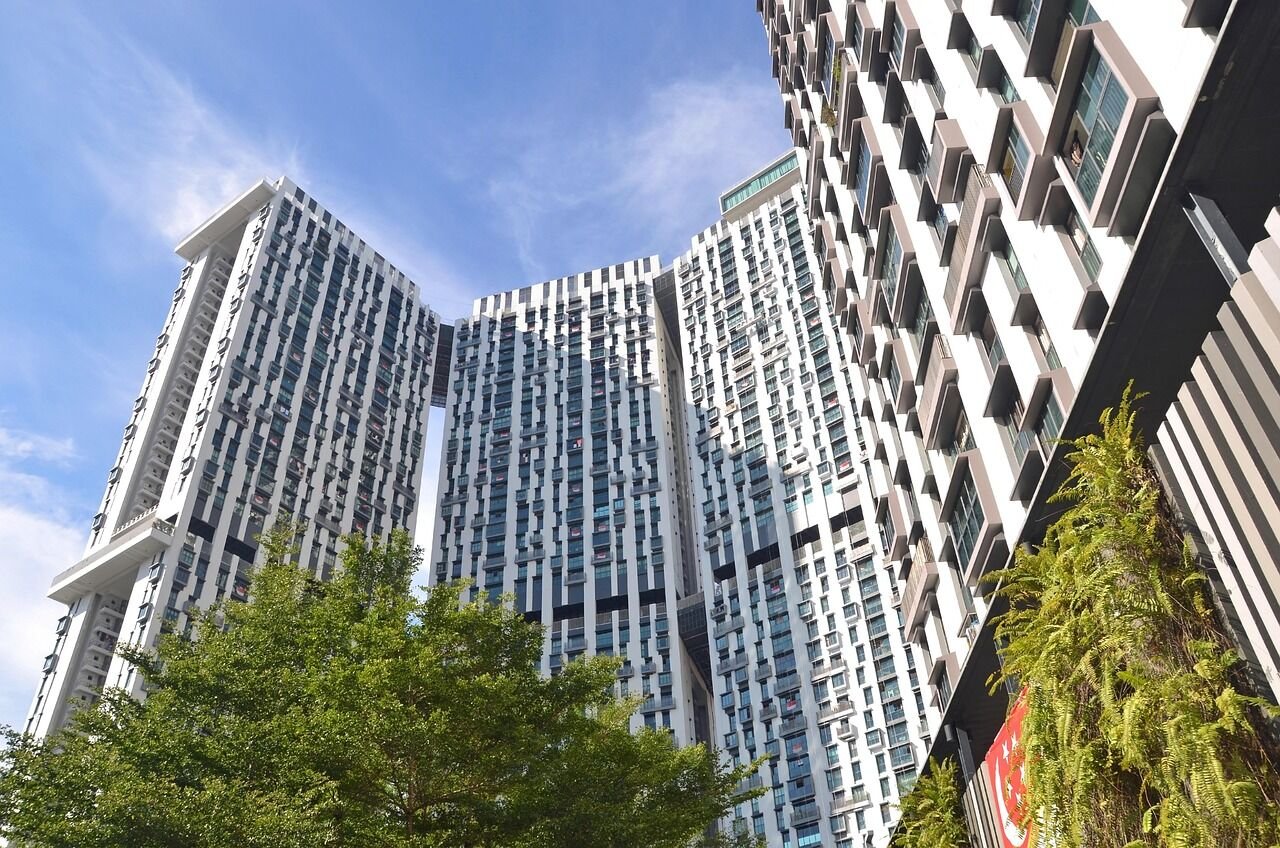
Living in Bangsar South: A Practical Area Guide
Bangsar South has quietly evolved into one of Kuala Lumpur’s most modern mixed-use precincts, blending offices, condominiums, and lifestyle amenities within a compact, master-planned environment. Located between the older residential areas of Bangsar and Petaling Jaya, it offers a very different feel compared to more established neighbourhoods like KLCC, Mont Kiara, or Cheras. This guide focuses on what it is really like to live, rent, or invest in Bangsar South in 2026.
Many people still confuse Bangsar South with “greater Bangsar,” but in reality it is its own pocket: denser, more corporate, and more vertical. If you prefer landed homes and leafy streets, you might be happier in traditional Bangsar or Desa ParkCity; if you like high-rise convenience and being near offices and transit, Bangsar South is worth a closer look.
“In Kuala Lumpur, choosing the right neighbourhood often matters as much as choosing the right property.”
Location & Connectivity
Bangsar South sits along the Federal Highway corridor, between KL city and Petaling Jaya, with easy access to central Kuala Lumpur, KLCC, and Mid Valley. It is technically part of the Kampung Kerinchi area, rebranded as Bangsar South as the area was redeveloped with new offices and high-rise condos.
Connectivity is one of its main strengths. The area is served by two LRT stations on the Kelana Jaya Line: Universiti and Kerinchi. Covered walkways link many condominiums and office towers to these stations, which is important during heavy rain. From Universiti LRT, you can reach KLCC in roughly 20–25 minutes depending on waiting times.
By car, residents typically use the Federal Highway, New Pantai Expressway (NPE), and SPRINT Highway to reach Kuala Lumpur, Bangsar, Mont Kiara, or Petaling Jaya. However, peak-hour traffic can be heavy, especially towards Mid Valley and KL Sentral. If you rely on driving, expect congestion during weekday mornings and evenings.
Neighbourhood Feel & Daily Convenience
The overall feel of Bangsar South is urban, modern, and somewhat corporate. Glass office towers, serviced apartments, and condominium blocks dominate the skyline, with retail and F&B outlets mostly located on ground levels and within small malls like The Sphere and Nexus.
Unlike Bangsar’s Telawi area or Desa ParkCity’s town centre, you do not get a village-like atmosphere or large central park. Instead, the experience is closer to a business district with residential towers — similar in density to parts of KLCC or Setapak, but with more curated landscaping and a clearer masterplan.
Day-to-day needs are well covered within walking distance for most residents. You can find supermarkets, pharmacies, cafes, clinics, and casual dining across The Sphere, Nexus, and surrounding shoplots. For more extensive shopping, Mid Valley Megamall and The Gardens are about a 10–15 minute drive (longer in peak traffic).
Lifestyle: Cafes, Food & Leisure
Bangsar South is particularly convenient for working professionals who like having food and coffee options right downstairs. There is a mixture of chain brands and independent outlets, with a strong presence of casual Asian and Western eateries. You will not get quite the same “hipster cafe” density as in Bangsar or certain parts of Cheras, but there are still plenty of choices for weekday lunches and after-work dinners.
Nightlife is relatively subdued compared to Bangsar’s Telawi or KLCC. You will find bars and bistros, but they are more after-work spots than late-night destinations. If you enjoy a lively bar scene, you may still end up going to Bangsar, KLCC, or even Mont Kiara for variety.
Green spaces are more limited. There are small landscaped areas, pocket parks, and pedestrian-friendly streets, but no large recreational park like Desa ParkCity’s central park. Many residents rely on in-condo facilities such as gyms, pools, and small jogging tracks. For weekend workouts or walks, some residents drive to Bukit Gasing or Bukit Kiara trails only a short drive away.
Who Bangsar South Suits (and Who It Doesn’t)
Because of its built form and demographics, Bangsar South is naturally more attractive to certain groups. It may not work for everyone, especially those who prioritise space and greenery.
- Working professionals in offices at Bangsar South, KL Sentral, Mid Valley, or KLCC who want to minimise commute time.
- Investors looking at rental-driven returns from young tenants and small families, rather than owner-occupiers seeking landed homes.
- Expatriates who prefer a modern, low-maintenance condominium lifestyle but do not need the “expat enclave” feel of Mont Kiara.
- Dual-income couples without children, or with very young kids, who value facilities and security over large built-up space.
- Students and medical staff linked to nearby universities and hospitals along the Federal Highway and PJ corridors.
It is less ideal for those who strongly prefer low-density environments, big private gardens, or community-centric spaces similar to Desa ParkCity or older Bangsar. Large multi-generational families might find the typical condo layouts here too compact.
Transport: Public Transit vs Driving
On public transport, Bangsar South is one of the better-connected high-rise neighbourhoods in Kuala Lumpur. Having two LRT stations nearby is a major plus, especially compared to car-dependent suburbs further out. Walking paths around the offices and condominiums are generally safe and active during working hours, although some stretches can be quieter at night.
Those who rely heavily on the LRT will find it relatively straightforward to get to KLCC, KL Sentral, or even interchange to MRT lines at Pasar Seni. Compared to Mont Kiara, which has no direct rail line, Bangsar South feels significantly more convenient for non-drivers. Against Cheras, which benefits from the MRT network, it is roughly comparable, though Cheras offers more spread-out station coverage for residential pockets.
For drivers, the main challenge is congestion during peak periods. Entry and exit points to the NPE and Federal Highway can be bottlenecks, and parking costs in some commercial buildings are not cheap. Many condominiums bundle at least one car park bay, but families with multiple cars should check parking arrangements carefully before renting or buying.
Property Landscape: Types of Condos & Units
Most residential options in Bangsar South are high-rise condominiums and serviced apartments. Unit sizes commonly range from compact studios and 1-bedroom units (around 500–700 sq ft) to 3-bedroom units around 1,000–1,300 sq ft. Larger penthouses and duplexes exist but are a minority.
Facilities are a key selling point. Many developments have modern gyms, infinity pools, sky decks, co-working areas, and function rooms, targeting younger demographics who prioritise lifestyle amenities. Security is typically multi-tiered with access cards and CCTV, similar to KLCC and Mont Kiara high-rises.
Compared with older condos in Bangsar or Cheras, Bangsar South units tend to be newer with more contemporary layouts and finishes. However, density per block can be high, and views may be obstructed as new towers are built. Anyone buying for own stay should pay attention to future neighbouring plots and planned developments.
Rental Demand & Investment Perspective
From an investment angle, Bangsar South is primarily a rental market driven by nearby offices, universities, and its location between Kuala Lumpur and Petaling Jaya. In 2026, the area continues to attract tenants working in tech, finance, shared services, and professional firms based in the office towers here and in adjacent commercial hubs.
Units in the 500–900 sq ft range often see the strongest rental demand as they suit singles and couples, similar to rental patterns in KLCC and Setapak. Larger three-bedroom units tend to attract small families or flat-sharing arrangements but can be more price-sensitive.
Yields depend heavily on entry price and project. Newer or high-spec developments can command higher rents but may also have higher maintenance fees and more competition from similar units. More mature projects with lower entry prices can sometimes offer better gross yields, but may require more active management and refurbishment.
Indicative Property & Rental Snapshot (2026)
Exact figures vary by project, tower, view, and furnishing level, but the table below summarises general trends compared to other Kuala Lumpur neighbourhoods.
| Factor | Bangsar South Observation | Impact for Residents/Investors |
|---|---|---|
| Average condo price (psf) | Generally lower than KLCC, similar or slightly higher than parts of Cheras and Setapak | More accessible entry point than KLCC or prime Bangsar; scope for medium-term appreciation tied to office demand |
| Typical 1–2 bed rent | Competitive with Mont Kiara for compact units, but usually at a lower absolute rent due to smaller sizes | Good rental appeal to young professionals; yields depend on purchase price and furnishing quality |
| Tenant profile | Mix of local professionals, some expatriates, and students/medical staff | More stable weekday occupancy; weekends may feel quieter versus Bangsar or Desa ParkCity |
| Vacancy risk | Moderate; many similar units available, so presentation and pricing matter | Landlords need to maintain units well and price realistically to reduce vacancy periods |
| Capital growth drivers | Dependent on office occupancy, infrastructure improvements, and continued demand for city-fringe condos | More of a steady rental play than a speculative high-growth bet, compared to early Mont Kiara or Desa ParkCity years |
Comparing Bangsar South with Other KL Areas
Compared to KLCC, Bangsar South offers relatively lower entry prices and slightly better everyday convenience for groceries and mid-range dining, but lacks the prestige, landmark views, and walkability to major malls like Suria KLCC. KLCC remains more tourism and expatriate-heavy, whereas Bangsar South feels more like a local working hub.
Against Mont Kiara, Bangsar South is better served by rail but has fewer international schools and family-focused facilities. Mont Kiara still appeals more to expatriate families and long-term tenants seeking larger units and a strong expat community.
Compared with Bangsar itself, Bangsar South is newer, denser, and less characterful, but more affordable on a per square foot basis. Bangsar offers stronger F&B variety, nightlife, and landed options, but at significantly higher buy-in costs for many properties.
Versus Cheras and Setapak, Bangsar South tends to have a more corporate and upmarket feel, while those areas provide a broader mix of mass-market housing and local neighbourhood amenities. Setapak also attracts strong student demand due to nearby institutions, similar in rental profile to parts of Bangsar South but often at lower rent levels.
Practical Considerations Before You Commit
Anyone considering moving into or investing in Bangsar South should think about a few practical points. These issues are often glossed over in marketing materials but affect day-to-day living and long-term returns.
First, density and construction. Much of Bangsar South has already been developed, but there can still be construction activity on remaining parcels. Units facing active works may suffer from noise and dust for a period. High density can also translate into crowded facilities during peak times, especially in popular developments.
Second, maintenance fees and sinking funds. Many projects come with extensive facilities and landscaped areas, which are attractive but not cheap to maintain. Owners should factor monthly maintenance fees into affordability calculations. For investors, high fees can erode net rental yields if rental rates do not keep up.
Third, traffic and access points. While internal roads are reasonably organised, bottlenecks can occur at exits to major highways, particularly in the evenings. Visiting the area during peak times is important to see if the traffic pattern matches your tolerance level.
Is Bangsar South Right for You?
From a lifestyle standpoint, Bangsar South suits those who want a modern, low-maintenance condo lifestyle with good public transport access, but who do not need the full buzz and premium pricing of KLCC or Bangsar. It works especially well if your workplace is nearby or along the LRT line, reducing commute stress.
From an investment perspective, the area is generally seen as a yield-oriented, rental-focused play rather than a speculative hotspot. Expect moderate, gradual growth linked to Kuala Lumpur’s broader office and employment market, rather than dramatic price spikes. Careful project selection, realistic rental expectations, and good unit management are key to sustainable returns.
If you value greenery, low density, and a more community-centric feel, you might prefer neighbourhoods like Desa ParkCity or mature parts of Bangsar. However, if convenience, connectivity, and contemporary facilities rank higher on your list, Bangsar South is a practical contender among Kuala Lumpur’s condo-centric districts.
Frequently Asked Questions (FAQ)
1. Is Bangsar South a good place to live for families with children?
Bangsar South can work for small families, especially if parents work nearby or use the LRT. Many condos have child-friendly facilities like pools and playgrounds. However, families seeking large built-up spaces, landed homes, or proximity to multiple international schools often look more towards Bangsar, Mont Kiara, or Desa ParkCity instead.
2. How strong is rental demand in Bangsar South?
Rental demand is relatively strong, driven by office workers, nearby institutions, and its location between central Kuala Lumpur and Petaling Jaya. The key challenge is competition between many similar units, so landlords who offer well-maintained, nicely furnished units at realistic RM rental levels tend to find tenants more quickly.
3. Are property prices in Bangsar South still rising?
Price growth in recent years has been moderate rather than aggressive. The area has moved from an “emerging” district to a more mature, stabilised market. Future appreciation is likely to track broader Kuala Lumpur trends and the health of the office and services sectors, rather than major speculative jumps.
4. Is it better to buy or rent in Bangsar South?
This depends on your horizon and financial situation. Renting offers flexibility and relatively good value if you work nearby, letting you enjoy facilities without long-term commitment. Buying may make sense if you plan to stay long-term or if you are comfortable with a yield-focused investment, but you should compare the total cost of ownership against current RM rental rates.
5. How does Bangsar South compare to KLCC for investment?
KLCC is more premium and volatile, with higher entry prices and a mix of owner-occupiers, expatriates, and short-term tenants. Bangsar South is generally more affordable and anchored by office-based tenants and local professionals. Investors who prefer steady rental demand at lower price points may find Bangsar South more accessible, while those seeking prestige addresses and potential upside from iconic locations may lean towards KLCC.
This article is for educational and market understanding purposes only and does not constitute financial, property, or investment advice.