

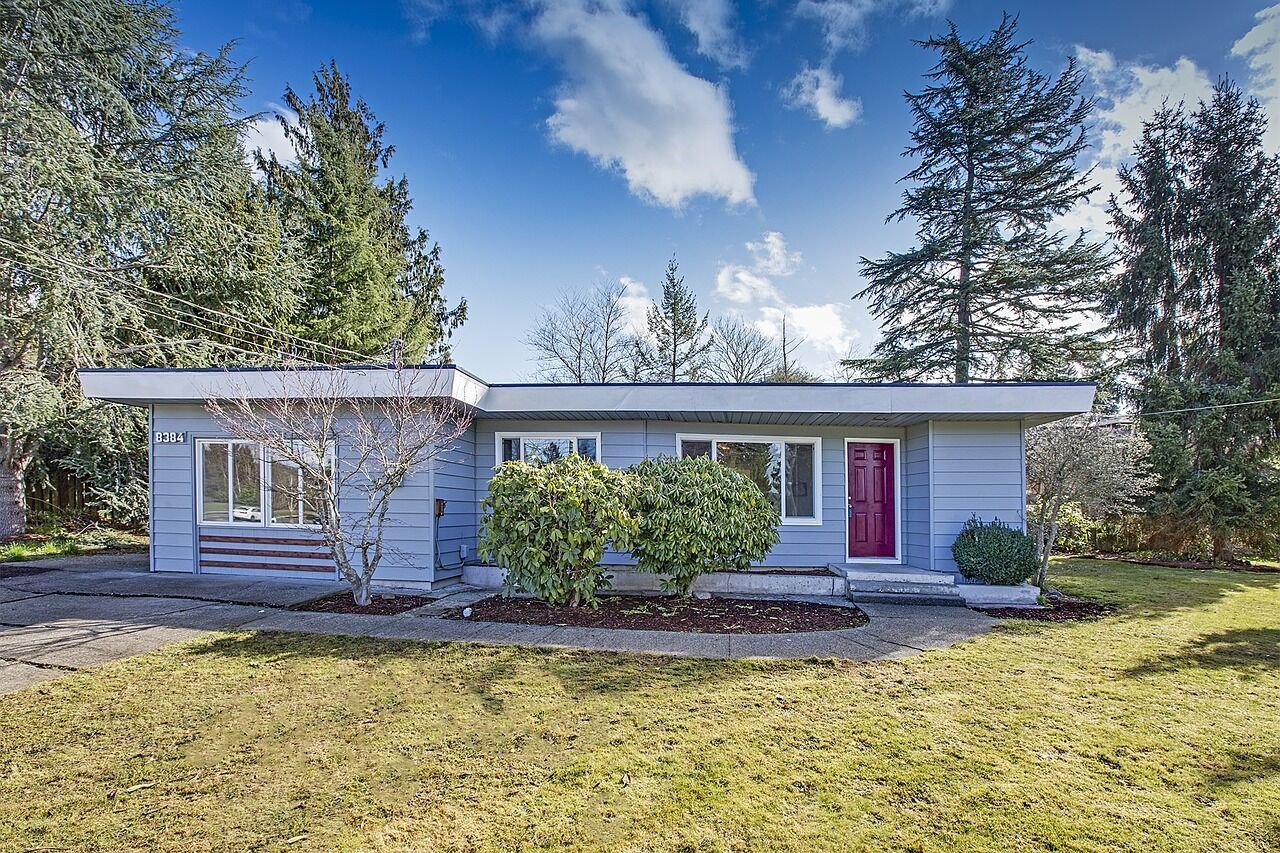
Guide to Living and Investing in Taman Tun Dr Ismail (TTDI), Kuala Lumpur
Taman Tun Dr Ismail, better known as TTDI, is one of Kuala Lumpur’s most established suburban neighbourhoods. Located on the border of Kuala Lumpur and Petaling Jaya, it sits between Mont Kiara, Bandar Utama and Damansara Utama. Over the last decade, TTDI has evolved from a mainly landed, family-oriented area into a more mixed neighbourhood with boutique condominiums and serviced apartments attracting younger professionals and investors.
For KL condo hunters comparing areas like Bangsar, Mont Kiara and Desa ParkCity, TTDI offers a quieter, low-rise feel with still-strong connectivity and an increasingly interesting food and retail scene. At the same time, it remains predominantly residential and community-based, which shapes both lifestyle and property dynamics here.
“In Kuala Lumpur, choosing the right neighbourhood often matters as much as choosing the right property.”
Location and Connectivity
TTDI sits north-west of central Kuala Lumpur, roughly 20–25 minutes’ drive from KLCC in normal traffic. It is flanked by Damansara Jaya, Bandar Utama (1 Utama) and the SPRINT Highway towards Bangsar and the city. This puts it in a mature suburban belt that many families and long-term residents prefer over denser city-core areas.
Road connectivity is one of TTDI’s core strengths. The area is served by the SPRINT Highway (Penchala Link), LDP, NKVE and Jalan Damansara. These highways link TTDI to Mont Kiara, Desa ParkCity, Cheras, Setapak and the KL city centre. The main drawback is peak-hour congestion at key access points, especially around the TTDI–Bandar Utama link and the Damansara–SPRINT interchange.
On public transport, TTDI is connected via the MRT Kajang Line. The nearest stations are MRT TTDI and MRT Bandar Utama, both within short driving or e-hailing distance from most condominiums. Some newer developments and selected walkable pockets have more direct pedestrian access, but much of TTDI still assumes car usage as the primary mode of transport.
Neighbourhood Feel and Daily Life
TTDI is known among Kuala Lumpur residents as a “mature neighbourhood” with a strong local community feel. Streets are lined with older terrace houses, leafy trees and small corner shops rather than high-rise towers. While condos exist, they are generally mid-rise or tucked towards the periphery, which preserves the quieter, low-density character.
The commercial core of TTDI along Jalan Tun Mohd Fuad and its surrounding roads is where daily life clusters. Here you will find kopitiams, specialist cafes, neighbourhood bars, clinics, convenience stores, and tuition centres. The area has seen a slow but steady influx of third-wave coffee shops, bakeries and casual dining that appeal to younger professionals, somewhat similar in vibe to parts of Bangsar but smaller in scale.
Nightlife is modest: a handful of bars and bistros, but nothing like Changkat or KLCC. Streets are relatively quiet by late evening, which suits families and those preferring a calmer environment over the more urban feel of Mont Kiara or the city centre.
Who TTDI Suits Best
Because of its balance between suburban calm and urban convenience, TTDI appeals to a specific profile of residents and investors.
- Families who want a quieter, low- to mid-rise feel with schools and parks nearby.
- Professionals working in Damansara, Petaling Jaya, Mont Kiara or KL city who still prefer a suburban base.
- Long-term owner-occupiers who prioritise community feel and amenities over the “iconic skyline” effect of KLCC or Mont Kiara.
- Investors looking for relatively stable, defensive rental demand rather than speculative high-yield plays.
- Tenants who are willing to drive or use e-hailing, and do not need to be within walking distance of major malls like those in KLCC or Cheras.
Retail, Food and Lifestyle Amenities
TTDI does not have a megamall within the neighbourhood boundary, but it is ringed by several of Kuala Lumpur’s largest retail centres. 1 Utama, The Curve, Ikano Power Centre (IPC) and IKEA Damansara are roughly 5–10 minutes’ drive away, depending on traffic. Paradigm Mall and Mid Valley are further out but still reachable within a 20–30 minute radius.
Within TTDI itself, the lifestyle focus is on neighbourhood-scale convenience: morning markets, small supermarkets, specialist grocers, yoga and pilates studios, and independent gyms. The TTDI wet market is one of the better-known local markets in the Klang Valley, attracting both residents and visitors for fresh produce and hawker-style breakfast options.
Cafes and restaurants are a key part of TTDI’s appeal. Several well-established coffee shops and eateries have become local landmarks, and newer concepts keep the area relevant among young professionals. The dining scene is more low-key compared to Bangsar’s Telawi or KLCC’s mall-based F&B, but it offers a good mix of local and international choices without feeling overly commercialised.
Parks, Greenery and Recreation
One of TTDI’s differentiators, especially when compared to denser areas like Cheras or Setapak, is its access to greenery. Taman Lembah Kiara, a popular park in the neighbourhood, offers jogging tracks, playgrounds and a small lake. It is busy on weekends with families, joggers and dog walkers.
The nearby Bukit Kiara area is a major green lung for Kuala Lumpur residents, frequented by hikers, mountain bikers and runners. While parts of Bukit Kiara have seen development pressure, it remains a key recreational asset for TTDI and surrounding suburbs. For residents who value easy access to outdoor spaces without living as far out as some parts of Desa ParkCity or the suburbs beyond KL, TTDI strikes a compromise.
Gyms, studios and sports facilities are mostly private or commercial rather than municipal. Several condominiums and serviced apartments include their own pools, gyms and function rooms, but these tend to be more modest than the large-scale facilities seen in newer integrated developments elsewhere in Kuala Lumpur.
Types of Condominiums and Residential Profile
TTDI is still dominated by landed housing, but condominiums and serviced apartments have become more visible along its fringes and near the MRT. The condo stock is a mix of older, larger units with more generous layouts and newer, smaller-format units aimed at young professionals and investors.
Older condominiums typically offer larger built-ups, more spacious common grounds and lower density per acre, but come with more dated facades and internal finishes. Some have undergone partial refurbishments, while others maintain a more traditional look, which appeals to long-term residents rather than short-stay tenants.
Newer projects tend to be higher density with smaller units, contemporary facilities and more direct MRT or highway access. These developments attract tenants who might otherwise look at Mont Kiara or the city centre but prefer TTDI’s atmosphere and access to Damansara’s commercial hubs.
Rental and Property Market Overview (as at 2026)
In the context of Kuala Lumpur’s broader condo market, TTDI is considered a relatively stable, mid- to upper-middle segment. It does not typically experience the sharp price spikes sometimes seen in KLCC or speculative pockets in Cheras, nor the intense international-investor attention of Mont Kiara.
Rental yields tend to be moderate rather than high, reflecting strong owner-occupier presence and a tenant base that values stability and neighbourhood quality over bargain rates. Landed properties command higher absolute prices, while condos offer a more accessible entry point into TTDI for both buyers and renters.
The table below summarises some key market observations:
| factor | observation | impact |
|---|---|---|
| Price level (condos) | Generally mid- to upper-middle compared to wider Kuala Lumpur market | More affordable than prime KLCC or parts of Mont Kiara, but higher than many areas in Cheras or Setapak |
| Rental demand | Steady, mostly from families and professionals working nearby | Lower vacancy risk, but yields are usually moderate rather than high |
| Tenant profile | Mix of local professionals, some expatriates, and long-term residents | Preference for well-maintained, practical units over small studio-style layouts |
| Supply pipeline | New launches are limited compared to more “growth” areas | Helps support prices and rents; less risk of oversupply seen in some KL fringe markets |
| Liquidity | Reasonable but not hyperactive resale market | Good for long-term investors; short-term flipping is less suitable |
Comparing TTDI with Other Kuala Lumpur Areas
Compared to KLCC, TTDI is quieter, greener and less high-rise, with fewer luxury-branded developments but more sense of community. It attracts residents who value daily comfort and liveability over prestige addresses or iconic views. Rental rates and prices are typically lower in RM per square foot than KLCC, but so are yields.
Relative to Mont Kiara, TTDI has a more local, less expatriate-heavy identity. Mont Kiara’s condo density, international schools and expat-focused retail are stronger; TTDI’s advantage is its more traditional suburban feel and easier access to PJ and Damansara. For investors targeting expat tenants, Mont Kiara may offer a larger pool; for those preferring mixed local demand, TTDI is competitive.
When set against Bangsar, TTDI feels a little calmer and less nightlife-centric. Bangsar’s Telawi streets are much busier after dark, and traffic congestion can be intense. On the other hand, Bangsar offers more established F&B clusters and closer proximity to central Kuala Lumpur. TTDI is often chosen by those who want a similar “mature neighbourhood” environment but are oriented more towards Damansara and PJ.
Compared to Setapak or parts of Cheras, TTDI’s price point is higher, but so are perceived neighbourhood quality, green spaces and access to Damansara’s commercial belt. For budget-conscious buyers and tenants looking strictly at RM per square foot, these eastern and northern suburbs may be more attractive. TTDI, instead, appeals to those willing to pay a premium for its location and community atmosphere.
Traffic, Noise and Everyday Practicalities
Traffic is a real consideration. TTDI’s strategic highway access comes with morning and evening congestion at key junctions. Residents often learn multiple back routes through Damansara and PJ to manage this. Inside the residential streets, traffic is lighter, but parking around the commercial core can be tight, especially during peak meal times and weekend mornings.
Noise levels are generally moderate. Main roads and condo blocks facing highways or busy junctions can experience traffic noise, so unit orientation matters. Internal-facing units in many condominiums enjoy quieter conditions, particularly in projects set back from the main thoroughfares. Compared with more centrally located Kuala Lumpur areas, TTDI’s noise profile is relatively mild.
Daily essentials are easy to manage: supermarkets, pharmacies, clinics, banks and small retail shops are all available within or just outside the neighbourhood. E-hailing and food delivery services are widely used, and proximity to major malls means residents rarely lack choice, even if they need to drive 5–10 minutes.
Investment Perspective: Pros and Cons
From an investment angle, TTDI is more about preserving value and consistent demand than chasing outsized capital gains. It has a limited land area and an established residential base, which restrains oversupply. New high-rise launches do appear, but at a slower pace than in some parts of greater Kuala Lumpur.
Key advantages for investors: relatively stable prices, consistent rental demand from professionals and families, and a neighbourhood reputation that has held up over decades. Vacancy rates are generally manageable if units are priced appropriately and well-maintained. Larger units and family-friendly layouts can be attractive to long-term tenants who find city-core units too compact.
Potential downsides: rental yields may be lower than in more speculative or emerging areas, and entry prices for better-located projects can be high in absolute RM terms. TTDI is not ideal for short-term flipping or for investors targeting very high rental yields from small studios, as its tenant base leans towards longer stays and more traditional unit sizes.
Is TTDI Right for You?
TTDI suits those who see Kuala Lumpur as a place to live long term rather than a short-term stop. Its strengths lie in liveability: greenery, an active local community, access to Damansara and PJ employment hubs, and a balanced lifestyle that mixes convenience with calm. It is not the neighbourhood for late-night entertainment or the most cutting-edge retail experiences, but these are a short drive away in Bangsar, Mont Kiara or KLCC.
For owner-occupiers, TTDI offers a good balance if you work along the Damansara–PJ–KL corridor and prefer a neighbourhood feel that many newer townships struggle to replicate. For investors, it fits a conservative, longer-term strategy where capital preservation and steady rental income matter more than speculative upside.
Frequently Asked Questions about TTDI
1. Is TTDI a good area to live in for families?
Yes, TTDI is considered family-friendly due to its quieter streets, access to parks like Taman Lembah Kiara, and proximity to schools and tuition centres. Many families choose TTDI over more high-rise areas in central Kuala Lumpur because of its landed housing stock and community feel. The main trade-offs are higher property prices compared with some outer KL suburbs and peak-hour traffic on surrounding highways.
2. How strong is rental demand for condominiums in TTDI?
Rental demand is steady rather than explosive. Tenants are usually local or regional professionals, small families, and some expatriates working in nearby business districts like Damansara, PJ or Mont Kiara. Well-maintained units in convenient locations tend to find tenants within a reasonable timeframe, but yields are typically moderate compared to some more budget-focused areas.
3. Are property prices in TTDI still rising?
Price movements in TTDI have generally been gradual. The area is established, so sharp spikes are less common than in emerging parts of Kuala Lumpur. Over the medium to long term, limited new land supply and continued demand for well-located, mature neighbourhoods have supported values, but individual project performance can vary depending on age, maintenance and accessibility.
4. Is buying a condo in TTDI better than renting?
Whether buying or renting makes more sense depends on your financial position and time horizon. Buying can be attractive if you plan to stay for many years and value being in a mature, stable neighbourhood. Renting may be more flexible if you are unsure about your long-term plans, or if you want to compare TTDI with other KL areas like Bangsar, Mont Kiara or Desa ParkCity before committing to a purchase.
5. How does TTDI compare to Desa ParkCity for lifestyle?
Desa ParkCity is more master-planned, with integrated parks, lakes and a town centre designed from the ground up, while TTDI grew more organically over time. TTDI offers a more traditional suburban feel with an older but well-established commercial core, and easier access to broader parts of Kuala Lumpur and PJ. Desa ParkCity tends to feel more self-contained, with a stronger emphasis on gated community living and pet-friendly public spaces.
This article is for educational and market understanding purposes only and does not constitute financial, property, or investment advice.