
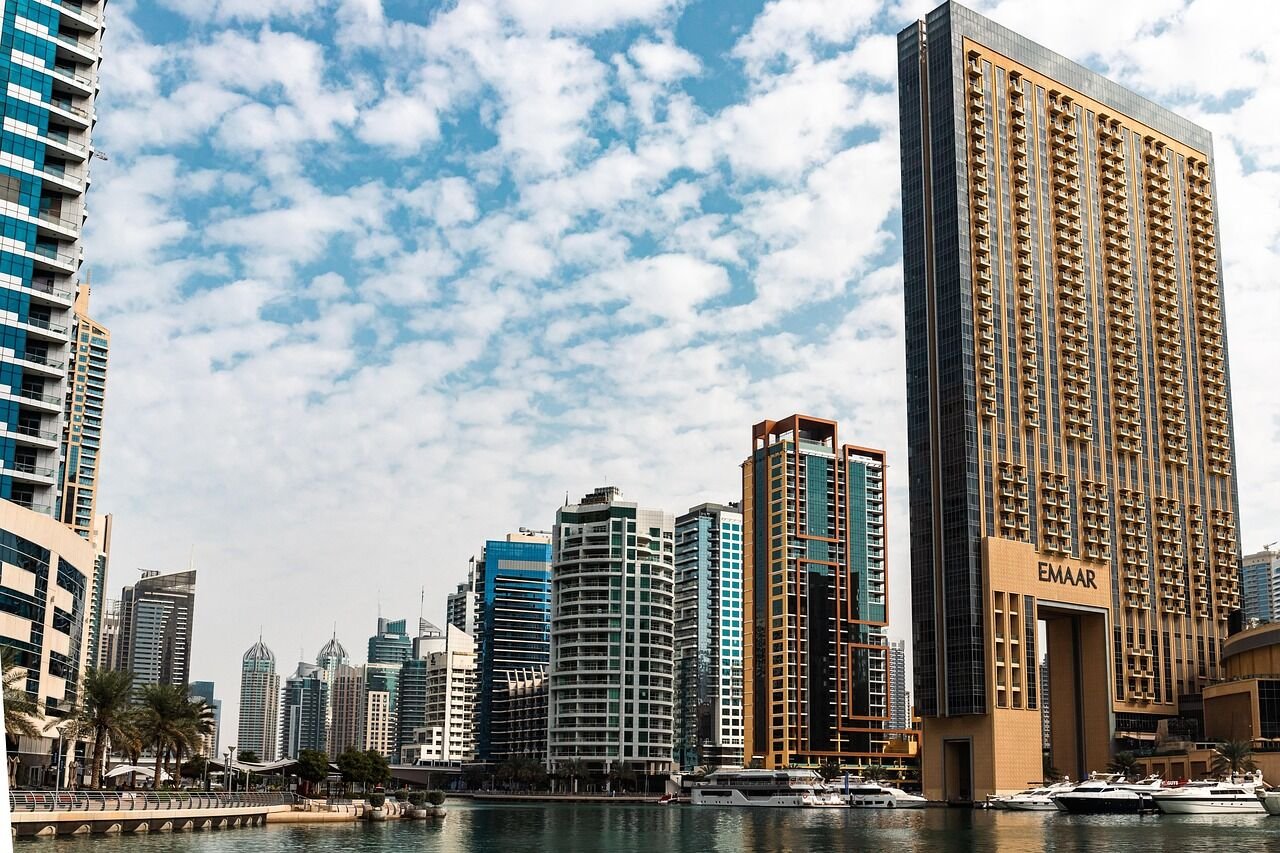
Kuala Lumpur Condo Market Outlook 2025: Trends, Prices, and Investment Signals
The Kuala Lumpur condominium market in 2025 is shaped by a mix of post-pandemic normalisation, infrastructure improvements, and changing buyer preferences. Investors and homebuyers are becoming more selective, focusing on liveability, connectivity, and long-term value rather than speculative gains. Understanding these shifts is essential for anyone considering a condo in areas like KLCC, Mont Kiara, Bangsar, Cheras, Setapak, or Desa ParkCity.
Instead of broad national averages, the KL market is increasingly driven by micro-locations, project quality, and realistic pricing. Some segments remain under pressure from oversupply, while others are showing resilience with stable or gradually improving prices. The outlook for 2025 is not about rapid price spikes, but about identifying pockets of sustainable demand.
For investors, the key questions are: which segments still have oversupply risk, which areas offer stable rental demand, and how macroeconomic conditions will filter into price and rental performance. This article breaks down these issues in a practical way for KL-focused buyers and investors.
“In Kuala Lumpur’s property market, demand and supply balance often matters more than location alone.”
Macro Drivers of the Kuala Lumpur Condo Market in 2025
Several macro factors frame the KL condo outlook for 2025. Interest rates remain a top concern, as higher borrowing costs directly affect affordability and investor appetite. Even if rates stabilise, lending conditions are tighter than in past cycles, which tends to slow speculative activity and support a more fundamentals-driven market.
Urbanisation and job concentration in the Greater KL area continue to support long-term housing demand, especially near employment hubs and key transport lines. However, wage growth has not kept pace with earlier years of property price inflation, limiting how much buyers can stretch their budgets. This caps price growth in many KL condo segments.
Government infrastructure projects, especially rail lines and road improvements, remain a crucial driver. Areas with strong rail access or established road connectivity (such as parts of Cheras, Setapak, and the KLCC fringe) are finding it easier to attract both owner-occupiers and tenants. At the same time, segments with many high-density launches and limited demand growth still face long absorption periods.
Submarket Overview: KLCC, Mont Kiara, Bangsar, Cheras, Setapak, Desa ParkCity
Not all condos in Kuala Lumpur move in the same direction. Each submarket has its own demand profile, price dynamics, and risk factors. Investors should look beyond headline averages and focus on specific corridors and product types within each area.
The table below offers a simplified snapshot of current trends and demand patterns in selected KL condo submarkets. These are generalised observations; individual projects may perform differently based on specification, management, and pricing.
| Area | Price Trend (2024–2025) | Demand Level | Typical Buyer / Renter Profile |
| KLCC (core) | Sideways to mildly soft for older stock; resilient for newer, well-located projects | Moderate; selective, more investor-driven | Investors, expats, high-income professionals |
| Mont Kiara | Generally stable; niche projects with upgrades seeing gradual appreciation | Healthy; strong rental interest in established projects | Families, expats, long-term investors |
| Bangsar | Stable to mildly positive for well-managed, low-density condos | Consistently strong; owner-occupier led | Upgraders, professionals, own-stay buyers |
| Cheras (near MRT) | Mixed; better MRT-linked projects stable, crowded segments under pressure | Varies; solid for affordable, well-connected units | Young families, first-time buyers, value-focused investors |
| Setapak | Stable for affordable mass-market units; limited upside due to competition | Reasonable; price-sensitive demand | Students, young workers, entry-level buyers |
| Desa ParkCity (condo segment) | Mildly positive; supported by strong township branding and liveability | Strong; scarcity of new supply vs demand | Families, upgrader owner-occupiers, lifestyle-focused buyers |
KLCC remains a prime address but is the most clearly two-tiered market. Older, high-density buildings without strong management or upgrades struggle with resale pricing and rental yields, while newer or well-positioned projects with good facilities retain stronger demand. Buyer selectiveness is likely to intensify in 2025.
Mont Kiara continues to behave like a mature, rental-driven expat enclave with a stable base of international schools and amenities. While upside price growth is modest, the area still appeals to investors seeking relatively stable occupancy rather than quick capital gains. Meanwhile, Bangsar remains heavily owner-occupier driven, which helps support values, particularly for well-maintained, lower-density condos.
Supply, Oversupply, and Absorption Risk
One of the most important themes for 2025 is the uneven oversupply across the Kuala Lumpur condo market. Some corridors that saw aggressive launches over the past decade are still digesting existing stock. In those places, competition between landlords keeps rents subdued and makes it harder to push prices.
Areas with a concentration of similar, high-density products (for example, certain belts of Cheras or Setapak) may take longer to absorb completed units, particularly when targeted at similar income segments. For investors, this translates into longer vacancy periods if the unit is not competitively priced or well-maintained.
By contrast, submarkets with limited new land supply and strong community appeal—such as the Desa ParkCity condo segment and established parts of Bangsar—have more balanced supply-demand conditions. Here, the risk of sharp price declines is typically lower, but entry prices can be higher and rental yields moderate.
Rental Market and Yield Expectations in 2025
The rental market in Kuala Lumpur has generally normalised after the pandemic, helped by the return of office activity, universities, and cross-border mobility. However, rent recovery is not uniform. Properties that match current tenant preferences—good Wi-Fi, functional layout, and easy access to public transport or major roads—are leasing faster.
In 2025, many investors will likely face a trade-off between yield and perceived safety. Higher-density, more affordable condos in Setapak or Cheras might offer higher gross yields, but with more competition and potentially higher tenant turnover. In contrast, units in Bangsar or Desa ParkCity may offer lower yields yet more stable tenancy and stronger resale positioning.
KLCC and Mont Kiara rentals are influenced by expat and corporate housing budgets. With more companies remaining cost-conscious, demand may tilt towards mid-range units rather than oversized luxury units. Investors in these areas might do better targeting practical sizes (for example, 800–1,200 sq ft) rather than very large formats with limited tenant pools.
Key Signals to Watch in the KL Condo Market
Instead of focusing on headlines, KL investors should track a few practical signals that often move the market before official data fully catches up. These are especially relevant if you are planning to buy or sell in 2025.
- Transaction activity: Rising transaction volumes in a specific area often precede firmer prices, especially if days-on-market are shortening.
- Rental enquiry trends: For investors, higher enquiry volume and faster unit take-up are early signs of improving rental demand.
- New launch pricing vs subsale: When new launches in a micro-location are priced close to or below nearby subsale, pressure on older stock can increase.
- Vacancy visibility: A high number of visibly empty units or many similar listings at the same development may point to a longer stabilisation period.
- Infrastructure progress: Completed or near-complete MRT/LRT extensions and road upgrades can shift demand hotspots within KL.
These signals often matter more than broad national property reports for a city-specific strategy. A KLCC investor, for example, will react very differently to changes in expat demand and rental budgets compared with a Cheras buyer focused on MRT-linked affordability.
Risk Considerations and Common Pitfalls
The main risk in the Kuala Lumpur condo market remains buying into oversupplied segments at unrealistic prices. This can lock investors into long holding periods with modest or negative real returns, especially when factoring in maintenance fees, repairs, and vacancies. The risk is higher for commodity-type high-rise units with few differentiating features.
Another risk is underestimating ongoing costs, particularly in older buildings where sinking funds may be insufficient to cover major upgrades. Rising maintenance fees can erode net yields and make older condos less competitive against newer stock in Mont Kiara, Bangsar, or KLCC.
Finally, relying on short-term trends or speculative narratives, such as “this area will become the next KLCC,” can be problematic. In reality, many areas do not fully realise early expectations, leading to a mismatch between purchase price and actual demand. A more grounded approach is to evaluate current, observable demand drivers rather than purely future stories.
Opportunities: Where Can Value Still Be Found?
Despite risks, there are still opportunities for buyers who are disciplined and data-driven. In 2025, some of the more interesting value opportunities may be found in subsale markets where prices have already adjusted and sellers are realistic. These can sometimes offer better value than brand-new launches with premium pricing.
Transit-linked parts of Cheras—where MRT stations are genuinely walkable and amenities are established—offer a mix of affordability and connectivity that appeals to younger households and tenants. Careful project selection is critical, as not all condos in the same postcode perform equally.
Similarly, selected older but well-managed condos in Bangsar or on the fringe of KLCC may provide a lower entry price compared with newer stock, while still benefiting from strong locations. These require more due diligence on building condition and management quality but can offer reasonable long-term holding potential for owner-occupiers and conservative investors.
Practical Framework for Evaluating a KL Condo in 2025
To approach a purchase analytically, it helps to use a simple framework based on three pillars: location micro-dynamics, building fundamentals, and financial feasibility. Treat every potential purchase as if you were an investor, even if you plan to stay in it.
On location, go beyond just the district name. For example, instead of simply “Mont Kiara,” examine traffic flow during peak hours, walkability to key amenities, and the immediate competitive set. In “KLCC,” consider whether the project is core CBD or slightly fringe with easier access and possibly better liveability.
For building fundamentals, review maintenance track record, management reputation, occupancy levels, resident mix, security, and practical design elements such as parking layout and lift capacity. A lower-priced condo with poor fundamentals can become more expensive in the long run if it requires constant repairs or becomes less attractive to tenants and buyers.
Financially, stress-test your purchase against different assumptions: slightly higher interest rates, a few months of vacancy per year, and flat rentals for several years. If the numbers only work under very optimistic conditions, it may be wise to pause or reconsider the target project.
FAQs: Kuala Lumpur Condo Market 2025
Are KL condo prices expected to rise significantly in 2025?
Significant broad-based price jumps in Kuala Lumpur condos are unlikely in 2025 based on current conditions. Most segments are expected to remain stable to mildly positive, with performance varying by area and project quality. Upside, where it exists, is more likely to come from specific micro-locations or well-positioned projects rather than the entire market moving sharply upwards.
Is 2025 a good time to buy a condo in KL for investment?
Whether 2025 is suitable depends more on your individual strategy and unit selection than on the calendar year. For long-term investors focused on stable rental demand and realistic entry prices, there are reasonable opportunities in select parts of Mont Kiara, Bangsar, Cheras, and Setapak. Those seeking quick speculative gains are less likely to find the conditions favourable.
How should I think about rental yield vs capital appreciation in KL?
In the current Kuala Lumpur market, investors should treat rental yield as the primary defensiveness of a condo investment. Capital appreciation, if it happens, is more of a bonus than a guarantee. Higher-yielding areas like parts of Setapak or Cheras may attract more price-sensitive tenants, while more established locations like Bangsar or Desa ParkCity tend to offer moderate yields with stronger long-term occupier demand.
Which KL areas are relatively more resilient in downturns?
Areas with strong owner-occupier bases and limited new supply—such as Bangsar and the condo segment of Desa ParkCity—tend to show more price resilience during weaker cycles. Certain parts of Mont Kiara also benefit from consistent rental and expatriate demand. However, resilience is still project-specific; building quality and management remain important in every submarket.
Should I wait for prices to drop further before buying in KL?
Waiting solely for a major price drop can be risky if your main goal is owning a suitable home or a long-term rental asset. In Kuala Lumpur, many segments have already adjusted from their previous peaks. A more practical approach is to focus on buying the right property at a fair price, supported by current rental and occupier demand, rather than trying to time the absolute bottom of the market.
Overall, the Kuala Lumpur condo market in 2025 is characterised by stability rather than excitement, with pockets of opportunity for buyers who are willing to do detailed, project-level analysis. For most purchasers, success will come from aligning expectations with reality, prioritising fundamentals over marketing narratives, and making decisions based on both numbers and on-the-ground observation.
This article is for educational and market understanding purposes only and does not constitute financial, property, or
investment advice.
🏙️ Explore Kuala Lumpur Properties
- New Condo Projects in Kuala Lumpur
- Condo for Sale in Kuala Lumpur
- Condo for Rent in Kuala Lumpur
- Landed Homes & Shop Lots for Sale
- Browse Properties by Area
- Property Buying Guides & Tips
- Find Property Agents
- Find Homeowner Insurance Agent
📍 Browse Properties by Location
- Property in KLCC
- Property in Mont Kiara
- Property in Bangsar
- Property in Sri Hartamas
- Property in Bukit Jalil
- Property in Cheras
- Property in Setapak
- Property in Petaling Jaya
- Property in Subang Jaya
⚠️ Disclaimer
The information provided in this article is for general educational and informational purposes only. While we strive to keep property information accurate and up to date, availability, pricing, specifications, and promotions may change without prior notice.
This content should not be considered legal, financial, investment, or mortgage advice. Readers are encouraged to verify all information directly with property developers, property owners, licensed real estate agents, financial institutions, or relevant authorities before making any purchasing or rental decisions.
KLCondo.com.my is an independent property information platform and is not responsible for any losses arising from the use of information published on this website.
