
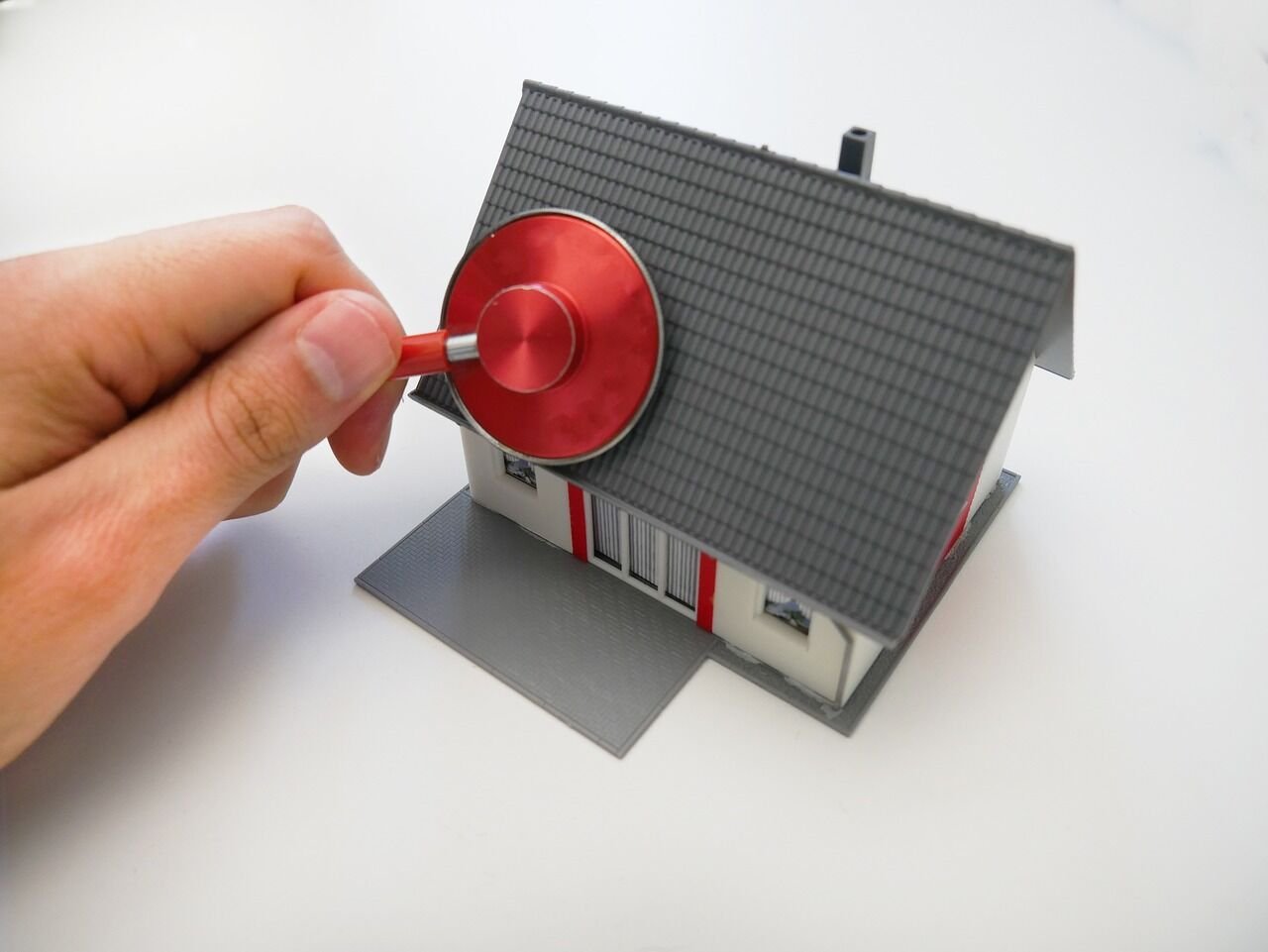
Does Home Insurance Cover Renovation Damage in KL Condos? A Practical Guide for Owners
Renovating a KL condo can be exciting, whether you are upgrading an old subsale unit in Mont Kiara, installing built-in cabinets in a new launch, or refreshing a rental apartment in Cheras before finding tenants. But when hacking, plumbing, wiring, waterproofing and built-in works are involved, one practical question often gets overlooked: if something goes wrong during or after renovation, will home insurance cover the damage?
The honest answer is: it depends on the policy. Home insurance coverage varies between insurers, plans, policy wording, exclusions, optional extensions, sum insured and the actual cause of damage. Some situations may be covered, some may be excluded, and some may fall under the responsibility of the contractor, the condo management’s building policy, or the individual owner.
For condo owners in Kuala Lumpur and Selangor, this can be more confusing because strata properties usually involve more than one layer of responsibility. There may be a master building insurance policy arranged by the Management Corporation (MC) or Joint Management Body (JMB), but that does not automatically mean your renovation, furniture, appliances or personal belongings are fully protected.
This guide explains, in practical Malaysian English, how home insurance may apply to renovation damage, condo units, contents, landlords and other property types such as landed houses, apartments, townhouses and rental properties.
Why Home Insurance Matters for Malaysian Homeowners
Many homeowners only think about insurance when the bank asks for fire insurance as part of a housing loan. But property risks are not limited to fire. A home may also face water leakage, burst pipes, theft, storm damage, electrical damage, impact damage, malicious damage, liability issues or damage to renovations and household contents.
For condo owners, the risks can be even more interconnected. A leaking pipe in your unit may damage the ceiling of the neighbour below. A contractor may accidentally damage common property. A poorly done waterproofing job may cause seepage months later. A kitchen fire may affect your cabinets, appliances and neighbouring units.
Insurance is not a magic solution for every loss, and not every claim will be approved. Claim outcomes depend on the policy wording, cause of damage, evidence, coverage, exclusions, limits, excess, insurer assessment and surrounding circumstances. However, having the right type of cover can reduce the financial shock when unexpected damage happens.
Common Types of Home-Related Insurance in Malaysia
Before discussing renovations, it helps to understand the common categories of property insurance. The names may differ slightly between insurers, so always check the actual policy documents.
| Type of Cover | What It Usually Relates To | Important Notes |
|---|---|---|
| Fire Insurance | Basic protection for the building against fire and certain insured perils, depending on the policy. | Often required by banks for financed properties, but it is not the same as full home insurance. Coverage varies. |
| Houseowner Insurance | Usually focuses on the building structure, fixtures and fittings. | More relevant for landed homes, but may also apply to individual strata interests depending on the insurer and policy. |
| Householder / Contents Insurance | Usually protects movable household contents such as furniture, appliances and personal belongings. | Useful for condo owners, tenants and landlords with furnished units. Subject to limits and exclusions. |
| Condo Master Building Policy | Building insurance arranged by the JMB or MC for the strata development. | Normally relates to the building and common property, but it may not cover all items inside your private unit. |
| Personal Liability Cover | May help if you are legally liable for accidental damage or injury to others. | Not automatically included in every policy. Check limits, exclusions and conditions. |
Condo Master Policy vs Individual Owner Protection
In a condominium, the Management Corporation or Joint Management Body typically arranges insurance for the building. This is sometimes called the master policy or building policy. It may cover the main building structure and common property such as corridors, lifts, guardhouse, lobby areas, shared facilities and other common areas, subject to the policy terms.
However, condo owners should not assume that the management’s insurance covers everything within their unit. The master policy may not fully cover your renovation works, loose furniture, personal belongings, appliances, artwork, clothing, laptops, jewellery or tenant’s belongings. It may also not automatically protect you from personal liability claims involving your unit.
For example, if your built-in kitchen cabinets, wardrobe, loose furniture and electrical appliances are damaged due to an insured event, whether you can claim depends on which policy covers those items, whether the cause is insured, and whether the items fall under building, renovation, fixtures or contents.
Condo owners should ask the management office for relevant insurance information, such as the name of the insurer, broad scope of the building policy, insured perils, excess, claims process and whether individual owners need separate cover for renovation and contents. The JMB or MC may not be able to give personalised insurance advice, but they should usually be able to provide general building insurance details for owners to review.
Does Home Insurance Cover Renovation Damage?
Renovation damage can mean different things. It may refer to damage caused during renovation, damage to completed renovation works, or damage caused by renovation defects after the works are finished. The insurance treatment can be very different.
1. Damage During Renovation Works
If your contractor accidentally damages your floor tiles, pipes, electrical wiring or wall during renovation, this may not automatically be covered under your home insurance. Many policies contain exclusions for renovation, construction, alteration, defective workmanship or damage caused by contractors. Some policies may require you to inform the insurer before major renovation works begin.
For larger renovation projects, the contractor may need their own insurance, such as contractor’s all risks insurance or public liability cover. Condo management may also require contractors to place a renovation deposit, follow approved working hours and comply with management by-laws.
2. Damage to Completed Renovation
Once renovation is completed, built-in items such as kitchen cabinets, wardrobes, plaster ceilings, flooring and fixed fittings may be treated differently depending on the policy. Some insurers may treat certain built-ins as part of the building or fixtures, while others may require them to be declared separately or included under renovation improvements.
If you bought a bare unit and spent a large amount on renovation, your original insured amount may not reflect the current value of your unit improvements. Underinsurance can become a problem if the sum insured is too low. Always review your coverage after major renovation.
3. Damage Caused by Defective Renovation
If damage happens because of poor workmanship, design defects, faulty waterproofing or improper installation, insurance may exclude the cost of fixing the defective work itself. Some policies may cover resulting damage if it falls within an insured peril, but this depends heavily on the policy wording and facts of the case.
For example, if a badly installed pipe leaks and damages your cabinets, the insurer may assess whether the event is sudden and accidental, whether defective workmanship is excluded, and whether the damaged items are covered under your policy. There is no automatic answer.
Practical tip: Before starting renovation, inform your insurer where necessary, check whether renovation works affect your coverage, confirm your contractor’s insurance and keep photos, invoices, approved renovation forms and management correspondence. These documents can be very useful if a claim or dispute happens later.
Common Condo Renovation Risks in KL
KL condo renovation often involves compact spaces, shared walls, risers, concealed pipes and strict management rules. Some common issues include:
- Water leakage from bathroom works, kitchen plumbing, washing machine points or balcony areas.
- Damage to neighbouring units, especially ceiling stains, seepage or water dripping to the unit below.
- Electrical damage due to faulty wiring, overloaded circuits or poor installation.
- Damage to common property such as lifts, corridors, walls or refuse areas during material transport.
- Fire risk from cooking areas, electrical works or careless contractor practices.
- Theft or loss involving renovation materials, appliances or fittings before handover.
- Non-compliance with management rules, including unapproved hacking, wet works or changes to external façade.
For owners planning major works, it is also sensible to read KLCondo.com.my topics on Renovation & DIY, Home Maintenance, Property Management & Maintenance, Home Security and Smart Home upgrades, because renovation decisions often affect long-term safety and maintenance.
What May Be Covered Under Home Insurance?
Coverage depends on the policy. However, depending on the insurer and plan, a home insurance policy may include protection for certain insured events such as fire, lightning, explosion, storm, flood, burst pipes, theft following forcible entry, impact damage, malicious damage or other specified perils.
Some policies may offer optional extensions for contents, personal liability, alternative accommodation, loss of rent, domestic helper belongings, pedal cycles, valuables, or accidental damage. These extensions are not identical across insurers and may have sub-limits, excess, conditions and exclusions.
For condo owners, useful areas to check include whether the policy covers:
- Renovation improvements and built-in fixtures within your unit.
- Movable contents such as sofa, bed, dining set, fridge, TV and washing machine.
- Personal liability if water leaks from your unit and damages another unit.
- Theft, and whether forcible entry is required.
- Damage during vacant periods, especially if the unit is unoccupied for a long time.
- Loss of rent if the unit becomes uninhabitable due to an insured event.
- Flood or water damage, especially for lower-floor or landed properties.
What Is Commonly Not Covered?
Exclusions vary between policies, but homeowners should pay attention to common limitations. Many policies may exclude wear and tear, gradual deterioration, poor maintenance, defective workmanship, design defects, pest damage, mould, rust, corrosion, intentional acts, illegal activities, unapproved alterations or damage from renovation works unless specifically covered.
For example, if an old pipe slowly leaks behind a wall for months due to lack of maintenance, the insurer may view it differently from a sudden burst pipe. If your contractor damages the lift while moving materials, that may involve management rules, contractor liability and deposits rather than your personal contents policy. If expensive jewellery is stolen, it may be subject to item limits or require prior declaration.
The key is to understand the difference between sudden accidental damage and maintenance or workmanship issues. Insurance is generally designed for unexpected insured events, not to replace proper maintenance or contractor warranties.
Renovation, Built-Ins and Contents: Know the Difference
One area many homeowners misunderstand is the difference between building, renovation and contents. In a condo, the building structure may be covered under the master policy, but your renovation and contents may need separate attention.
Building or fixtures may include structural elements and fixed items, depending on the policy. Renovation improvements may include built-in cabinets, wardrobes, flooring, plaster ceiling, partitions and upgraded fittings. Contents usually refer to movable items such as furniture, appliances, curtains, rugs, clothes and personal belongings.
Why does this matter? Because after a loss, the insurer will look at what was damaged and whether that item falls under the insured category. A wall may be treated differently from a built-in cabinet. A built-in oven may be treated differently from a loose microwave. A wardrobe fixed to the wall may not be treated the same as a freestanding wardrobe.
After renovation, keep invoices, contractor quotations, payment receipts and before-and-after photos. If you upgrade your home significantly, review the sum insured. A unit renovated ten years ago for basic rental use is very different from a fully redesigned owner-occupied condo with custom carpentry and premium appliances.
Water Leakage and Neighbouring-Unit Damage
Water leakage is one of the most common concerns in high-rise living. The difficult part is identifying the source and responsibility. Leakage may come from your unit, the unit above, common pipes, waterproofing failure, external walls or common property areas. The JMB or MC may need to help investigate if common property is involved.
If water from your unit damages the ceiling or furniture of the unit below, the affected neighbour may ask you to compensate them. Whether your insurance responds depends on your policy, the cause of the leak and whether personal liability or relevant water damage cover applies. If the leak is due to poor renovation workmanship, the insurer may assess the situation carefully and exclusions may apply.
Owners should act quickly. Stop the water source, inform management, take photos, contact the contractor if renovation-related, and notify the insurer if the damage may be claimable. Do not admit legal liability or agree to large compensation amounts before checking with your insurer, as this may affect your claim position depending on policy conditions.
How Landed House Insurance Differs
For terrace houses, semi-D homes, bungalows and townhouses, the owner usually has more direct responsibility for the building structure, roof, gate, boundary walls, fixtures and internal contents. There is no condo master policy covering the building in the same way as a strata development.
Landed homeowners should consider whether their policy reflects the rebuilding cost of the property, renovation value, extensions, kitchen cabinets, roof condition, electrical wiring, flood exposure, theft risk and liability to visitors or neighbours. Flood is especially important in certain parts of Klang Valley, but coverage depends on whether flood is included or added as an extension.
For older landed subsale homes, insurers may also consider property condition, maintenance and previous damage. If you are doing major extension works, inform the insurer and check whether renovation activities affect the policy.
What Landlords Should Consider
If you rent out your condo, apartment, terrace house or shoplot used as a residence, your insurance needs may differ from an owner-occupied home. Landlords should check whether the policy allows rental use and whether tenant occupancy affects coverage. Some policies may have conditions for vacant periods or short-term rental arrangements.
Landlords should also separate their own contents from the tenant’s contents. If you provide a furnished unit, your sofa, beds, curtains, fridge, washing machine, air-conditioners and built-ins may need contents or landlord protection. The tenant’s personal belongings are usually their own responsibility unless a specific policy says otherwise.
Loss of rent cover may be available under some policies if the unit becomes uninhabitable due to an insured event. However, this is subject to policy limits and conditions. It is not the same as protection against a tenant simply refusing to pay rent.
For rental property owners, KLCondo.com.my’s Property Investment, Property Buying Guides, Property Selling Guides and Financial Planning categories can also be relevant when thinking about total ownership risk, not just loan instalments and rental yield.
How to Prepare for a Possible Claim
No one buys insurance hoping to claim, but if damage happens, preparation matters. A claim is assessed based on evidence, policy coverage, cause of damage and insurer investigation. You should not exaggerate, conceal facts or manipulate information. Provide accurate details and keep proper records.
Useful steps include:
- Take photos and videos immediately before cleaning up, if safe to do so.
- Stop further damage, such as shutting off water or electricity where necessary.
- Notify condo management if common property, neighbouring units or building systems are involved.
- Inform your insurer promptly according to the policy’s claim notification requirements.
- Keep invoices and receipts for renovation, repairs, replacement items and emergency works.
- Obtain reports where relevant, such as police reports for theft or contractor reports for leakage source.
- Do not dispose of damaged items too quickly unless necessary for safety or hygiene, as the insurer may want to inspect them.
Remember, reporting a claim does not guarantee approval. The insurer will still assess whether the loss is covered, whether exclusions apply, whether the sum insured is adequate and whether the claim falls within policy limits.
Questions to Ask Before Buying or Renewing Home Insurance
Before choosing a policy, do not look only at the premium. Ask practical questions that match your property and lifestyle:
- Does this policy cover a condo, landed home, rental property or owner-occupied unit?
- What is covered under building, renovation and contents?
- Are built-in cabinets, wardrobes, kitchen fittings and flooring covered?
- Is personal liability included, especially for water damage to neighbouring units?
- Are flood, theft, accidental damage or loss of rent included or optional?
- What are the main exclusions for renovation, defective workmanship and wear and tear?
- What are the policy limits, sub-limits and excess?
- Do I need to inform the insurer before renovation or if the unit is rented out?
- How long can the property be vacant before coverage is affected?
- What documents are required for claims?
FAQs About Home Insurance and Renovation Damage in KL Condos
1. Does my condo management’s insurance cover my renovation?
Not necessarily. The condo master policy arranged by the JMB or MC usually relates to the building and common property, but it may not cover all renovation improvements or contents inside your private unit. Ask management for the building insurance details and consider whether you need separate cover for renovation and contents.
2. If my contractor damages my condo during renovation, can I claim from home insurance?
This depends on the policy and the cause of damage. Many home policies may exclude damage caused by renovation, construction, alteration or defective workmanship. You should check your policy and also ask whether your contractor has suitable insurance and is responsible under the renovation agreement.
3. Are built-in cabinets and wardrobes considered contents?
It depends on the insurer and policy wording. Some policies may treat built-in items as fixtures, renovation improvements or part of the building, while loose furniture is usually treated as contents. Declare major built-ins clearly and keep invoices so there is less confusion during a claim.
4. Does home insurance cover water leakage to the unit below?
Some policies may include personal liability or water damage cover, but coverage depends on the cause of leakage, policy terms, exclusions and limits. If the leakage is due to poor renovation workmanship or gradual deterioration, the insurer may assess it differently. Inform management and your insurer early.
5. Do tenants need their own insurance?
Tenants may want contents insurance for their personal belongings because the landlord’s policy usually protects the landlord’s property, not the tenant’s items. Coverage varies, so tenants should check whether theft, fire, water damage and personal liability are included.
6. Is fire insurance enough for a KL condo owner?
Fire insurance may provide basic protection for certain fire-related risks, but it is not the same as broader home insurance. It may not cover your contents, renovation improvements, personal liability or other risks unless included. Condo owners should check both the master policy and their own protection needs.
7. Should I update my insurance after renovation?
Yes, it is sensible to review your policy after major renovation. Your home may now have higher-value built-ins, fittings, appliances and contents. If the sum insured is too low, you may face underinsurance issues. Check with the insurer on how to include renovation improvements properly.
Final Thoughts
For KL condo owners, home insurance is not only about satisfying a bank requirement or paying the lowest annual premium. Renovation, contents, water leakage, neighbouring-unit liability and rental use can all affect what protection you actually need.
A suitable policy should match your property type, building value, renovation cost, household contents, location, risk exposure, occupancy, budget and desired level of protection. A condo owner with extensive built-ins may need different cover from a tenant, a landlord with a furnished rental unit, or a landed homeowner in a flood-prone area.
Before buying or renewing, compare coverage, exclusions, limits, excess and policy conditions rather than looking only at the premium. For important financial or insurance decisions, review the actual policy wording and seek clarification directly from the insurer or a licensed insurance professional.
🏙️ Explore Kuala Lumpur Properties
- New Condo Projects in Kuala Lumpur
- Condo for Sale in Kuala Lumpur
- Condo for Rent in Kuala Lumpur
- Landed Homes & Shop Lots for Sale
- Browse Properties by Area
- Property Buying Guides & Tips
- Find Property Agents
- Find Homeowner Insurance Agent
📍 Browse Properties by Location
- Property in KLCC
- Property in Mont Kiara
- Property in Bangsar
- Property in Sri Hartamas
- Property in Bukit Jalil
- Property in Cheras
- Property in Setapak
- Property in Petaling Jaya
- Property in Subang Jaya
⚠️ Disclaimer
The information provided in this article is for general educational and informational purposes only. While we strive to keep property information accurate and up to date, availability, pricing, specifications, and promotions may change without prior notice.
This content should not be considered legal, financial, investment, or mortgage advice. Readers are encouraged to verify all information directly with property developers, property owners, licensed real estate agents, financial institutions, or relevant authorities before making any purchasing or rental decisions.
KLCondo.com.my is an independent property information platform and is not responsible for any losses arising from the use of information published on this website.
