
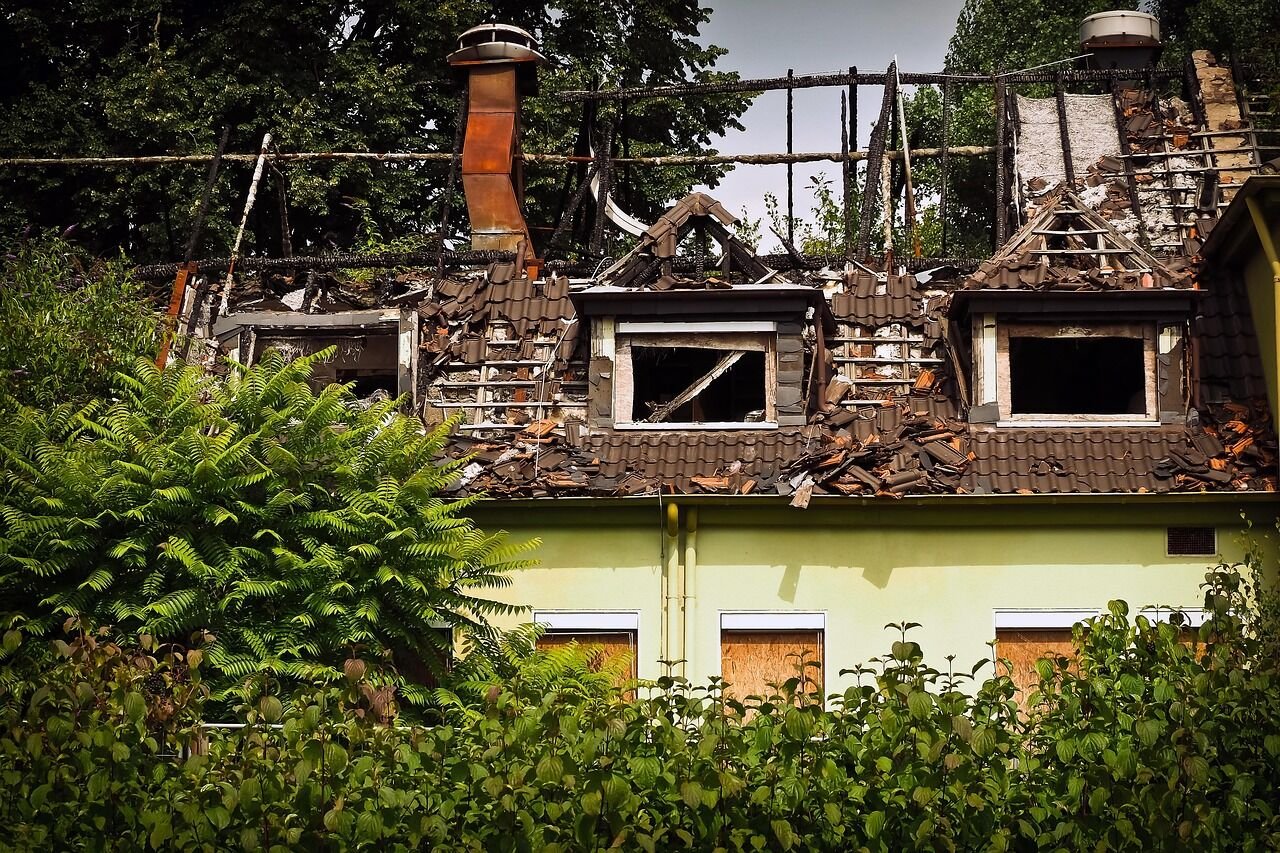
Condo Insurance in Malaysia: What Owners Really Need to Know
Owning a condominium in Malaysia is different from owning a landed house. In a condo, you own your individual parcel, but you also share common property such as lifts, corridors, swimming pools, car parks, guardhouses, lobbies, pumps, pipes, and building structures with other owners.
This is why condo insurance can be confusing, especially for first-time buyers in Kuala Lumpur, Selangor, and other urban areas. Many owners assume that because the Management Corporation or Joint Management Body has already insured the building, they do not need any other protection.
“Many condo owners mistakenly assume the building’s insurance automatically protects everything inside their unit. In reality, the master policy usually covers only the building structure and common property.”
The key point is simple: the building master insurance and your own individual insurance are not the same thing. They cover different risks, different property, and different people.
This article explains what is usually covered by the condo’s master policy, what owners should consider insuring themselves, where coverage gaps often happen, and how to reduce financial risk in strata living.
Understanding Strata Ownership in Malaysia
Most condominiums and apartments in Malaysia are strata properties. Under strata living, individual owners own their own units, while shared areas are managed collectively by the Joint Management Body or Management Corporation.
Before strata titles are issued, the building is usually managed by a Joint Management Body, or JMB, made up of the developer and parcel owners. After strata titles are issued and the Management Corporation is formed, the MC takes over management of the building and common property.
The JMB or MC collects maintenance charges and sinking fund contributions from owners. Maintenance charges are used for day-to-day operations, while the sinking fund is usually reserved for major repairs, replacement works, and long-term upkeep of common property.
In most condo developments, the JMB or MC is also responsible for arranging the building’s master insurance policy. This is usually paid for through owners’ maintenance charges, either directly or indirectly.
What the MC or JMB Master Insurance Usually Covers
The master insurance policy is generally meant to protect the building and common property. It is not designed to protect every owner’s furniture, appliances, renovation works, or personal items.
In simple terms, the master policy commonly covers the building structure and shared areas. This may include walls, beams, roofs, common pipes, corridors, lifts, staircases, car park structures, clubhouses, perimeter walls, and shared facilities.
The exact scope depends on the policy wording, valuation, and how the building is insured. Owners should not assume that every type of damage is covered.
Common risks insured under a building policy may include fire, lightning, explosion, burst pipes, flood, impact damage, riot, strike, malicious damage, and other insured perils, depending on the policy.
However, coverage is always subject to policy terms, exclusions, excess, limits, and claims assessment. Not every incident in a condo will automatically qualify for a claim.
What Individual Condo Owners Still Need to Think About
Even if your condo has a master insurance policy, you may still have personal financial exposure. This is because your unit is not only a bare structure. It may contain renovations, built-in cabinets, air-conditioners, loose furniture, appliances, valuables, and personal belongings.
It is useful to separate condo insurance needs into five categories:
- Building: The main structure and common property, usually insured by the MC or JMB through the master policy.
- Renovation: Improvements you added to your unit, such as built-in wardrobes, kitchen cabinets, plaster ceiling, flooring, lighting, partitions, and upgraded fixtures.
- Contents: Household items inside your unit, such as sofa, bed, dining table, refrigerator, washing machine, television, and loose appliances.
- Personal belongings: Items you personally carry or own, such as laptops, jewellery, watches, cameras, phones, and personal effects.
- Liability: Your legal responsibility if your actions, negligence, or property cause injury or damage to another person or another unit.
Understanding these categories helps you avoid paying for unnecessary coverage while also identifying important gaps.
Master Policy vs Individual Policy
The table below summarises the difference between the building master policy and individual insurance that an owner may consider.
| Insurance Type | Usually Covers | Who Needs It |
|---|---|---|
| Master Building Policy | Building structure, common property, shared facilities, and certain insured perils affecting the development | Arranged by the MC or JMB for the whole strata development |
| Houseowner Policy | Private residential building or structural interest, depending on ownership and policy structure | More common for landed homes, but condo owners should check whether they need additional building-related coverage for their parcel interest |
| Householder / Contents Policy | Furniture, appliances, household goods, and sometimes personal effects inside the unit | Owner-occupiers, landlords with furnished units, and tenants who own contents |
| Renovation / Improvements Coverage | Built-in works and improvements not originally part of the developer’s standard unit | Owners who renovated or upgraded their unit |
| Personal Liability Coverage | Claims from third parties for injury or property damage caused by your negligence, subject to policy terms | Owner-occupiers, landlords, and sometimes tenants |
| Landlord-Related Coverage | Landlord’s contents, fixtures, loss of rent, tenant damage, or liability, depending on policy | Owners renting out their condo |
Items Commonly Not Covered Under the Building Master Policy
The building master policy is important, but it has limits. It is usually not a personal home contents policy for each owner.
Items commonly not covered under the building master policy include:
- Loose furniture inside your unit
- Electrical appliances such as TV, fridge, washing machine, and microwave
- Clothes, shoes, bags, books, and personal items
- Jewellery, watches, cash, collectibles, and valuables
- Tenant-owned belongings
- Owner-installed built-in cabinets or renovation works, unless specifically covered
- Damage caused by wear and tear, poor maintenance, or gradual deterioration
- Defective workmanship from private renovation works
- Losses below the policy excess amount
- Incidents excluded by the master policy wording
If you want protection for belongings inside your unit, you usually need your own contents or householder-type coverage, subject to policy terms.
Houseowner vs Householder: A Common Confusion
In Malaysia, many people confuse houseowner and householder insurance. The names sound similar, but the focus is different.
A houseowner policy generally relates to the building. For landed houses, this may be straightforward because the owner owns the whole building. For condominiums, the building is usually insured collectively by the JMB or MC, so owners should first check what is already covered under the master policy.
A householder policy generally protects contents inside the home. This may be more relevant to condo owners who want to insure furniture, appliances, and personal household items.
However, policy names and coverage can vary between insurers. Always read the policy schedule and wording instead of relying only on the product name.
Renovations: A Major Coverage Gap for Condo Owners
Many condo owners in Kuala Lumpur and Selangor spend significant amounts on renovation. Built-in kitchens, wardrobes, lighting, air-conditioning systems, bathroom upgrades, feature walls, and flooring can cost tens or hundreds of thousands of ringgit.
The problem is that these renovation works may not be fully covered by the master building policy. The master policy is usually based on the building’s reinstatement value, not necessarily the value of every owner’s private upgrade.
If a fire, burst pipe, or other insured event damages your renovated kitchen, the MC’s policy may only respond to the original building elements, depending on the policy. Your upgraded cabinets, appliances, and interior works may need separate coverage.
Owners should keep renovation invoices, contractor agreements, photos, approval letters, and receipts. These documents can help show the value and nature of improvements if a claim arises.
Renovation Approvals and Insurance Risk
Most condos require owners to obtain approval before starting renovation. The JMB or MC may have house rules covering working hours, contractor deposits, debris removal, hacking works, waterproofing, air-conditioner placement, and lift protection.
Unauthorised renovation can create problems. If a renovation damages common property, causes water leakage, affects structural elements, or violates by-laws, the owner may become responsible for repair costs.
Insurance may not cover illegal works, unapproved structural alterations, defective workmanship, or damage caused by contractors, depending on policy terms. Owners should ensure contractors have proper documentation and, where appropriate, their own contractor insurance.
Insurance should not be treated as a substitute for proper renovation approval and responsible workmanship.
Water Leakage Disputes in Condo Living
Water leakage is one of the most common disputes in apartment and condominium living. A leak from one unit can damage the ceiling, walls, cabinets, flooring, or electrical fittings of another unit below.
Common causes include defective waterproofing, leaking bathroom floors, burst flexible hoses, overflowing washing machines, air-conditioner drainage issues, and hidden pipe leaks.
In Malaysia, water leakage disputes in strata properties may involve the owner, neighbour, JMB or MC, building management, insurers, contractors, and sometimes the Commissioner of Buildings or Strata Management Tribunal.
Insurance may help in some situations, but not always. A sudden burst pipe may be treated differently from long-term seepage due to poor maintenance. Gradual leakage, wear and tear, defective waterproofing, and poor workmanship are commonly subject to exclusions.
If your washing machine hose bursts and floods your neighbour’s unit, you may face a third-party property damage claim. This is where personal liability coverage may be useful, subject to the policy wording.
Accidental Damage: What It Means and What It Does Not Mean
Accidental damage generally refers to sudden, unexpected damage caused by an accident. Examples may include accidentally breaking a glass panel, damaging a built-in fixture, or causing sudden water damage due to a household mishap.
However, accidental damage is not always automatically included. Some policies include it, some offer it as an extension, and some exclude it.
Even where accidental damage is included, limitations may apply. Exclusions may include deliberate acts, wear and tear, mechanical breakdown, defective design, poor workmanship, damage by pets, or business-related use.
Owners should check whether accidental damage applies to building, renovation, contents, or all of them. The word “accidental” alone does not mean every accident will be paid.
Third-Party Liability: Why Condo Owners Should Understand It
Third-party liability means your potential responsibility if someone else suffers injury or property damage because of your negligence.
In a condo context, examples may include water from your unit damaging the unit below, a flower pot falling from your balcony, a guest slipping due to a hazard inside your unit, or your renovation contractor damaging common property.
Liability coverage can be important because condo living places many people close together. A small incident can affect multiple neighbours and common areas.
However, liability coverage also has limitations. It may not cover intentional acts, criminal acts, business activities, contractual liability, damage to your own property, or claims involving certain excluded circumstances.
Liability protection is not permission to ignore maintenance, safety, or house rules. Owners remain responsible for preventing avoidable damage.
Rental Units: What Landlords Should Consider
If you rent out your condo, your insurance needs may be different from an owner-occupier’s needs. A landlord may own the built-in cabinets, air-conditioners, curtains, appliances, furniture, and fittings provided to the tenant.
A tenant’s personal belongings are usually not the landlord’s responsibility to insure. Tenants who want protection for their own items should consider their own contents coverage.
Landlords should also consider liability exposure. For example, if a poorly maintained fixture causes injury, or a leak from the rented unit damages another unit, the landlord may be involved in the dispute, depending on the facts.
Some policies may include or offer extensions for landlord contents, loss of rent after an insured event, malicious damage by tenants, or public liability. These vary widely and should be checked carefully.
Landlords should inform insurers if the unit is rented out. Using an owner-occupier policy for a rental unit without disclosure may create claim issues.
Vacant Properties: A Hidden Insurance Issue
Vacant condo units can carry higher risk. Leaks may go unnoticed, electrical faults may not be detected quickly, and break-ins may take longer to discover.
Some insurance policies have vacancy conditions. For example, if the unit is unoccupied for more than a specified number of consecutive days, certain coverage may be restricted unless the insurer is informed.
This is relevant for investors, overseas owners, inherited properties, and owners waiting to sell or rent out their condo.
Practical steps include turning off water supply where appropriate, checking the unit regularly, keeping management updated with contact details, ensuring windows and doors are secured, and asking a trusted person to inspect the unit periodically.
Common Exclusions Condo Owners Should Know
Every insurance policy has exclusions. These are situations or losses that the insurer does not cover. Exclusions vary, but some are common in home and strata-related insurance.
- Wear and tear, ageing, corrosion, rust, and gradual deterioration
- Termite, pest, mould, fungus, or rot damage
- Defective design, defective materials, or poor workmanship
- Illegal renovation or unapproved structural alteration
- Mechanical or electrical breakdown unless specifically covered
- Pre-existing damage before policy commencement
- Losses caused intentionally by the insured person
- Business stock or commercial activities inside a residential unit unless disclosed and covered
- Vacancy beyond the allowed period without notification
- Losses below the excess or deductible amount
The most important thing is to read the exclusions before a loss happens, not after.
How Claims Usually Work in a Condo
When damage happens in a condominium, the claim process may involve both the owner’s own insurer and the building management’s insurer.
If the damage affects common property or building structure, notify the management office, JMB, or MC as soon as possible. They may need to inspect the damage and decide whether to notify the master policy insurer.
If the damage affects your contents, renovations, or personal property, contact your own insurer or agent. Do not assume the MC will submit claims for your private belongings.
For water leakage, identify the source quickly. Management may arrange an inspection. Photos, videos, plumber reports, invoices, and written communication are helpful.
For theft or break-in, a police report is usually required. For fire or major incidents, official reports from relevant authorities may be needed.
Do not dispose of damaged items immediately unless necessary for safety or instructed by the insurer. Keep evidence and obtain approval before major repairs where possible.
Documents to Keep for Insurance Purposes
Good documentation makes insurance and disputes easier to manage. Many owners only start looking for receipts after damage occurs, which can make valuation difficult.
Useful documents include renovation invoices, contractor receipts, before-and-after photos, appliance receipts, warranty cards, tenancy agreements, inventory lists, MC or JMB approval letters, police reports, plumber reports, repair quotations, and correspondence with building management.
For landlords, a signed inventory list with photos at the start and end of tenancy is especially useful. It can help distinguish normal wear and tear from damage.
Store digital copies of important documents in cloud storage or email, not only inside the condo unit.
First-Time Condo Buyers: What Should You Check?
First-time buyers often focus on loan approval, legal fees, maintenance charges, and renovation cost. Insurance is sometimes treated as an afterthought.
Before or shortly after getting your keys, ask the management office whether the building has a current master insurance policy. You may request basic information such as insurer name, policy period, insured amount, and what the policy generally covers.
Check whether your bank requires any separate insurance. If you took a housing loan, you may also hear about MRTA or MLTA. These are mortgage protection policies, not home contents insurance. They are meant to address loan repayment risk upon death or total permanent disability, depending on policy terms.
MRTA or MLTA does not replace home insurance. It does not protect your sofa, renovation, appliances, or liability to neighbours.
New owners should estimate the value of renovation and contents realistically. Avoid underinsuring expensive built-ins, but also avoid buying unnecessary coverage for items you do not own.
Practical Ways to Reduce Condo Insurance Risk
Insurance is only one part of risk management. Prevention is often cheaper and less stressful than making a claim.
- Replace old washing machine hoses and check them regularly
- Do not leave taps running when away from home
- Maintain air-conditioner drainage pipes
- Check bathroom waterproofing signs such as stains, dampness, or peeling paint
- Use qualified contractors for plumbing and electrical works
- Get written renovation approval from the MC or JMB
- Keep balcony items secured to prevent falling objects
- Install smoke detectors where practical
- Do not overload electrical sockets
- Keep an updated photo inventory of valuable contents
- Inform your insurer if your unit is rented out or vacant for an extended period
These steps do not guarantee that losses will never happen, but they can reduce the chance of disputes, damage, and rejected claims.
Common Insurance Mistakes Condo Owners Make
One common mistake is assuming the MC master policy covers everything inside the unit. It usually does not.
Another mistake is failing to insure renovation works. A bare unit and a fully renovated unit have very different values.
Some owners also forget to update coverage after buying expensive appliances or upgrading interiors. Others keep no receipts or photos, making claims harder to support.
Landlords may forget to disclose that the property is rented out. Owners of vacant units may overlook vacancy clauses. Some owners only read exclusions after a claim is denied.
The best time to understand your coverage is before a loss happens.
FAQs About Condo Insurance in Malaysia
Do I need insurance if my condo already has a master policy?
Yes, you may still need your own coverage depending on what you own and what risks you want to manage. The master policy usually covers the building and common property, not your loose contents, personal belongings, or all renovation works.
What happens if my washing machine floods my neighbour’s unit?
You should stop the leak, notify management, document the damage, and inform your insurer if you have relevant coverage. If you are found responsible, your neighbour may claim repair costs from you. Personal liability coverage may help, subject to policy terms.
Is renovation damage covered by the MC’s insurance?
Not always. The master policy may cover original building elements but may not fully cover owner-added renovations such as built-in cabinets, flooring, or upgraded fittings. Owners should check whether they need separate renovation or improvements coverage.
Does home insurance cover tenants?
A landlord’s policy usually does not cover a tenant’s personal belongings. Tenants should consider their own contents coverage if they want protection for their items. Landlords should insure their own furniture, fixtures, and liability exposure where appropriate.
Does my bank require insurance for my condo?
Your bank may have insurance requirements linked to your housing loan. However, loan-related insurance or mortgage protection is not the same as contents, renovation, or liability insurance. Check your loan documents and policy wording carefully.
Is landlord insurance different from normal home insurance?
It can be. A rental unit has different risks, such as tenant damage, landlord contents, liability, and possible loss of rent after an insured event. Not all standard home policies are suitable for rented properties, so disclosure is important.
What should first-time condo buyers purchase?
There is no one-size-fits-all answer. First, understand the MC or JMB master policy. Then consider whether you need protection for renovations, contents, personal belongings, and liability. Buy based on actual risk and value, not assumptions.
Final Thoughts
Condo insurance in Malaysia is not about buying as many policies as possible. It is about understanding who is responsible for what.
The MC or JMB usually insures the building and common property. Individual owners remain responsible for many things inside their own unit, including renovations, contents, personal belongings, and liability risks.
For condo owners in Kuala Lumpur, Selangor, and other high-density areas, apartment living creates shared risks. Water leakage, renovation damage, fire, theft, vacant units, and landlord-tenant issues can all lead to financial loss if not managed properly.
Understanding what your condo insurance covers—and what it doesn’t—can help you avoid unexpected financial losses and make more informed decisions as a homeowner or landlord.
This article is provided for general educational purposes only and does not constitute insurance, legal, financial, or tax advice. Insurance coverage varies by policy, insurer, and individual circumstances. Readers should review their policy documents carefully and seek advice from qualified professionals where appropriate.
🏙️ Explore Kuala Lumpur Properties
- New Condo Projects in Kuala Lumpur
- Condo for Sale in Kuala Lumpur
- Condo for Rent in Kuala Lumpur
- Landed Homes & Shop Lots for Sale
- Browse Properties by Area
- Property Buying Guides & Tips
- Find Property Agents
- Find Homeowner Insurance Agent
📍 Browse Properties by Location
- Property in KLCC
- Property in Mont Kiara
- Property in Bangsar
- Property in Sri Hartamas
- Property in Bukit Jalil
- Property in Cheras
- Property in Setapak
- Property in Petaling Jaya
- Property in Subang Jaya
⚠️ Disclaimer
The information provided in this article is for general educational and informational purposes only. While we strive to keep property information accurate and up to date, availability, pricing, specifications, and promotions may change without prior notice.
This content should not be considered legal, financial, investment, or mortgage advice. Readers are encouraged to verify all information directly with property developers, property owners, licensed real estate agents, financial institutions, or relevant authorities before making any purchasing or rental decisions.
KLCondo.com.my is an independent property information platform and is not responsible for any losses arising from the use of information published on this website.
