
%title%
Choosing home internet in Malaysia is no longer just about picking the plan with the biggest number on the brochure. A 500Mbps or 1Gbps fibre plan may look impressive, but if your router is placed behind a TV cabinet, your condo has thick concrete walls, or your double-storey terrace house has poor upstairs coverage, your real experience may still be frustrating.
For KLCondo.com.my readers living in condominiums, apartments, terrace houses, semi-D homes, bungalows or rental units, the best internet setup depends on three things: the broadband service coming into your home, the WiFi network inside your home, and how your household actually uses the connection.
This guide explains how to choose a practical home internet solution, how much speed you really need, why WiFi can feel slow even with fast fibre, and when it makes sense to upgrade your router, use Mesh WiFi, add an extender, or consider 5G home broadband.
Internet Service vs WiFi: They Are Not the Same Thing
One of the most common misunderstandings is assuming that “fibre speed” and “WiFi speed” are the same. They are related, but they are not identical.
Internet service is the connection provided by your broadband provider, such as fibre broadband or 5G home broadband. This determines the maximum speed available to your home.
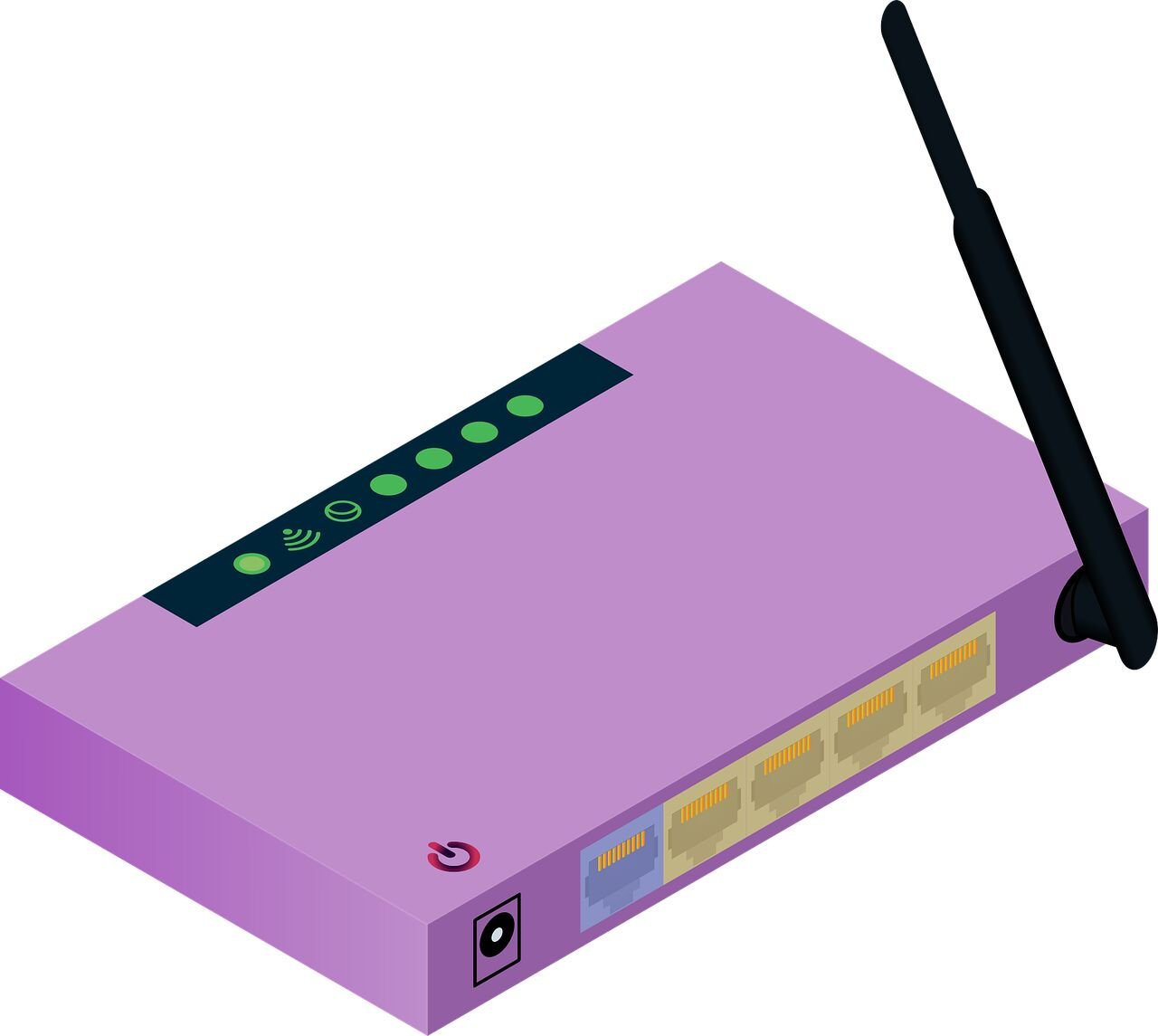
WiFi is the wireless network created by your router inside your property. It distributes the internet connection to your phone, laptop, smart TV, tablet, CCTV camera and smart home devices.
If your fibre plan is fast but your WiFi router is weak, badly placed, outdated or blocked by walls, your devices may still experience slow speeds, buffering or disconnections.
Practical tip: Before upgrading to a more expensive broadband plan, test whether the problem is your internet line or your WiFi coverage. Many “slow internet” problems are actually poor WiFi problems.
How Much Internet Speed Do You Realistically Need?
Many Malaysian households overestimate how much speed they need for daily usage. Higher speeds can be useful, especially for larger families and heavy users, but not everyone needs the fastest available plan.
Download speed affects how quickly you can stream videos, load websites, download files, update apps and watch Netflix, YouTube or Disney+ Hotstar.
Upload speed matters for video calls, cloud backups, sending large files, livestreaming, CCTV uploads and working from home.
Latency or ping measures how quickly data travels between your device and a server. Lower latency is important for online gaming, video calls and real-time applications.
Jitter refers to inconsistency in latency. Even if your average ping looks okay, high jitter can cause choppy video calls or lag spikes during gaming.
General Speed Guide for Malaysian Homes
- Small apartment or studio: A moderate fibre plan may be enough for one to two users who stream, browse and work online.
- Couple working from home: Look for stable download and upload performance, not just headline speed.
- Family with smart TVs and many devices: Higher speeds and better WiFi coverage become more important.
- Gamers: Low latency, stable ping and wired Ethernet are often more important than very high download speed.
- Content creators or heavy cloud users: Upload speed should be a major consideration.
- Large landed homes: WiFi coverage may matter more than subscribing to the highest-speed package.
For many homes, the “right” plan is not the fastest plan. It is the plan that provides enough capacity for all users, paired with a router or Mesh WiFi system that can actually deliver reliable coverage throughout the property.
Why WiFi Can Be Slow Even With Fast Fibre
If you subscribe to fibre broadband but your phone only gets weak WiFi in the bedroom, the problem may not be the internet provider. It could be the local wireless environment inside your home.
Common causes of slow WiFi include:
- Router placed in a poor location, such as inside a cabinet, behind a TV, near metal objects or in a corner of the home.
- Concrete walls and pillars, especially in condos and apartments, which weaken wireless signals.
- Too many neighbouring WiFi networks, common in high-rise buildings where many units broadcast signals close together.
- Old router technology, such as older WiFi 4 or entry-level WiFi 5 routers struggling with many devices.
- Distance from the router, especially in large landed homes or long apartment layouts.
- Device limitations, as older phones, laptops and smart TVs may not support newer WiFi standards.
- Interference from cordless phones, microwave ovens, Bluetooth devices or congested 2.4GHz networks.
This is why two households with the same fibre plan can have very different experiences. A compact condo with a centrally placed router may perform better than a larger home with the router hidden near the entrance.
2.4GHz vs 5GHz: Which WiFi Band Should You Use?
Most modern routers broadcast at least two WiFi bands: 2.4GHz and 5GHz. Some newer routers also support 6GHz through WiFi 6E or WiFi 7.
2.4GHz travels further and penetrates walls better, but it is slower and more crowded. It is suitable for smart home devices, older equipment and areas further from the router.
5GHz is faster and less congested, but it has shorter range and weaker wall penetration. It is better for streaming, video calls, gaming and laptops near the router.
6GHz, available with WiFi 6E and WiFi 7 devices, offers more wireless capacity and less congestion, but range is shorter and device compatibility is still more limited.
In practical terms, if you are near the router, 5GHz is usually better. If you are far away or behind several walls, 2.4GHz may be more stable, even if it is slower.
WiFi 5, WiFi 6, WiFi 6E and WiFi 7 Explained Simply
WiFi standards describe the technology used by your router and devices. Newer standards usually improve capacity, efficiency and performance, especially when many devices are connected.
| WiFi Standard | What It Means | Best For | Things to Consider |
|---|---|---|---|
| WiFi 5 | Common older modern standard using mainly 5GHz | Basic to moderate home use, smaller condos, fewer devices | May struggle in busy homes with many connected devices |
| WiFi 6 | Improved efficiency and performance for multiple devices | Families, home offices, smart homes, gaming and streaming | Good balance of compatibility and value |
| WiFi 6E | Adds access to the 6GHz band where supported | Users with newer phones, laptops and high-performance needs | 6GHz range is shorter and requires compatible devices |
| WiFi 7 | Newest generation with higher capacity and advanced features | Power users, large homes, future-ready setups | Devices and routers may be more expensive; benefits depend on compatibility |
A WiFi 7 router is not automatically the best choice for every household. If your devices only support WiFi 5 or WiFi 6, and your home is small, a good WiFi 6 router may offer better value than an expensive top-end model.
How Property Type Affects Internet and WiFi Performance
Condos and Apartments
High-rise properties in Kuala Lumpur and Selangor often have unique connectivity issues. Even if fibre is available in the building, your actual WiFi performance depends heavily on unit layout and router location.
Concrete walls, lift shafts, structural columns and bathrooms can weaken wireless signals. Long or irregular layouts can create dead zones in bedrooms or study corners. In dense buildings, many neighbouring WiFi networks can also cause congestion, especially on the 2.4GHz band.
Router placement is especially important in condos. If the fibre termination point is near the entrance, the router may be located far from the living room or bedrooms. This can make the plan feel slow even if the fibre line itself is working properly.
Management rules may also affect installation. Some buildings have specific fibre providers, shared risers, installation procedures or restrictions on cabling. Before signing up, check whether your unit is fibre-ready and whether the provider can serve your exact address and unit number.
Landed Homes
Terrace houses, semi-Ds and bungalows usually face a different problem: coverage area. A double-storey terrace house may have good WiFi downstairs but poor signal upstairs. A semi-D or bungalow may need coverage for multiple rooms, outdoor areas, CCTV points, kitchens, gardens or home offices.
Thick walls, reinforced concrete floors and long distances reduce WiFi strength. In these homes, Mesh WiFi or Ethernet cabling can make a bigger difference than simply upgrading to a faster broadband plan.
If possible, Ethernet backhaul is ideal for Mesh WiFi in larger landed homes. This means connecting Mesh nodes using LAN cables instead of relying only on wireless links between nodes. It can improve stability and reduce speed loss between floors.
When a Better Router Makes Sense
The router supplied with a broadband plan may be sufficient for basic use, but it may not be ideal for every home. Upgrading your router can make sense if your current router is old, unstable, lacks coverage, or cannot handle many devices.
Consider a better router if:
- Your WiFi drops frequently even near the router.
- You have many devices connected at the same time.
- Your home office video calls are unstable.
- Your current router only supports older WiFi standards.
- You need better parental controls or guest WiFi features.
- You want stronger security features and easier app-based management.
- You have subscribed to a higher-speed plan but your router cannot keep up.
When comparing routers, do not look only at advertised maximum speed. Also consider coverage, WiFi standard, processor capability, number of Ethernet ports, ease of setup, firmware updates, security features, parental controls and whether it suits your home size.
Mesh WiFi vs WiFi Extender: Which One Should You Choose?
Mesh WiFi and WiFi extenders both aim to improve coverage, but they work differently.
A WiFi extender repeats your existing WiFi signal. It can be useful for fixing one weak area, such as a bedroom or study room, but performance depends on where the extender is placed. If the extender receives a weak signal, it will repeat a weak signal.
Mesh WiFi uses multiple nodes that work together as one network. It is usually better for larger homes, double-storey layouts and properties with multiple dead zones. Mesh systems are also generally easier to roam across because your device can move between nodes under the same network name.
| Option | Suitable For | Advantages | Limitations |
|---|---|---|---|
| WiFi Extender | Small homes or one specific dead zone | Lower cost, simple to install, useful for light usage areas | Can reduce speed, placement is critical, may create separate network names |
| Mesh WiFi | Condos with multiple dead zones, double-storey homes, larger landed properties | Better whole-home coverage, easier roaming, scalable with more nodes | Higher cost, performance depends on node placement and backhaul quality |
| Mesh with Ethernet Backhaul | Larger landed homes or renovated homes with LAN cabling | More stable, better speeds between nodes, suitable for heavy usage | Requires Ethernet wiring or proper cabling plan |
For a small condo with one weak bedroom, an extender may be enough. For a double-storey terrace house with weak upstairs coverage, Mesh WiFi is usually the more practical solution. For a bungalow or large semi-D, Mesh with Ethernet backhaul is worth considering.
Fibre Broadband vs 5G Home Broadband
In Malaysia, fibre broadband is generally the preferred fixed home internet option where available because it is designed for stable home connectivity. However, 5G home broadband can be useful in certain situations, especially for rental properties, temporary stays or homes without fibre access.
Fibre broadband uses a physical fibre connection to your home. It is usually better for households that need stable performance, lower latency, unlimited or high data usage, online gaming, video calls and multiple users.
5G home broadband uses a mobile network through a 5G router or modem. It can be easier to install and may be useful when fibre installation is not possible, but performance depends on signal strength, network congestion, indoor reception and location.
| Connection Type | Best For | Strengths | Things to Check |
|---|---|---|---|
| Fibre Broadband | Permanent homes, families, home offices, gamers, heavy streaming | Stable connection, suitable for high usage, generally lower latency | Availability by building or street, installation appointment, contract terms |
| 5G Home Broadband | Rental homes, temporary setups, areas without fibre, users needing faster installation | No fibre cabling needed, flexible placement, useful where coverage is strong | 5G coverage, indoor signal, data policy, congestion, contract and device terms |
Do not assume 5G will always be faster or slower than fibre. It depends on location, signal quality, network load and the equipment used. If you are considering 5G home broadband, test coverage at your actual property, not just the general area.
How to Compare Broadband Plans Properly
When comparing Malaysian broadband plans, avoid choosing based only on the advertised download speed. Look at the full package and read the terms carefully.
Important items to compare include:
- Download speed: Useful for streaming, browsing and downloads.
- Upload speed: Important for video calls, cloud storage, CCTV and work-from-home usage.
- Contract period: Many fixed broadband plans come with a contract, commonly 24 months, but always check current official terms.
- Installation fees: Some promotions may waive certain fees, while others may not.
- Router included: Check whether the supplied router supports WiFi 5, WiFi 6 or better.
- Mesh add-ons: Some providers offer Mesh bundles, but compare total cost and hardware specifications.
- Promotional vs normal pricing: A discounted monthly fee may apply only for a limited period before reverting to the normal price.
- Coverage: Availability can differ by condo, apartment block, landed street or even unit.
- Customer support and service process: Consider installation support, troubleshooting channels and service restoration process.
For current prices, promotions and plan details, always refer to the official provider websites or authorised sales channels. Broadband offers can change, and availability may depend on your exact address.
TIME, Unifi, Maxis, CelcomDigi and Other Providers: How to Think About Choice
Malaysia has several broadband providers, and the right choice depends on your property and usage. TIME is commonly associated with many high-rise buildings, while Unifi has wide national fibre coverage. Maxis Fibre, CelcomDigi Fibre and other providers may also be available depending on infrastructure and location.
However, availability is not universal. A provider may serve one condo but not the next building. In landed areas, coverage may differ by street or phase. In some developments, building management may have specific arrangements or installation requirements.
Instead of asking “which provider is best?”, ask:
- Which providers are available at my exact address and unit?
- What speeds and upload speeds are offered?
- What is the monthly fee after any promotion ends?
- Is the plan tied to a contract?
- What router is included?
- Can I use my own router or Mesh system?
- Are there installation charges, relocation charges or early termination fees?
- How quickly can installation be arranged?
- New Condo Projects in Kuala Lumpur
- Condo for Sale in Kuala Lumpur
- Condo for Rent in Kuala Lumpur
- Landed Homes & Shop Lots for Sale
- Browse Properties by Area
- Property Buying Guides & Tips
- Find Property Agents
- Find Homeowner Insurance Agent
- Property in KLCC
- Property in Mont Kiara
- Property in Bangsar
- Property in Sri Hartamas
- Property in Bukit Jalil
- Property in Cheras
- Property in Setapak
- Property in Petaling Jaya
- Property in Subang Jaya
🏙️ Explore Kuala Lumpur Properties
📍 Browse Properties by Location
⚠️ Disclaimer
The information provided in this article is for general educational and informational purposes only. While we strive to keep property information accurate and up to date, availability, pricing, specifications, and promotions may change without prior notice.
This content should not be considered legal, financial, investment, or mortgage advice. Readers are encouraged to verify all information directly with property developers, property owners, licensed real estate agents, financial institutions, or relevant authorities before making any purchasing or rental decisions.
KLCondo.com.my is an independent property information platform and is not responsible for any losses arising from the use of information published on this website.
