
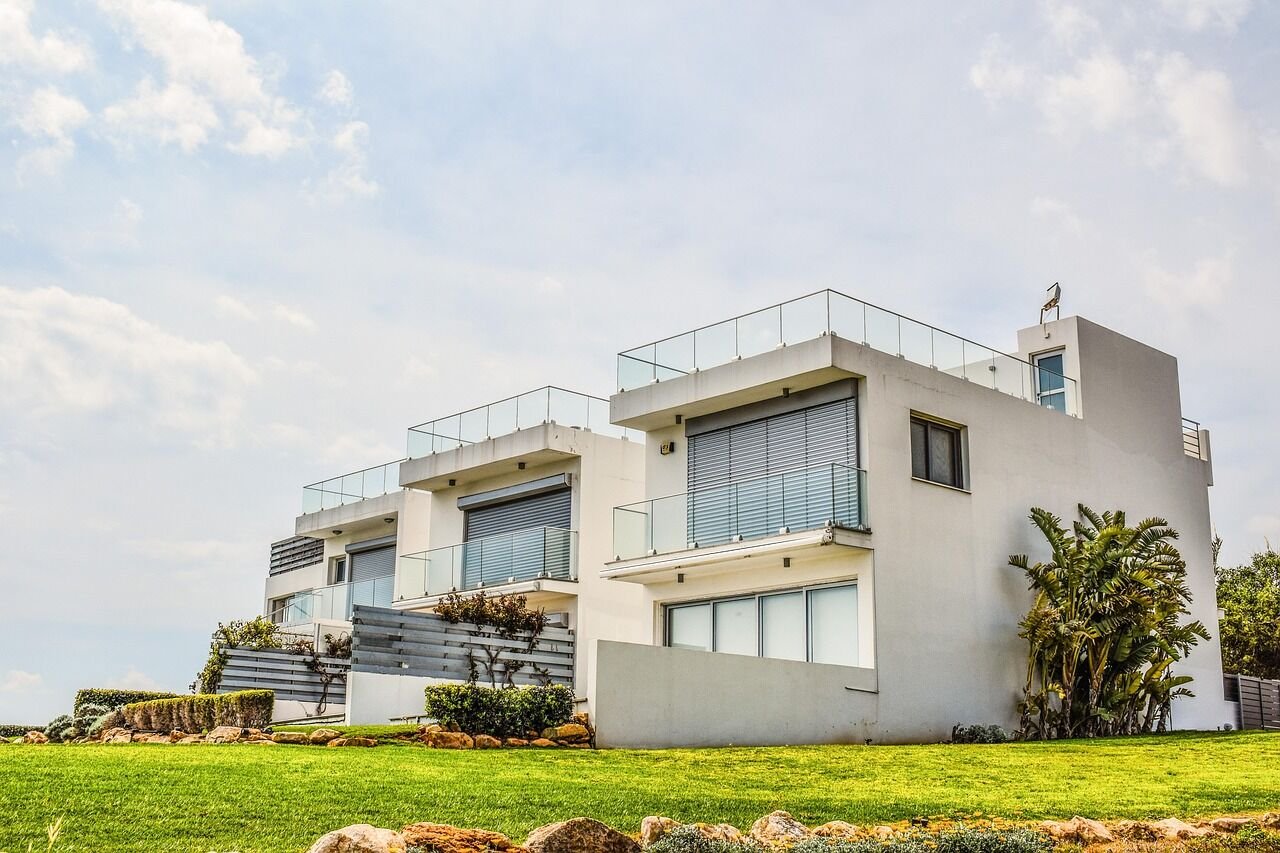
Area Guide: Taman Tun Dr Ismail (TTDI), Kuala Lumpur
Taman Tun Dr Ismail, better known as TTDI, is a mature, predominantly residential neighbourhood on the border of Kuala Lumpur and Petaling Jaya. It has long been popular with upper-middle-class families and professionals who value quiet streets, greenery, and a strong community feel. In recent years, new condominiums and the MRT have also made TTDI more interesting for investors and younger tenants.
This guide focuses on what it is really like to live in TTDI today, how the property market is evolving, and whether the area fits your lifestyle or investment goals compared with areas like KLCC, Mont Kiara, Bangsar, Cheras, Setapak, and Desa ParkCity.
“In Kuala Lumpur, choosing the right neighbourhood often matters as much as choosing the right property.”
Location and Overall Character
TTDI sits on the north-western side of Kuala Lumpur, adjacent to Bandar Utama and Damansara Utama (Uptown) in Petaling Jaya. While administrative boundaries can be confusing, residents usually treat TTDI as part of the larger Damansara–PJ–KL lifestyle belt, with easy access to both KL city and PJ commercial hubs.
The neighbourhood is known for its low-rise, leafy environment dominated by landed homes, with pockets of older and newer condominiums. Compared with KLCC or Setapak, TTDI feels lower density and more suburban; compared with Mont Kiara or Bangsar, it is less high-rise and slightly quieter at night.
The overall vibe is: established, residential, and community-oriented rather than trendy or tourist-driven.
Connectivity and Transport
Transport is one of TTDI’s biggest practical advantages. It is served by the MRT Kajang Line via the TTDI station, which links directly to key Kuala Lumpur locations including Muzium Negara (for KL Sentral), Pasar Seni (for Chinatown), and Bukit Bintang. For non-drivers, this makes commuting to central KL significantly more realistic than it used to be.
By car, TTDI has access to several major highways: the LDP, SPRINT, Penchala Link, and NKVE. This network allows relatively quick links to Mont Kiara, Desa ParkCity, and Damansara Heights, although peak-hour congestion is common. Travel times to KLCC can range from 20 to 45 minutes depending on traffic and route.
Compared with Cheras or Setapak, TTDI’s highway connectivity to both KL and PJ employment centres is a major draw. However, internal roads can be narrow, and street parking pressures are noticeable near commercial areas and older condos.
Lifestyle: Daily Convenience and Amenities
TTDI offers most daily needs within a few minutes’ drive or a short walk, especially around Jalan Tun Mohd Fuad and the commercial blocks close to the MRT. You will find supermarkets, pharmacies, clinics, banks, and a broad mix of eateries ranging from kopitiams to boutique cafés.
Grocery options include major supermarket chains in TTDI itself and large hypermarkets and malls in nearby Bandar Utama (1 Utama Shopping Centre) and Mutiara Damansara (The Curve, IKEA). For residents, this cluster of retail choices is more than sufficient for weekly living without needing to head into central Kuala Lumpur.
In terms of everyday convenience, TTDI is comparable to Bangsar and Mont Kiara, but with a slightly less international and more local-family flavour.
Cafés, Food and Nightlife
TTDI is well-known in KL’s café and F&B scene, with a mixture of long-standing local restaurants, mamaks, and a constantly rotating selection of specialty coffee shops and bakeries. The concentration of eateries around the main commercial streets gives the area a low-key but lively atmosphere, especially on weekends.
The food culture is less touristy than KLCC and more local than Mont Kiara’s expatriate-focused outlets. Alcohol-serving venues exist but are relatively modest, so TTDI does not have the same bar density or late-night feel as Bangsar. For many residents, that is a positive: you get dining variety without heavy nightlife noise.
If nightlife is a priority, you may still head to Bangsar, Changkat Bukit Bintang, or KLCC, but for everyday dinners and café-hopping, TTDI is self-sufficient.
Parks, Greenery and Outdoor Lifestyle
One of TTDI’s highlights is access to green spaces. The most notable is the adjacent Bukit Kiara area, popular with hikers, joggers, and cyclists. There are also neighbourhood parks and playgrounds scattered across TTDI’s residential pockets.
While Desa ParkCity is still the benchmark for integrated park-centric condo living in Kuala Lumpur, TTDI offers something different: a mature suburban layout with actual trees, older large plots, and easy access to nature trails. For residents who enjoy morning walks or jogging without driving far, this is a genuine lifestyle advantage.
Families and health-conscious professionals often cite the “green, breathable feel” as one of TTDI’s main reasons to stay long-term.
Who TTDI Suits Best
- Families who want good schools nearby, quiet streets, and easy access to green spaces.
- Professionals working in KL or PJ who want MRT access but prefer a calmer residential base than KLCC or Setapak.
- Owner-occupiers who value community feel and long-term comfort more than high-rise facilities or a “new launch” image.
- Investors targeting stable rental demand from professionals and families, rather than short-stay or tourist markets.
- Upgraders from Cheras or other suburbs seeking a more central-west KL location without going fully “city centre”.
Property Types and Market Overview
TTDI is historically a landed neighbourhood, with a large stock of two-storey terraced houses, semi-Ds, and bungalows. Condominium developments are fewer than in Mont Kiara or KLCC, but they have grown steadily over the last 10–15 years, especially along the edges closer to highways and the MRT.
Older condos tend to be lower density, larger in size, and built in a more traditional style with basic facilities. Newer projects are more modern, higher density, and aim to capture demand from younger professionals and small families. The result is a mix of price points and living styles within a relatively small area.
Landed homes tend to be priced for owner-occupiers, while condominiums provide the more accessible entry point for both buyers and tenants.
Price Levels: TTDI vs Other KL Areas
In 2026, TTDI generally sits in the upper-middle bracket of Kuala Lumpur property prices, though still below prime KLCC condominiums and select Mont Kiara luxury towers. Landed prices have appreciated over decades, driven by scarcity and the neighbourhood’s reputation.
Condos in TTDI typically command higher prices per square foot than those in more mass-market areas like Cheras or Setapak, but offer a calmer, more established environment. Compared with Bangsar, TTDI can be slightly cheaper or similar, depending on the specific project and age of the building.
Rental yields are moderate rather than high; the area’s strength lies in stability rather than speculative spikes.
| Factor | Observation | Impact |
|---|---|---|
| Purchase price (condos) | Generally higher than Cheras/Setapak, lower than top-tier KLCC/Mont Kiara projects | Appeals to mid–upper segment buyers; entry cost manageable for professionals |
| Rental yields | Typically moderate, not “high-yield”; stable, long-term tenancies | Better suited to investors seeking steady occupancy rather than aggressive cashflow |
| Tenant profile | Professionals, small families, some expatriates (PJ/KL-based) | Lower risk of rapid tenant turnover compared with tourist-centric locations |
| Future supply | Limited land for large new condo clusters within core TTDI | Helps support values but caps huge growth in high-rise stock |
| Connectivity | MRT + multiple highways, but prone to peak congestion | Supports both own-stay and rental demand; driving experience varies by time of day |
Rental Demand: Who Rents in TTDI?
Rental demand in TTDI tends to be steady rather than speculative. Typical tenants include professionals working in Damansara Heights, KL city, or PJ offices; families who want access to schools and parks; and some expatriates who prefer a quieter, more local environment than Mont Kiara.
Condos near the MRT station and main commercial areas naturally see more rental enquiries. Older, larger units can attract multi-generational families or groups sharing, while newer, smaller units suit young couples or single professionals. Compared with KLCC, the tenant base is more long-term oriented and less dependent on tourism or short-stay platforms.
Vacancy risk is relatively manageable if units are well-maintained, realistically priced, and located near amenities or transit.
Living Experience: Noise, Traffic and Density
Inside the residential streets, TTDI is generally quiet, with limited through-traffic. Most noise issues are concentrated around commercial zones and major roads, where F&B outlets and vehicles can create some evening activity. This is still mild compared with nightlife-heavy Bangsar or entertainment zones in central Kuala Lumpur.
Traffic congestion is a common concern on entry and exit routes, especially during weekday peak hours and weekends near large malls. Residents who commute by MRT can partially avoid this, but car-dependent households will need to plan around peak times. Street parking near older shops and condos can be tight.
Density in TTDI feels lower than Mont Kiara or parts of Cheras and Setapak. High-rise clusters exist but are not yet overwhelming the original landed layout, which helps preserve the area’s established, low- to mid-density character.
Community, Demographics and Safety
TTDI’s population includes a mix of long-time residents and newer, younger households. There is a noticeable middle-class and upper-middle-class profile, with a relatively strong neighbourhood identity compared with more transient areas around KLCC.
Community groups, local initiatives, and residents’ associations are active, especially around issues like traffic, greenery, and public spaces. This contributes to a sense of oversight and indirectly supports perceived safety. While crime exists as in any Kuala Lumpur neighbourhood, TTDI is generally regarded as reasonably safe, particularly within its landed precincts.
For many owner-occupiers, the “feel” of TTDI as a lived-in, community-rooted area is as important as its location metrics.
Comparisons with Other Popular KL Neighbourhoods
Compared with KLCC, TTDI offers a calmer, more residential experience with fewer high-rise icons and less tourist traffic. Prices are lower, but so is the potential for very high-end capital appreciation tied to international demand.
Versus Mont Kiara, TTDI feels more Malaysian-local and less expatriate-oriented. Mont Kiara has a stronger cluster of high-rise condos, international schools, and expat-focused amenities; TTDI counters with landed streets, greenery, and a more mixed demographic.
Against Bangsar, TTDI is slightly quieter and often appealed to by those who want the cafe lifestyle without as much nightlife or bar activity. Compared with Cheras and Setapak, TTDI’s pricing, demographics, and density profile push it into a different segment, targeting buyers with higher budgets and different lifestyle expectations. Desa ParkCity remains more master-planned and park-centric, while TTDI feels more organic and traditional in layout.
Suitability for Buyers vs Investors
For own-stay buyers, TTDI suits those who prioritise liveability, community, and location convenience over flashy facilities or branded residences. Landed homes are especially attractive to families who plan to stay long-term, while condos provide options for smaller households who like the area but not the upkeep of landed property.
For investors, TTDI is more about holding a stable, well-located asset than chasing high short-term yields. Entry costs, especially for landed homes, are significant, and gross yields may be lower than in more mass-market rental areas. However, long-term occupier demand and limited new supply help support values.
If your strategy relies on short-stay rentals, heavy tourist traffic, or very high yields, TTDI is less likely to be ideal compared with KLCC or certain downtown pockets.
Practical Considerations Before Choosing TTDI
Prospective residents should consider how often they need to drive into central Kuala Lumpur during peak hours, and whether the MRT can realistically substitute some car usage. Those who are sensitive to traffic congestion may want to test typical commute times at their usual working hours.
Buyers should also weigh the age and maintenance level of older condominiums versus the smaller sizes and higher PSF of newer builds. In some cases, a well-maintained older condo with good management offers more space and comfort for a similar or lower price. Rental investors must be realistic about achievable rents in RM and manageable vacancy periods.
Finally, appreciate that TTDI’s strengths—greenery, landed character, and community feel—are not easily replicated. If these aspects align with your priorities, the area tends to “grow” on residents over time.
Frequently Asked Questions (FAQ)
1. Is TTDI a good place to live for daily commuting into central KL?
Yes, provided you are realistic about peak-hour traffic. The MRT Kajang Line from TTDI to central KL (Pasar Seni, Bukit Bintang) is a strong advantage for non-drivers. By car, journey times to KLCC and other city-centre locations vary significantly depending on traffic and route, typically ranging between 20–45 minutes.
2. How strong is rental demand for condominiums in TTDI?
Rental demand is steady and supported by professionals and families working in KL and PJ offices. Condos near the MRT and main commercial streets see the most consistent interest. Yields in RM terms are moderate, not exceptionally high, but occupancy tends to be stable for well-maintained units priced in line with market expectations.
3. Are property prices in TTDI considered expensive?
By wider Kuala Lumpur standards, TTDI falls on the higher side of the price spectrum, especially for landed properties. Condos are more accessible but still command a premium over mass-market suburban areas such as parts of Cheras and Setapak. However, TTDI is generally cheaper than trophy KLCC properties and certain luxury Mont Kiara developments.
4. Is TTDI more suitable for own-stay buyers or pure investors?
TTDI is particularly well-suited to own-stay buyers who value long-term liveability, greenery, and community. For investors, it works best as a stable, mid- to long-term hold rather than a speculative or high-yield play. Those seeking strong short-stay or tourist-driven rental income may find downtown Kuala Lumpur locations more suitable.
5. How does TTDI compare with Mont Kiara or Desa ParkCity for family living?
TTDI offers a more traditional suburban feel with many landed homes and access to Bukit Kiara greenery, whereas Mont Kiara and Desa ParkCity lean more towards integrated high-rise and master-planned environments. Mont Kiara has a stronger expatriate presence and international schools; Desa ParkCity is very park-oriented with a cohesive township layout. TTDI appeals to families preferring a mature, organic neighbourhood with a strong local flavour.
This article is for educational and market understanding purposes only and does not constitute financial, property, or investment advice.
