
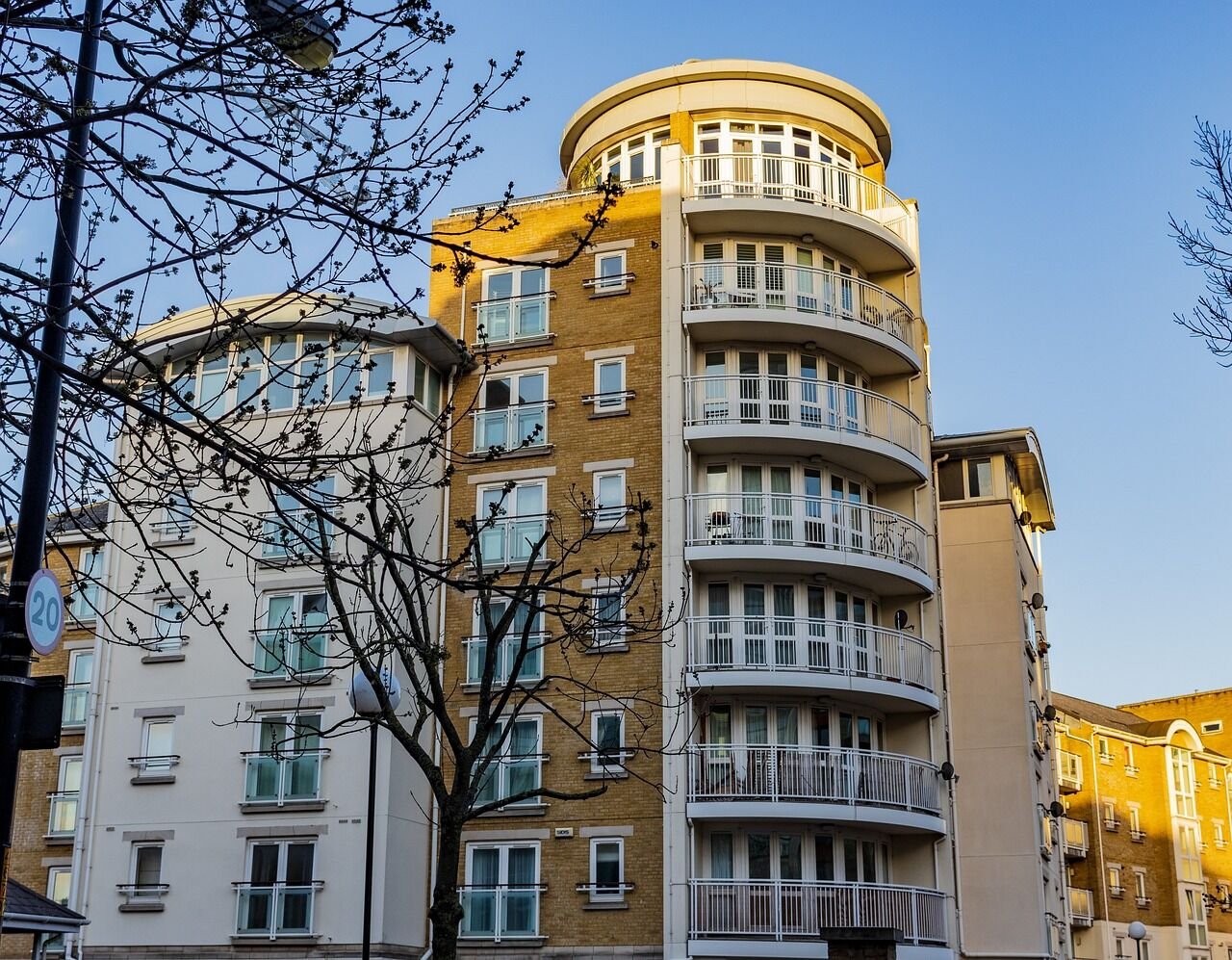
Smart Energy-Saving Upgrades for KL & Selangor Homes: Practical Guide for Condo & Terrace Owners
Electricity bills in Kuala Lumpur and Selangor have been steadily rising, especially for urban households that rely on air-conditioning, water heaters, and constant device charging. At the same time, more young professionals and environmentally conscious homeowners are looking for ways to live comfortably while lowering their carbon footprint.
This guide focuses on realistic, smart energy-saving upgrades that work in real KL and Selangor homes — from compact condos in the city to terrace houses in the suburbs. The goal is to help you reduce electricity usage, control long-term costs, and upgrade your home step by step without breaking your budget.
“Sustainable living in urban Malaysia is no longer only about environmental awareness — many homeowners now focus equally on reducing long-term living costs.”
Why Smart Energy-Saving Matters in Urban Malaysia
Urban homes in Kuala Lumpur and Selangor typically have high energy use from air-conditioning, lighting, refrigerators, and entertainment systems. Many condos also run 24/7 common-area lighting, lifts, and pumps that contribute to maintenance fees.
With changing electricity tariffs and hotter weather, every small efficiency gain can add up to noticeable monthly savings. At the same time, green-certified buildings and energy-efficient homes are increasingly attractive to tenants and buyers in KL’s competitive property market.
For young professionals, smart upgrades can provide both convenience and savings. For families and long-term homeowners, they support better comfort and long-term property value.
Condos vs Terrace Houses: Different Challenges, Same Goals
Energy-saving strategies differ slightly between condos and terrace houses, mainly because of space, sunlight access, and renovation limits. But the core idea is the same: reduce waste, automate where it makes sense, and choose efficient appliances.
Condos in Kuala Lumpur & Selangor
Many condos, especially in KL city centre, have limited space and strict renovation rules. You might not be able to install rooftop solar or do major external insulation work. However, you can still make strong progress with:
- Smart switches and smart plugs for lights and appliances
- Energy-efficient air-conditioners for bedrooms and living areas
- Window films and curtains to cut heat from afternoon sun
- Smart water heater controls to avoid heating water all day
Condo residents often spend more time indoors due to urban lifestyles, so small efficiency tweaks in a compact space can create meaningful savings.
Terrace Houses in KL & Selangor
Terrace houses usually have more roof area and slightly more freedom for upgrades. This opens the door for options like solar panels, solar water heaters, better roof insulation, and EV charging inside your porch or car porch area.
Because terrace houses typically have more built-up area, they also have higher potential consumption — and higher potential savings, especially if you use multiple air-conditioning units or have a larger household.
Rising Electricity Costs: What It Means for Your Home
Even if tariffs do not jump suddenly, lifestyle changes in urban Malaysia drive bills up: more devices, more remote work, and more cooling needed during hotter months. Kuala Lumpur high-rise living can also encourage all-day air-conditioning, especially in west-facing units.
This makes it important to think in terms of long-term cost per year, not just purchase price. An energy-efficient air-conditioner, smart timer, or LED lighting might cost more upfront, but can pay back the difference in a few years and continue saving beyond that.
Smart Eco-Living Upgrades Checklist for KL & Selangor Homes
Here is a practical checklist you can use to plan upgrades for your condo or terrace house over 6–24 months, depending on your budget.
- Lighting: Replace remaining CFL or traditional bulbs with LEDs, especially in areas used for long hours (living room, kitchen, corridors).
- Air-conditioning: Upgrade old units to inverter models with 5-star energy rating where feasible; clean filters regularly.
- Smart controls: Add smart plugs, timers, or basic smart home hubs for air-cons, water heaters, and media devices.
- Water heating: Use instant water heaters with efficient ratings or consider solar water heaters for terrace houses.
- Heat management: Use reflective blinds, insulated curtains, and window films on west-facing windows.
- Appliance choices: When replacing, choose refrigerators, washing machines, and TVs with strong energy ratings.
- Standby power: Use master switches or smart plugs to cut off TVs, consoles, and entertainment systems when not in use.
- Solar (where possible): For landed homes, explore rooftop solar packages that match your daytime usage.
- EV readiness: If you own or plan to own an EV, understand your condo’s or terrace house’s charging possibilities early.
You don’t need to do everything at once. Small, well-planned changes can smooth out the impact of rising electricity costs over the next 5–10 years.
Smart Devices and How Much Electricity They Can Save
Smart devices are not just for tech enthusiasts. In dense urban areas like Kuala Lumpur, they are becoming a practical way to control usage and avoid waste, especially when nobody is home.
Smart Plugs & Smart Switches
Smart plugs let you schedule or remotely switch off non-essential appliances like TV consoles, routers (at night), decorative lights, and some kitchen devices. In many KL condos, entertainment devices are left on standby 24/7, quietly adding to the bill.
By cutting standby and unnecessary use, smart plugs and switches can typically reduce the consumption of certain devices by 10–30%, depending on your habits. The savings are not dramatic per device, but across multiple points and over years, they help offset rising tariffs.
Smart Air-Conditioner Controls
Smart AC controllers or Wi-Fi-enabled air-conditioners allow scheduling, remote control, and temperature optimisation. You can ensure the unit switches off after you leave, or pre-cool a room slightly before you get home without running it all afternoon.
If your habit is to leave air-cons running longer than needed, smart controls can bring down air-con energy use by around 10–20% in realistic urban routines. This is especially meaningful in Kuala Lumpur apartments where air-con is the single largest contributor to the bill.
Smart Water Heater Timers
Many Malaysian homes keep their storage water heaters on for too long, especially in older condos. A simple smart timer or smart switch lets you power these heaters only during certain hours, such as morning and evening.
For households that previously left heaters on all day, time-based control can dramatically reduce waste, since heating water is energy intensive. Even instant heaters benefit indirectly when you encourage shorter, more efficient use.
Are Solar Panels Worth It in Malaysia?
Thanks to our sunny climate, rooftop solar is an attractive option — but mainly for terrace houses and some low-rise landed homes in Selangor and the outskirts of Kuala Lumpur. Condos usually do not allow individual owners to install rooftop solar, as the roof is common property.
For landed property owners, solar is a medium to long-term investment. The payback depends on your daytime usage, system size, and financing. You will not reach “zero bills” for most normal households, but you can reduce your electricity charges over time and hedge against future tariff increases.
EV Ownership and Condo Charging Challenges
EV ownership in Kuala Lumpur and Selangor is growing as more brands enter the market and more young professionals choose EVs for lower running costs and environmental reasons. However, charging is still a major concern, especially for condo residents.
Many condos were not originally designed with EV charging in mind. Residents may face issues like limited electrical capacity, lack of dedicated parking, or unclear policies. Even when management is supportive, upgrading electrical infrastructure can be complex and costly.
Some buildings are now adding community chargers in visitor or designated bays, but this might not be convenient for daily use. This is one reason why green-certified buildings and newer developments that plan for EV readiness are becoming more attractive to urban buyers.
Green-Certified Buildings and the Future of Urban Living
In Kuala Lumpur’s property market, green-certified buildings are no longer just a niche. Developers increasingly promote features like better insulation, efficient lifts, LED common-area lighting, rainwater harvesting, and EV charging capability as part of their selling points.
For residents, this can translate into lower maintenance costs, more comfortable indoor environments, and better long-term property appeal. Environmentally conscious homeowners and tenants are starting to view energy efficiency as a standard expectation, not a luxury.
Even if you do not live in a certified building, you can still “retrofit” your unit with eco-friendly upgrades to enjoy similar benefits on a smaller scale.
Cost vs Benefit: Typical Urban Home Upgrades
The table below outlines some common smart and eco-friendly upgrades suitable for KL and Selangor households, with rough cost and benefit ranges. Actual numbers will vary, but this gives a sense of what is realistic.
| Solution | Estimated Cost (RM) | Potential Benefit |
|---|---|---|
| Switch to LED lighting (entire condo) | RM150–RM400 | Lower lighting usage by up to 50–70% vs older bulbs; often noticeable on bills for units with many lights on nightly. |
| Smart plugs & switches (5–8 key points) | RM200–RM600 | Reduce standby and idle usage for entertainment systems and small appliances; better control when away from home. |
| Upgrade to inverter air-con (1–2 rooms) | RM1,200–RM3,000 per unit | More efficient cooling with potential 15–30% energy savings vs very old non-inverter units, depending on usage. |
| Window films & thermal curtains (condo) | RM400–RM1,200 | Lower indoor heat gain, allowing higher air-con temperature settings and fewer cooling hours. |
| Rooftop solar (terrace house) | RM10,000–RM25,000+ | Long-term reduction of electricity charges; strongest value when you have higher daytime usage. |
| EV home charger (landed) | RM3,000–RM7,000+ | Convenient overnight charging, lower “fuel” cost per km vs petrol, but depends on your driving patterns. |
Note: Savings depend heavily on lifestyle and current efficiency level. The biggest gains usually come from air-conditioning behaviour, water heating, and major appliance choices.
Everyday Behaviour Changes That Multiply Your Savings
Technology helps, but habits still matter. For busy urban households, the most reliable changes are those you can automate or simplify so you do not need to remember them daily.
Examples include:
Using smart scenes to turn off all living room devices with one command or one tap. Setting air-con to 24–26°C instead of 18–20°C and using fans to feel cooler. Scheduling storage heaters to only run 1–2 hours before showers, not the whole day.
Over months, these small shifts can align your lifestyle with your smart upgrades, ensuring you get the most value from every ringgit spent.
FAQs: Smart, Sustainable Living in KL & Selangor
1. Are solar panels really worth it in Malaysia?
Solar panels can be worth it for terrace houses and landed homes in Selangor and the outskirts of Kuala Lumpur, especially if you have steady daytime electricity use and plan to stay for the long term. They are generally not an option for individual condo units because the roof is shared property.
When evaluating, consider your current bill, available roof space, and whether you can benefit from net energy metering schemes. For many landed homeowners, solar is less about instant savings and more about stabilising long-term costs and using cleaner energy.
2. Can condos support EV charging for residents?
Some newer or upgraded condos in Kuala Lumpur and Selangor do support EV charging, but many older buildings were not designed for it. Whether you can charge easily depends on the building’s electrical capacity, wiring layout, and management policies.
In some cases, management may install shared chargers in common areas rather than allowing individual chargers in every bay. As demand for EVs grows, buildings that can offer convenient and fair EV charging options will have an advantage in attracting residents.
3. How much electricity can smart devices actually save?
Smart devices alone will not cut your bill in half, but when used properly they can produce meaningful, steady savings. For example, smart plugs and timers can reduce standby and idle usage, while smart air-con controllers can trim unnecessary cooling hours.
In a realistic Kuala Lumpur condo or terrace house, smart controls might contribute around 10–20% savings on specific loads like air-conditioning or entertainment systems, mainly by avoiding waste. The biggest value is that they make efficient habits easier to maintain over time.
4. Are eco-friendly home upgrades very expensive?
Not all eco-friendly upgrades are costly. Some of the most cost-effective steps — like switching to LED bulbs, using smart plugs, or improving curtains and window films — are relatively affordable and can start with just a few hundred ringgit.
Larger investments like inverter air-conditioners, rooftop solar, and EV chargers require more planning and budget. The key is to prioritise upgrades that tackle your biggest energy users first, so you get the strongest long-term return for each RM spent.
5. Do smart and green features increase property value?
While it depends on area and market conditions, buyers and tenants in Kuala Lumpur and Selangor are becoming more aware of running costs and comfort levels. Energy-efficient air-conditioning, good natural light control, and EV readiness can make your property more attractive compared to similar units without such features.
At the very least, these upgrades help your home stand out to environmentally conscious homeowners and young professionals who prioritise lower monthly costs and sustainable living.
Final Thoughts: Building a Smarter, Greener Urban Lifestyle
Urban living in Kuala Lumpur and Selangor will continue to evolve, with more EVs on the road, more digital work lifestyles, and stronger demand for green-certified, energy-efficient homes. Rather than waiting for big changes, you can start with manageable upgrades that suit your current space and budget.
Whether you live in a compact condo or a larger terrace house, the combination of smart technology, efficient appliances, and better daily habits can steadily reduce your electricity usage and monthly bills. Over time, these decisions also support a more sustainable city environment for everyone.
Small eco-friendly upgrades often make a bigger difference over time than many homeowners initially expect, especially in urban households with rising utility costs.
This article is for educational and general sustainability awareness only and does not constitute professional engineering, financial, or environmental advice.
