
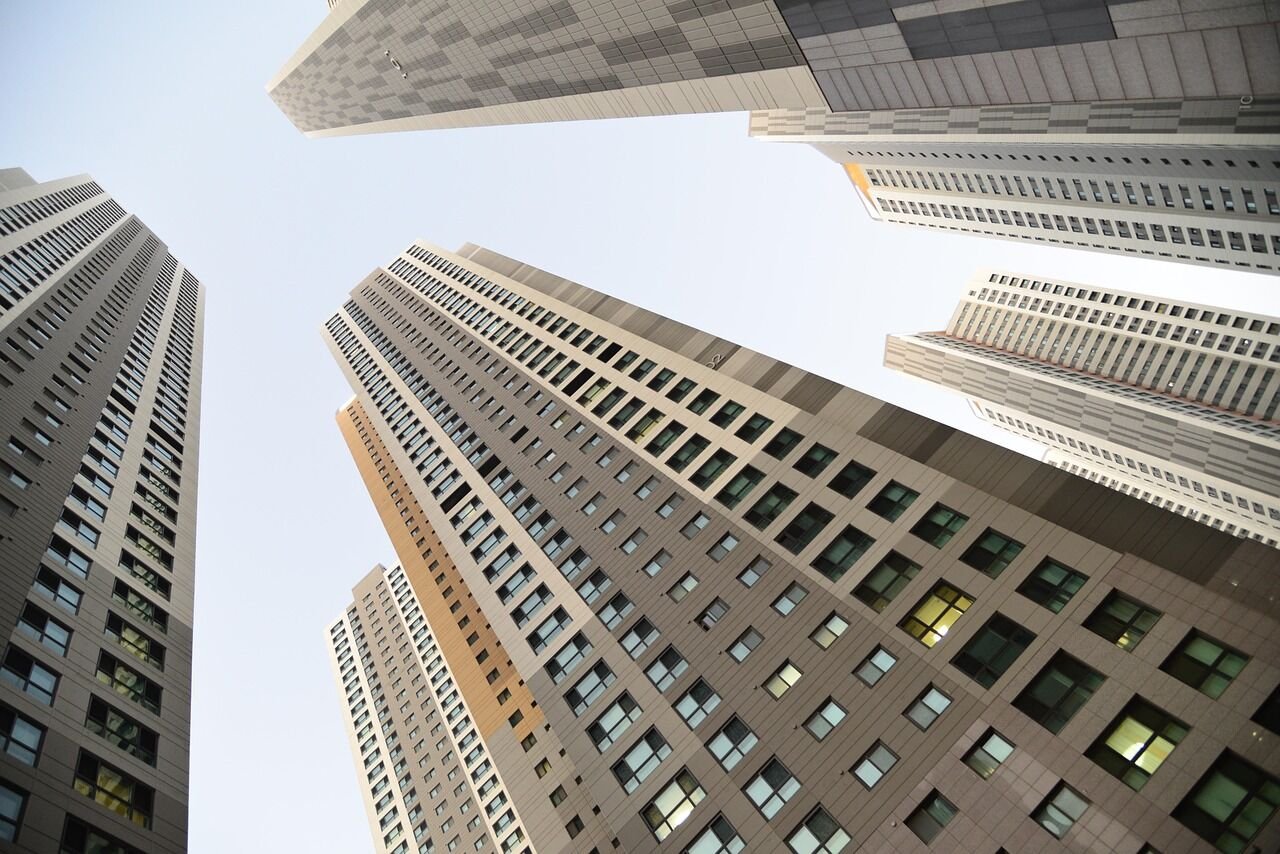
Understanding Real Condo Problems in Kuala Lumpur After Vacant Possession
Buying a condo in Kuala Lumpur feels exciting at first – new keys, fresh paint, and facilities that look like a resort. But many owners only discover the real story of their building a few months after moving in.
Leaks start appearing, lifts break down too often, rubbish rooms smell, and suddenly you are arguing about maintenance fees and sinking fund. These are not small issues – they affect your daily comfort, safety, and long-term property value.
This article explains, in simple language, the common condo problems in KL, what your rights are, and how to take action without overreacting or feeling helpless.
Life After Key Collection: The Hidden Side of Condo Ownership
When you first collect your keys, everything seems perfect. The tiles are shiny, the pool is blue, and the lobby smells like a hotel. But remember: you are not just buying an individual unit, you are buying into a strata community.
In Kuala Lumpur, this means sharing lifts, car parks, corridors, water tanks, security systems, and management costs with hundreds – sometimes thousands – of other owners. Any weakness in the building quality or management will slowly show up in daily life.
Real problems usually appear in three areas: defects inside your unit, defects in common areas, and management and governance issues.
Common High-Rise Condo Issues in Kuala Lumpur
Different condos in KL face similar patterns of problems, especially in the first few years. Some are building-quality issues, others are management-related.
Below is a simple overview of common issues, typical causes, and realistic actions you can take.
| Issue | Likely Cause | Practical Action |
| Water leaks (ceiling, bathroom, balcony) | Poor waterproofing, bad tiling, pipe joints not done properly | Document with photos, report via official defect form, follow up with developer or management in writing |
| Frequent lift breakdowns | Overuse in high-density blocks, poor maintenance schedule, cheap components | Record frequency, raise in AGM, push JMB/MC to review maintenance contract and service logs |
| Garbage smell in corridor or lift lobby | Improper housekeeping, poor ventilation, residents not following rubbish rules | Report to management, request increased cleaning schedule and clearer house rules |
| Cracks on walls and tiles popping | Settlement of building, inferior materials, rushed construction | Note the location and pattern, submit as defect if within period, monitor if cracks widen |
| Security lapses (tailgating, lost access cards) | Insufficient guards, weak SOPs, residents sharing cards | Propose stricter access control, CCTV coverage, and proper visitor registration |
| Dirty swimming pool or gym | Cost-cutting on cleaning, poor vendor supervision | Request maintenance records, highlight health risks, push for vendor change if needed |
| Sudden increase in maintenance fees | Rising operating costs, poor collection rate, past under-budgeting | Request detailed budget and accounts, ask for breakdown of major cost items |
In Kuala Lumpur’s condo market, problems are not just about the building — but how it is managed after completion.
High-Density vs Low-Density Condos: Different Realities
In KL, many new projects are high-density: 600–1,500 units in one development, sometimes more. Others, especially older or more premium blocks, may have 200–300 units or less.
Both have pros and cons, but they face different types of stress in daily operation.
High-Density Projects
High-density condos in Kuala Lumpur are more sensitive to management quality. Even small issues can become big when multiplied by hundreds of residents.
- Lifts are used heavily, so poor maintenance quickly leads to long waiting times and frequent breakdowns.
- Common facilities like pools, gyms, and playgrounds are crowded, increasing wear and tear.
- Garbage handling becomes a major challenge; one dirty refuse room can affect an entire block.
- Noise and parking disputes are more common when you have more people sharing the same space.
The benefit is that if management is efficient, costs per unit can be lower because many owners share the same base expenses. But if many owners do not pay maintenance, the entire building can suffer quickly.
Low-Density Projects
Low-density condos often feel more peaceful and exclusive, with better privacy and less crowded facilities. However, the running cost per unit can be higher.
With fewer owners sharing the expenses, items like security guards, pool maintenance, and lift servicing are divided among a smaller group.
This is why some lower-density KL condos have noticeably higher maintenance fees in RM per square foot. It is not always mismanagement – sometimes it is just simple maths.
Defects in Your Unit: How to Use the TTPR Process
When you receive vacant possession (VP) of your unit, you usually enter into a period called the Defect Liability Period (DLP). During this time, the developer is responsible for rectifying certain defects.
One of the key processes owners should know is the Tribunal Tuntutan Pembeli Rumah (TTPR), which is a housing tribunal meant to help buyers resolve disputes with developers in a simpler, cheaper way than going to court.
Simple Steps for Doing a Defect Inspection
Instead of rushing to renovate and move in, it is better to carry out a thorough inspection first.
- Walk room by room and list down every visible defect: hollow tiles, stains, hairline cracks, misaligned doors, leaking windows.
- Test all fittings: on/off all lights, plug points, air-cond points, taps, showers, and toilets; check water pressure and drainage.
- Use a small marble or coin to roll across tiles to detect hollow sounds that may indicate poor laying.
- Open and close all windows and sliding doors to detect misalignment or water seepage marks.
- Take clear photos and videos of each defect, with date and short description.
- Fill in the official defect form provided by the developer or management office and submit within the required timeline.
- Keep a copy (photo or scan) of the form, with any acknowledgement from the office.
If the Developer Does Not Respond or Drags Their Feet
Sometimes the developer is slow, gives excuses, or claims that certain issues are not defects. This is where the TTPR process can be useful.
The TTPR allows purchasers to file claims related to defects, late delivery, or non-compliance with the Sale and Purchase Agreement, up to a certain claim limit. The process is more informal than court and usually cheaper.
Before going to TTPR, gather proper evidence: photos, videos, defect forms, email correspondence, and any reports from contractors or professionals who inspected your unit.
Common Area Problems and the Role of JMB/MC
Once enough units are handed over, a Joint Management Body (JMB)Management Corporation (MC) will take over.
These entities are made up of owners and are responsible for managing common property: lifts, corridors, facilities, security, landscaping, and finances.
In many KL condos, real frustration starts when owners feel that the JMB or MC is not transparent, not responsive, or not using funds wisely.
Example: Frequent Lift Breakdown in a KL High-Rise
Imagine living on the 28th floor of a high-density condo in Kuala Lumpur. During peak hours, two out of four lifts are down for “maintenance”. You wait 15 minutes every morning just to get to the ground floor.
You complain on the residents’ WhatsApp group, but nothing seems to change. In this situation, emotional reactions are common – but you still need a structured approach.
First, start collecting facts: dates, times, how long the lift is out of service, and any notices from management. Then, during meetings or via formal letters, request to see the maintenance contract, service schedule, and records of breakdowns. This creates pressure for proper accountability.
Example: Garbage Smell on Every Floor
Many KL condos, especially high-rise blocks, use centralised refuse rooms on each floor. When cleaning is inconsistent or ventilation is poor, smells spread along the corridor and can even seep into units.
Owners should report such issues politely but firmly to management. Ask for a clear cleaning schedule, propose exhaust fans or improved ventilation, and encourage fellow residents to bag rubbish properly and follow disposal times.
Strata living means everyone’s small habits add up. Management sets the system, but residents’ behaviour affects the outcome too.
Why Maintenance Fees in Kuala Lumpur Condos Feel High
Many owners are shocked when they start paying monthly maintenance fees and sinking fund, especially when combined they reach RM0.40–RM0.80 per square foot or more.
For a 1,000 sq ft unit, this can mean RM400–RM800 monthly, not including your own utilities and loan instalment. But understanding what you are paying for can reduce frustration.
What Maintenance Fees Usually Cover
Maintenance fees are meant to cover day-to-day operations: security guards, cleaners, landscape workers, electricity for common areas, water for pools, minor repairs, pest control, management office staff, and routine servicing of lifts and equipment.
In Kuala Lumpur, labour and utility costs have gone up. If your condo has 24-hour guarded security, full facilities, and air-conditioned lobbies, costs will naturally be higher.
The key question is not “Why so high?” but “Are the fees being used efficiently and transparently?”
What Is the Sinking Fund For?
The sinking fund is like a long-term savings account for the building. It covers larger future expenses: repainting the whole building, replacing lift systems, major waterproofing works, or upgrading security systems.
If the sinking fund is too low because contributions were kept artificially cheap at the beginning, owners may face sudden special levies later when big repairs are needed.
In older KL condos, you can often see the difference between those that maintained a healthy sinking fund and those that did not, just by walking through the lobby and corridors.
Your Rights as an Owner Against Poor Management
As an owner, you are not powerless. You have the right to information and the right to participate in decisions that affect your building.
While this article avoids legal jargon, some practical rights in plain language include: to see financial statements, to attend and vote at AGMs/EGMs, to question large expenses or contracts, and to propose changes to house rules.
Taking Action Without Panic: Practical Steps
When you face serious issues – from non-transparent accounts to unsafe facilities – it is important to move from complaint to action.
You can take several practical steps that do not require you to be a legal expert or to start a war with your neighbours.
- Gather facts and evidence: photos, videos, invoices, notices, and any communication with management.
- Talk to other owners quietly and see if they face similar problems; avoid turning it into a shouting match in public groups.
- Request, in writing, for clarification from the management office on specific issues (not just general complaints).
- If unsatisfied, coordinate with other owners to raise motions in the next AGM or call for an EGM, following proper procedures.
- Propose realistic solutions, such as changing vendors, tightening collection of arrears, or setting up committees for security or facilities.
- For serious neglect or abuse of power, consider seeking advice from a property professional or, if needed, legal practitioners familiar with strata issues.
FAQs: KL Condo Defects, TTPR, Fees, and Owner Rights
1. What is TTPR and how does it help condo buyers?
TTPR stands for Tribunal Tuntutan Pembeli Rumah, a housing tribunal set up to help homebuyers resolve disputes with developers more quickly and cheaply than going to court.
For condo buyers in Kuala Lumpur, it can be used for issues like unrectified defects, late delivery claims, or non-compliance with the Sale and Purchase Agreement, up to a certain financial limit.
The process is more informal; you usually represent yourself by preparing documents, evidence, and a clear explanation of your claim.
2. When can I file a defect claim?
You can file a defect claim as long as you are still within the relevant defect liability or warranty periods and you have already notified the developer of the issues, giving them a chance to rectify.
For minor issues, try to resolve through the developer’s normal defect rectification process first. If they ignore you, delay too long, or do poor-quality repairs, then you can consider bringing the matter to TTPR.
Always keep records: defect forms, emails, photos, and any written responses from the developer or management.
3. Why are maintenance fees in KL condos so high?
Maintenance fees can feel high because they cover a long list of shared costs: security, cleaning, utilities for common areas, facility upkeep, staff salaries, and routine servicing of equipment.
In Kuala Lumpur, high-density condos with full facilities and 24-hour security naturally carry bigger operating budgets. When divided among owners, this turns into a monthly fee that may be higher than expected.
The key is to ensure that the fees are properly justified with a clear budget and that your JMB/MC manages spending efficiently and transparently.
4. What can I do if I disagree with the JMB or MC?
You have the right to ask questions, request documents, and challenge decisions through the proper channels. Start by writing formally to the management office or committee and ask for clarification or supporting documents for any decision you find questionable.
If many owners share your concerns, work together to raise motions during the AGM or call for an EGM, following the procedures in the notice and relevant regulations.
In extreme cases where there is serious mismanagement, owners may seek outside advice from professionals familiar with strata management, or escalate matters through available legal and regulatory channels.
5. Are high-density condos always worse than low-density ones?
Not necessarily. A high-density condo in KL with strong, transparent management can feel cleaner, safer, and better maintained than a low-density project with weak leadership and poor financial discipline.
However, high-density blocks are more sensitive to problems: lift breakdowns, rubbish management, and security issues escalate faster because more people use the same systems.
When evaluating any condo, focus less on density alone and more on management quality, transparency, and the condition of common areas.
Strata Living in Urban Kuala Lumpur: Accepting Reality, Demanding Standards
Condo living in Kuala Lumpur offers real advantages: location, security, facilities, and community. But it also comes with compromises – less privacy, shared responsibilities, and the need to deal with committees and management.
You cannot control everything your neighbours do, and you cannot change building quality after it is built. But you can control how informed you are, how you document issues, and how you participate in the management of your building.
Good management does not happen by accident. It is the result of owners who care enough to ask questions, attend meetings, and push for fair, transparent decisions.
Moving Forward: When to Seek Help
If you feel overwhelmed by defects, rising fees, or management disputes in your KL condo, you are not alone. Many owners quietly face similar situations and are unsure what is “normal” and what is unacceptable.
Sometimes the best step is to talk to someone neutral who understands both the property market and strata realities – not to start a fight, but to see your options clearly.
If you’re unsure whether a condo issue is serious or worth acting on, speaking to a knowledgeable property advisor can help you make better decisions.
This article is for educational and market understanding purposes only and does not constitute financial, property, or investment advice.
