
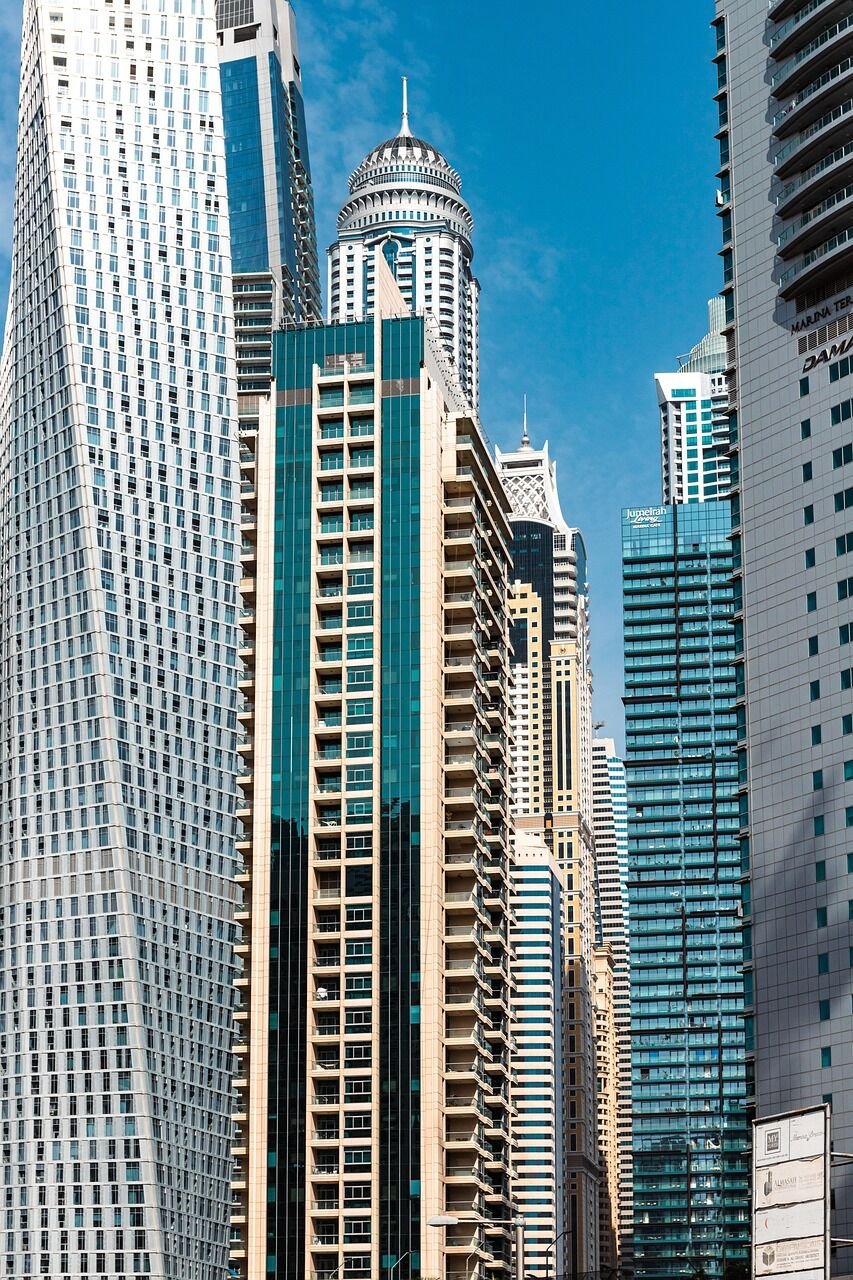
Smart Eco-Living in KL Condos and Terrace Houses: Practical Ways to Cut Bills and Live Greener
Living in Kuala Lumpur or Selangor today means balancing comfort, convenience, and rising living costs. Electricity tariffs have been gradually increasing, and urban households are feeling the pressure, especially with air-conditioners, water heaters, and multiple gadgets running daily.
At the same time, more young professionals and environmentally conscious homeowners are looking for ways to live more sustainably. The good news is that smart living and eco-friendly upgrades can help you lower monthly bills, improve comfort, and reduce your environmental impact without turning your lifestyle upside down.
“Sustainable living in urban Malaysia is no longer only about environmental awareness — many homeowners now focus equally on reducing long-term living costs.”
Why Smart Eco-Living Matters in Urban Malaysia
Electricity usage in condos and terrace houses across Kuala Lumpur and Selangor is driven mainly by cooling, hot water, and electronic devices. When tariffs go up, even small inefficiencies in your home can add up to a big bill at the end of the month.
At the same time, KL is seeing growth in EV (electric vehicle) ownership, higher demand for green-certified buildings, and more interest in smart-home technology. This trend is especially strong among young professionals who want homes that are modern, connected, and cost-efficient.
Smart eco-living is about strategically choosing upgrades that give you three wins at the same time: lower bills, better comfort, and reduced environmental impact. You don’t need to renovate everything at once; many changes can be gradual and budget-friendly.
Condos vs Terrace Houses: Different Homes, Different Strategies
Urban living in the Klang Valley usually falls into two main types: high-rise condos and landed terrace houses. Both have very different constraints and opportunities when it comes to smart and eco-friendly upgrades.
Condos in Kuala Lumpur and Selangor
Condo residents enjoy shared facilities, security, and often central locations. But when it comes to eco-upgrades, you may face rules from the management or JMB/MC, limited space, and restrictions on façade changes.
That means condo-friendly eco-living focuses more on inside-the-unit upgrades such as efficient appliances, smart controls, and water-saving fixtures, plus shared solutions like EV charging at the car park.
Terrace Houses in Urban Neighbourhoods
Terrace houses in places like Petaling Jaya, Subang, Cheras, and Shah Alam offer more flexibility. Owners can usually install solar panels, rainwater harvesting systems, and EV chargers more easily, subject to local regulations.
Landed homes also tend to be larger and use more electricity for air-conditioning and lighting, so investing in efficiency can bring significant long-term savings for families and multi-generational households.
Rising Electricity Costs: What It Means for Your Home
In recent years, Malaysians in urban areas have become more aware of how much TNB bills affect monthly budgets. Even if tariffs don’t increase dramatically, higher usage from more devices and lifestyle changes can drive up costs.
Common electricity-heavy habits in KL and Selangor include running air-conditioners overnight, long hot showers using electric water heaters, and keeping multiple TVs, PCs, and consoles on standby. Over time, these patterns can cost hundreds of ringgit annually in avoidable usage.
This is why more homeowners are turning to smart devices and eco-upgrades that make it easier to control usage without sacrificing comfort.
Smart Eco-Living Upgrades Checklist for Urban Malaysians
The most effective approach is to tackle the biggest energy users first: cooling, hot water, and appliances. Here is a practical checklist you can use for your condo or terrace house.
- Install smart or programmable air-conditioner controls to avoid overcooling and unnecessary use.
- Switch to inverter air-conditioners with good energy ratings when your old units fail.
- Replace electric storage water heaters with instant heaters or solar-assisted systems (for landed homes).
- Use smart plugs and timers for TVs, gaming consoles, and routers to cut standby power overnight.
- Upgrade to LED lighting throughout the home, including common areas if you sit on the JMB/MC.
- Consider basic solar PV for terrace houses to offset daytime usage, especially if someone is home during the day.
- Monitor usage with a smart energy monitor so you can see which appliances are driving your bill.
- Improve natural ventilation and shading with blinds, curtains, and window films to reduce AC usage.
Each item may sound small, but multiple upgrades can combine to trim a noticeable percentage off your monthly bill over the long term.
Practical Indoor Upgrades That Save Electricity
Smart Controls for Air-Conditioners
In KL’s hot and humid climate, AC is often the biggest contributor to electricity usage, especially in condos with sealed windows and high-rise heat gain. Smart AC controllers let you schedule cooling, set temperature limits, and even switch off units remotely from your phone.
Many households habitually set temperatures below 23°C. In reality, raising the thermostat by just 1–2°C and using a fan can reduce energy use meaningfully over time. A combination of smart controls plus a ceiling or standing fan can keep your home comfortable while keeping the bill under control.
LED Lighting and Occupancy Habits
Lighting may not be as power-hungry as AC, but it operates many hours a day. Upgrading to LED bulbs throughout your home is one of the simplest ways to cut usage. LED bulbs often use around 80–90% less electricity than old incandescent bulbs for the same brightness.
For corridors, bathrooms, and storerooms in both condos and terrace houses, motion sensors or timer switches can prevent lights from being left on. This is especially helpful in homes with children or elderly parents who may forget to switch off lights.
Water Heaters and Showers
Electric water heaters—especially large storage-type tanks—can quietly add a lot to your TNB bill. In many KL condos, instant water heaters are already standard, but older landed homes may still have storage heaters.
Swapping a storage heater for a modern instant unit, or adjusting the thermostat and operation schedule, can reduce unnecessary heating. Combining this with a water-efficient showerhead reduces both electricity and water usage.
Solar Panels in Malaysia: Are They Worth It?
Solar panels are becoming more common on terrace houses in the Klang Valley. Malaysia’s climate is suitable for solar, and government frameworks allow homeowners to send excess electricity back to the grid.
However, not every property will benefit equally. It depends on your roof space, orientation, shading from nearby buildings or trees, and your typical daytime usage. Condos generally cannot install individual solar panels, but terrace houses sometimes can.
| Solution | Estimated Cost (RM) | Potential Benefit |
|---|---|---|
| LED lighting for whole 3-bedroom condo | RM300–RM600 | Lower lighting usage with longer bulb lifespan |
| Smart AC controller for 2–3 units | RM250–RM800 | More efficient cooling and reduced overuse |
| Basic solar PV (terrace house) | RM8,000–RM18,000 | Offsets daytime electricity for many years |
| Instant water heater upgrade | RM300–RM800 per bathroom | More efficient hot water with less standby usage |
| Home EV charger (landed) | RM3,000–RM7,000 | Convenient charging and better EV ownership experience |
While solar requires a higher upfront investment, it can provide long-term bill reductions and better energy independence for landed homes that plan to stay in place for many years.
EV Ownership in KL and Selangor: Charging Challenges in Condos
EV ownership in the Klang Valley is rising, particularly among young professionals who commute within Kuala Lumpur and surrounding areas. Lower running costs and environmental considerations make EVs attractive, but charging remains a concern—especially for condo residents.
Many condominiums were not originally designed with EV charging in mind. Residents often face challenges such as limited charging bays, management approval, electrical capacity constraints, and questions about how to share costs fairly among owners.
Landed terrace houses have a clear advantage here: homeowners can often install a dedicated home charger in their porch, making overnight charging convenient. For condos, the practical way forward usually involves shared community solutions and gradual infrastructure upgrades.
How Condos Can Support EV Charging
Some newer developments in KL and Selangor already incorporate EV-ready infrastructure. Older condos may have to start smaller, for example by installing one or two shared chargers in visitor or common parking bays.
Key steps JMBs or MCs can consider include:
– Assessing existing electrical capacity and safety requirements
– Exploring shared-pay-per-use charging systems
– Creating fair policies for installation and use
– Including EV readiness in future refurbishment plans
While individual residents may not control these decisions, they can raise the topic at AGM meetings and encourage management to plan ahead, especially as more residents consider EVs.
Green-Certified Buildings and the Future of Urban Living
In Kuala Lumpur’s property market, there is growing interest in buildings with green or sustainability certifications. These developments usually emphasise better natural lighting, ventilation, water savings, and energy-efficient systems.
For residents, the benefits include more comfortable living environments, lower shared utility costs, and potentially better property value retention. Environmentally conscious homeowners often seek out such properties, viewing them as future-proof investments.
Even if your current condo or terrace house is not formally green-certified, you can still apply the same principles inside your home by improving efficiency, reducing waste, and using smart technologies that give you better control over your usage.
Are Eco-Friendly Upgrades Too Expensive?
Many people assume sustainable living requires big budgets and advanced technology. In reality, most of the highest-impact improvements are relatively modest in cost compared to long-term savings and comfort gains.
For example, upgrading lighting, adding smart plugs, improving curtains and blinds, and replacing one or two key appliances with efficient models can be done gradually without straining monthly cash flow. The key is to think in terms of total cost over years, not just immediate purchase price.
When you consider that many households stay in the same home for five to ten years or more, even small monthly savings can pay back eco-friendly upgrades while also lowering your environmental footprint.
FAQs on Smart and Eco-Friendly Urban Living in Malaysia
1. Are solar panels really worth it for homes in Malaysia?
Solar panels can be worthwhile for many terrace houses in KL and Selangor, especially if the roof gets good sun and there is no heavy shading. Households with consistent daytime usage—such as work-from-home professionals or families—tend to benefit more because they directly consume the solar energy produced.
However, condos generally cannot install individual solar systems, so the decision mostly applies to landed homes. Evaluating roof suitability, actual consumption, and payback period is important before deciding.
2. Can condos in Kuala Lumpur support EV charging?
Yes, many condos can support EV charging, but it requires planning and cooperation from the building’s management. Electrical capacity, safety standards, and fair cost-sharing are key considerations.
Some condos start with a small number of shared chargers in common areas, while newer properties may have EV-ready infrastructure from the beginning. Residents can encourage management to explore gradual upgrades rather than waiting until EV ownership becomes urgent.
3. How much electricity can smart devices actually save?
Smart devices by themselves do not guarantee savings; they are tools that help you use energy more wisely. For example, smart AC controllers can prevent overcooling and forgotten units, while smart plugs can cut off standby power at night or when you are away.
The actual savings depend on your habits, but in many KL homes, better control over air-conditioning, water heating, and standby devices can lead to noticeable reductions in monthly usage over time, especially when several measures are combined.
4. Are eco-friendly home upgrades too expensive for most households?
Some upgrades, like solar panels or full smart-home systems, require higher upfront budgets, but many impactful changes are affordable. Switching to LEDs, using smart plugs, improving shading, and replacing old, inefficient appliances when they break down are all manageable steps.
Eco-friendly upgrades should be viewed as long-term improvements. Even modest monthly savings, combined with better comfort and reduced environmental impact, can make them worthwhile for many urban households.
5. Should young professionals in KL prioritise eco-features when choosing a home?
For young professionals planning to stay in a property for several years, eco-features and smart technologies can improve day-to-day comfort and help keep utility bills under control. Features such as good natural lighting, cross-ventilation, efficient air-conditioning, and EV-ready parking are becoming more relevant.
Choosing a home that supports sustainable living can also align better with future trends in property demand, as more buyers and tenants look for greener, cost-efficient homes in Kuala Lumpur and Selangor.
Bringing It All Together: A Smarter, Greener Urban Lifestyle
Smart eco-living in KL condos and terrace houses is not about perfection; it is about consistent, practical improvements that reduce waste and increase comfort over time. From simple LED upgrades to smarter cooling, better water heating, and, where possible, solar and EV readiness, each step strengthens your home against rising energy costs.
Urban Malaysians—especially young professionals and environmentally conscious homeowners—are in a strong position to shape the future of city living. By choosing smart, sustainable upgrades today, you make your home more resilient, convenient, and aligned with the evolving lifestyle of Kuala Lumpur and Selangor.
Small eco-friendly upgrades often make a bigger difference over time than many homeowners initially expect, especially in urban households with rising utility costs.
This article is for educational and general sustainability awareness only and does not constitute professional engineering, financial, or environmental advice.
