
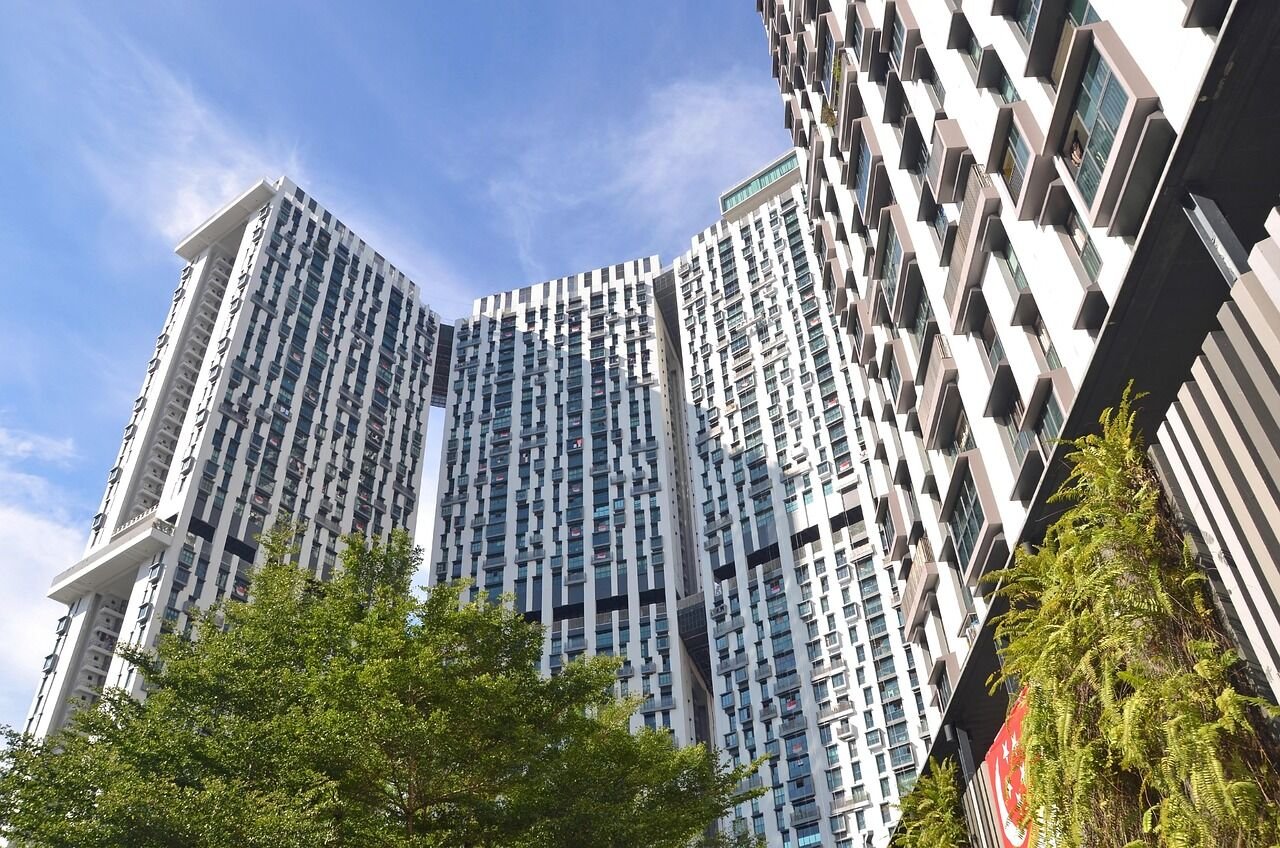
New & Upcoming Condominium Developments in Kuala Lumpur: A Practical Guide for Buyers and Investors
New condominium launches in Kuala Lumpur continue to reshape the city’s residential landscape, from high-rise luxury towers in KLCC to family-focused enclaves in Cheras and Setapak. For buyers and investors, early-stage projects can offer attractive entry points, but also come with specific risks. Understanding how these new developments fit into KL’s broader market trends is essential before committing to a purchase.
This article examines the current wave of new and upcoming condos in Kuala Lumpur, what to watch in different neighbourhoods, and how to compare new launches against existing subsale properties. The aim is to help you make decisions based on data, context, and risk awareness rather than marketing promises.
“In Kuala Lumpur, new property launches often reflect long-term urban development trends rather than short-term demand.”
Overview of the New Launch Landscape in Kuala Lumpur
Kuala Lumpur’s condominium market has evolved from a core focus around KLCC to a more decentralised pattern, with notable clusters in Mont Kiara, Bangsar, Cheras, Setapak and Desa ParkCity. New launches today tend to emphasise integrated facilities, smaller unit sizes, and connectivity to public transport or major highways.
Many recent launches in central KL and KLCC have reduced average built-up sizes to keep absolute prices within reach, even as RM psf values remain high. In more suburban pockets like Cheras and Setapak, developers are offering larger units and family-oriented layouts at lower RM psf, targeting upgrader and own-stay markets.
Overall, there is a visible shift from pure luxury positioning to a more mixed profile of practical, mid- to upper-mid market projects, particularly around emerging MRT and LRT corridors.
Key Micro-Markets: What’s Happening Where
KLCC: High-End Density and Brand-Driven Purchases
New condominiums around KLCC continue to command some of the highest prices in Kuala Lumpur, often exceeding RM1,500–RM2,500 psf for prime addresses. Many upcoming projects emphasise branded residences, hotel-linked concepts, and extensive facilities.
For investors, rental competition is intense, with a large supply of similar high-end units. Achieving stable yields depends on pricing discipline at entry, realistic rental assumptions, and careful selection of layouts that appeal to expatriates and high-income tenants. Capital appreciation potential is more closely tied to KLCC’s long-term international positioning than to short-term local demand.
Mont Kiara: Mature Expat Enclave with New Infills
Mont Kiara remains a popular expatriate hub, with both established condominiums and a steady pipeline of new launches and infill developments. Prices are typically lower than KLCC on a psf basis, but still sit in the upper-mid to high-end segment.
Upcoming projects often highlight international school proximity, lifestyle facilities, and gated community-like environments. For buyers comparing new launches to older subsale condos, maintenance condition and management quality can matter more than age alone, as many older Mont Kiara buildings have larger layouts and strong tenant followings.
Bangsar: Limited Land, Selective New Launches
Bangsar has limited remaining development land, so new condominiums here tend to be smaller-scale or niche projects. Launch prices often embed a premium for location and address, with strong appeal to owner-occupiers rather than pure investors.
Because the subsale market in Bangsar is deep and established, comparing new launches against existing condos is crucial. Older properties may offer bigger layouts and better value per square foot, while new launches may provide updated facilities and security, albeit with higher density.
Cheras: Mass Market to Mid-Range Transformation
Cheras has seen a wave of new high-rise developments driven by MRT connectivity and relatively affordable land compared to central KL. New condos here commonly target the upgrader and first-home segments, with unit sizes that balance affordability and liveability.
Upcoming projects near MRT stations and shopping centres tend to position themselves as integrated lifestyle hubs. For investors, rental demand often comes from local working professionals and families, with achievable rents linked closely to transport access and retail convenience rather than luxury brand appeal.
Setapak: Student and Young Professional Catchment
Setapak’s condo market is influenced heavily by nearby universities and its proximity to the city centre. New launches often feature smaller units and compact layouts, appealing to investors targeting student or young professional tenants.
Pricing is usually lower than KLCC or Mont Kiara, but buyers must be careful about oversupply in the compact-unit segment. It is important to test realistic rent levels for similar existing condos in Setapak and calculate net yields after maintenance fees.
Desa ParkCity: Master-Planned, Lifestyle-Oriented Growth
Desa ParkCity has built a reputation as a family-friendly, master-planned township with strong community appeal. New and upcoming condos here often come with premium pricing per square foot relative to more generic suburban areas.
Many buyers in Desa ParkCity are owner-occupiers attracted by the township environment, parks, and security. For investors, the key question is whether future price appreciation can justify current premiums compared to similar-quality units in less branded but well-located neighbourhoods.
New Launch vs Subsale: Practical Comparison
Choosing between a new launch and an existing subsale condominium in Kuala Lumpur involves more than just headline price. Buyers should compare financing structure, risk, and hold period expectations.
| factor | observation | impact |
|---|---|---|
| Entry Cost & Rebates | New launches may offer early-bird rebates and lower upfront cash outlay; subsale requires higher initial cash for down payment and entry costs. | New launches can ease initial affordability, but the “discount” is often built into list prices. |
| Price Transparency | Subsale prices are benchmarked by actual past transactions; new launches rely on marketing comparisons. | Easier to validate fair value in subsale; more due diligence needed for new projects. |
| Construction Risk | New launches carry risk of delay or quality issues; subsale units are ready and inspectable. | Investors in new launches must accept project delivery risk and wait time before income. |
| Facilities & Design | New launches offer modern layouts and facilities; older condos may feel dated but often have larger spaces. | Own-stay buyers may value newer designs; investors must consider tenant preferences and maintenance costs. |
| Rental & Yield | Subsale rents and occupancy can be observed; new units have uncertain rental levels initially. | Subsale allows more accurate yield assessment; new launches require conservative projections. |
Key Considerations Before Buying a New Launch in KL
Buying at the early stage of a project in Kuala Lumpur can be rewarding, but only if the risks are clearly understood and priced in. Beyond brochures and show units, a more disciplined checklist helps protect your capital.
- Study actual transacted prices of nearby completed condos in KLCC, Mont Kiara, Bangsar, Cheras, Setapak or Desa ParkCity to see if launch pricing is truly competitive.
- Assess connectivity and infrastructure: distance to MRT/LRT, future highway links, and realistic travel times to key employment hubs.
- Check density and land size: units per acre, number of lifts, parking arrangements, and the likely impact on privacy and maintenance.
- Evaluate unit mix: proportion of small vs family-sized units, which affects future tenant profile and competition within the same project.
- Review maintenance fee estimates and sinking fund contributions, and compare them with similar completed condos in the area.
- Understand the development timeline, including expected completion date and buffer for possible construction delays.
- Inspect track record of past projects in Kuala Lumpur by the same team (not just the brand), focusing on build quality and defect handling.
- Plan your holding power to manage loan repayments if rental income is delayed or lower than expected after completion.
Risks of Buying Early-Stage Projects
Early-bird phases in KL condominium launches often come with perceived advantages such as better unit selection or slightly lower list prices. However, these benefits must be weighed against additional uncertainties.
Construction delay risk is one of the most common issues. In periods of rising material or labour costs, projects in Kuala Lumpur may experience schedule slippage. Even if liquidated ascertained damages (LAD) are contractually provided, delays can still disrupt your financial plans and rental timelines.
Another concern is market conditions at completion. A project launched during an optimistic period may be handed over into a softer rental or resale market, especially if multiple similar developments complete in KLCC, Cheras or Setapak around the same time. Buyers who assumed aggressive rental or resale values may struggle to exit or cover financing costs.
Finally, speculative demand within the project can increase volatility. If a large proportion of buyers in a new KL condo are short-term investors rather than genuine occupiers, there can be heavy competition to rent or sell units upon completion, putting downward pressure on prices.
Evaluating Investment Potential in Different KL Areas
Investment potential for new condominiums in Kuala Lumpur depends on both price and context. The same RM psf may be reasonable in one neighbourhood but stretched in another. Below are general tendencies, not guarantees.
In KLCC, investment logic often hinges on long-term positioning as a prime international district. Rental yields may appear modest at high entry prices, so investors should focus on future scarcity value, quality of maintenance, and specific building reputations rather than generic “city centre” appeal.
In Mont Kiara, the expat-driven rental market is relatively established. Upcoming projects with good access to schools and main roads can be competitive, but buyers must examine how each new launch differentiates itself from numerous existing condos in terms of layout, management and community atmosphere.
In Bangsar, limited new supply can support values, yet families and professionals often consider older condos and landed homes as alternatives. Here, a new condominium’s investment rationale may rely more on niche appeal, unique design, or boutique density than on sheer scale.
In Cheras and Setapak, affordability and transport play central roles. Projects with direct or walkable connectivity to MRT or LRT stations tend to have stronger occupancy and rental depth. However, the supply of small and mid-sized units is growing, so entry price and realistic yield assumptions are critical.
In Desa ParkCity, price premiums reflect the township brand, environment and planning. New launches within or around the township attract both upgraders and investors who believe in its long-term positioning. Still, investors should compare absolute prices and monthly commitments with similarly priced options in other KL suburbs that may offer higher rental yields.
Timeline, Cash Flow and Exit Strategy
When considering a new launch, it is essential to map out your financial exposure from booking until the project is completed in Kuala Lumpur. Progressive payment structures mean that your loan utilisation rises as construction advances, even though there is no rental income yet.
Allow for possible completion delays of 6–12 months beyond the scheduled date, particularly in larger or more complex projects. Align this with your personal income stability, other loans, and emergency buffers. If you plan to rent out the unit, factor in a few months for defects rectification and marketing.
For exit strategies, consider whether you are aiming for rental income, capital gains, or flexibility to sell within a certain time frame. In areas with heavy upcoming supply, a quick resale upon completion may be challenging. Longer holding periods often reduce the impact of short-term market fluctuations, but increase total interest and maintenance costs.
Frequently Asked Questions (FAQ)
1. How do new launches in KL compare to subsale condos in terms of investment?
New launches in Kuala Lumpur often require less cash upfront due to progressive payments and possible rebates, but they come with construction and market-timing risks. Subsale condos provide clearer information on actual rental, occupancy and resale values, making yield calculations more reliable.
For investors, subsale is generally more data-driven, while new launches involve more assumptions about future demand, pricing and competition. The better choice depends on your risk tolerance, holding power and willingness to accept uncertainty.
2. What are the main risks of buying an early-stage project?
The main risks include construction delays, cost overruns leading to quality compromises, and a weaker-than-expected rental or resale market at completion. In some KL areas, multiple projects may complete around the same time, increasing competition.
Additionally, buyers rely heavily on the developer’s financial strength and execution capability. Even with legal protections, any major delay or issue can disrupt personal financial plans, particularly for highly leveraged buyers.
3. Are new launches in KLCC, Mont Kiara and Bangsar still good investments?
They can be, but not automatically. In KLCC, prices are already high, so upside may be slower and tied to long-term international demand. In Mont Kiara, the balance between supply and expat rental demand is crucial. Bangsar’s limited land can support values, but subsale options are strong competitors.
Investment potential now depends less on simply being in these postcodes and more on specific project attributes: pricing relative to nearby alternatives, layout efficiency, maintenance fees, and how well the condo will age over the next 5–10 years.
4. How long do new condominium projects in Kuala Lumpur usually take to complete?
Most high-rise condominium projects in Kuala Lumpur typically have a construction period of about 3 to 4 years from launch to vacant possession, depending on scale and complexity. However, external factors such as regulatory approvals, labour availability or cost pressures can extend timelines.
Prudent buyers should budget for potential delays of several months beyond the stated completion date and avoid making financial plans that depend on an exact handover month.
5. Is it better to buy near MRT/LRT stations in areas like Cheras and Setapak?
Proximity to MRT or LRT stations in Cheras, Setapak and other suburban areas generally supports rental demand and resale interest, particularly among young professionals and students. However, this advantage can be diluted if many similar projects around the same station launch at comparable times.
The key is to weigh transport convenience against price, density, and maintenance costs. Paying a moderate premium for genuine walkable access can be reasonable, but overpaying solely because a project is marketed as “near MRT” may reduce long-term returns.
This article is for educational and market understanding purposes only and does not constitute financial, property, or investment advice.
