
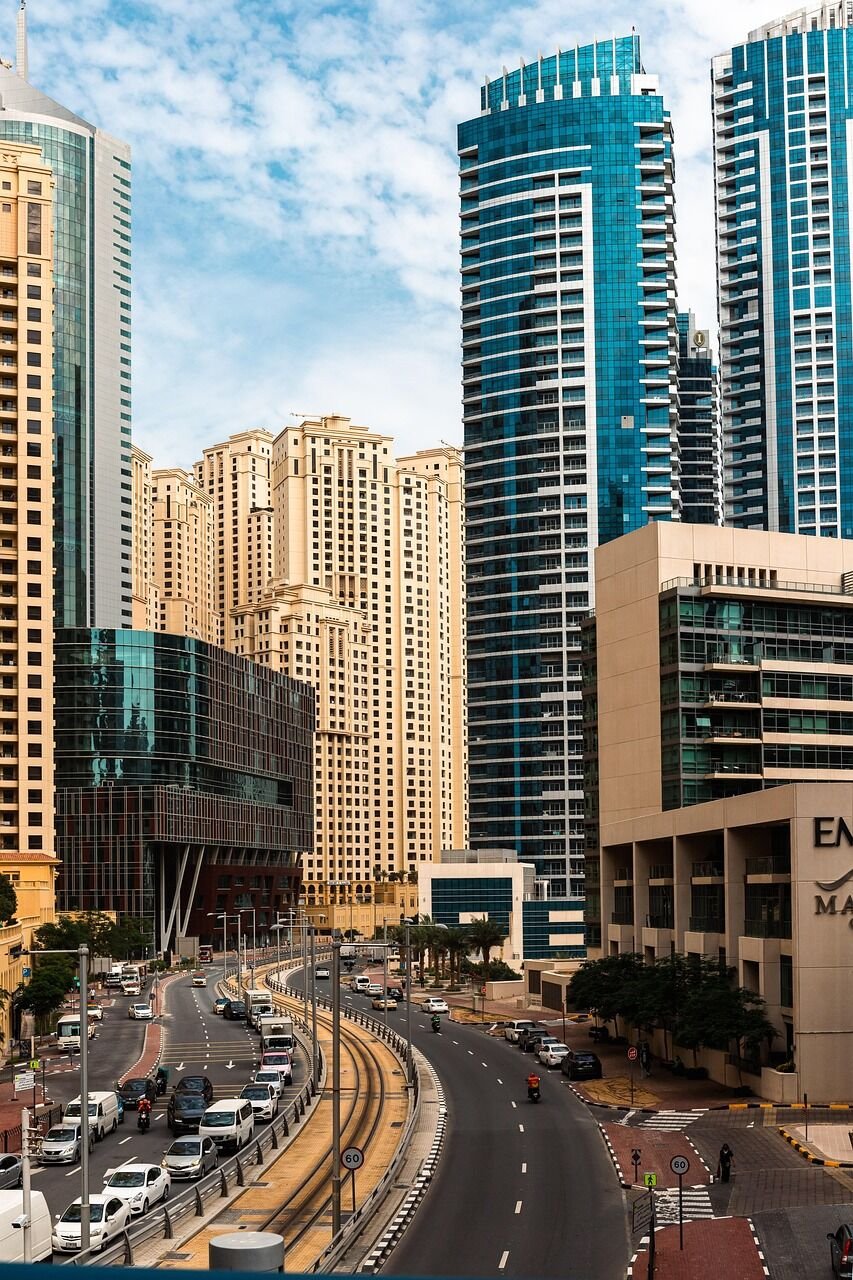
Living in Mont Kiara: A Practical Area Guide for KL Condo Dwellers and Investors
Mont Kiara is one of Kuala Lumpur’s most established high-rise residential enclaves, known for its large concentration of condominiums and international schools. Located northwest of KL city centre, it sits between Sri Hartamas and Segambut, about 15–20 minutes’ drive from KLCC in light traffic. The area has matured from a quiet suburb into a self-contained condo township with its own cafes, malls, and daily conveniences.
For many, Mont Kiara is synonymous with expat living and high-rise convenience. But beneath the reputation are practical considerations: traffic bottlenecks, aging condos versus new launches, and competition from other condo-focused neighbourhoods like Bangsar, Desa ParkCity, and Setapak. This guide looks at what it’s really like to live and invest in Mont Kiara in 2026.
“In Kuala Lumpur, choosing the right neighbourhood often matters as much as choosing the right property.”
Neighbourhood Overview and Everyday Convenience
Mont Kiara is essentially a cluster of condominiums, serviced apartments, and a few office towers built around Jalan Kiara and its surrounding roads. There is no landed housing; high-rise living is the norm. Most daily essentials are within a short walk or a brief drive, which appeals to those who want an urban lifestyle without going into KLCC or Bukit Bintang daily.
The main lifestyle anchors are 1 Mont Kiara, Plaza Mont Kiara, and Solaris Mont Kiara, with Solaris Dutamas/Publika just next door in Dutamas. These provide supermarkets, pharmacies, cafes, clinics, and gyms. Residents often treat the area as a “bubble” where they can handle groceries, schooling, and socialising within a few kilometres.
However, this concentration also means congestion during peak hours, particularly around the ramps connecting to the Sprint, DUKE, and NKVE highways. The streets inside Mont Kiara can feel busy, especially around school start and dismissal times.
Connectivity and Transport: Driving Still Dominates
Mont Kiara is well connected by highways, but not directly by rail. The nearest MRT and KTM stations (such as MRT Semantan, MRT Pusat Bandar Damansara, or KTM Segambut) require a short drive or e-hailing ride. This is a key difference compared with areas like Cheras and Setapak, which enjoy stronger rail coverage.
Key road links include Sprint Highway (towards Bangsar and Damansara), DUKE (towards Setapak and the Gombak side of KL), and NKVE (towards Petaling Jaya and Shah Alam). When traffic is smooth, getting to KLCC, Bangsar, or Desa ParkCity is straightforward. The issue is peak-hour congestion, both at highway interchanges and within Mont Kiara itself.
Public buses and informal shuttle services exist, but for most residents, a car or reliance on e-hailing is almost mandatory. This has implications for tenants and owners: covered parking bays and visitor parking policies matter more here than in rail-served neighbourhoods.
Lifestyle: Cafes, Malls, and a Condo-Centric Social Scene
Mont Kiara’s lifestyle is built around its malls, plazas, and F&B clusters rather than traditional street-front shop rows. 1 Mont Kiara houses a supermarket, mid-range F&B options, banks, and basic service outlets, making it a practical everyday hub. Plaza Mont Kiara is known for its weekday lunch crowd and regular community markets.
Solaris Mont Kiara and nearby Solaris Dutamas/Publika offer a wider mix of cafes, bars, restaurants, and fitness studios. This is where most residents go for coffee, casual dining, or a night out without heading to central Kuala Lumpur. Compared with Bangsar’s more “local” feel or Desa ParkCity’s family-centric central park, Mont Kiara leans more cosmopolitan and condo-club-like.
Greenery is present mainly in the form of condominium facilities rather than large public parks. Many condos feature sizeable pools, landscaped podiums, and small play areas. Larger recreation spaces such as Desa ParkCity’s Waterfront Park or Lake Park are a short drive away, but not within walking distance. For those who want extensive public green spaces at their doorstep, Mont Kiara may feel more built-up.
Demographic and Community Vibe
Mont Kiara has one of the highest concentrations of expatriates in Kuala Lumpur, partly due to its cluster of international schools. The community mix includes families, young professionals, and some retirees, both local and foreign. English is widely used in shops and services.
The presence of multiple nationalities creates a relatively international feel compared with areas like Cheras or Setapak, which remain more local and student-focused. This is reflected in the types of restaurants, availability of imported goods in supermarkets, and services such as international kindergartens and tuition centres.
Security is generally taken seriously. Most developments have guarded entrances, CCTV, access card systems, and regularly patrolling guards. Incidents can still occur, but security standards here tend to be higher than in older, non-gated KL neighbourhoods.
Who Mont Kiara Suits (and Who It May Not)
Mont Kiara’s strengths are not universal; they depend on lifestyle and budget. The area naturally appeals to some profiles more than others.
- Expats and international school families who value proximity to schools and a familiar, condo-based lifestyle.
- Dual-income professionals working in KL city, Damansara, or Petaling Jaya who are comfortable with driving and condo living.
- Investors targeting mid- to upper-tier tenants, especially expatriates and high-income locals.
- Singles or couples without children who want cafes, gyms, and social spots within a short drive, but do not need rail access.
- Buyers who prioritise space and facilities over landed property, accepting that their “home” will be a high-rise.
On the other hand, Mont Kiara may not be ideal for those who insist on direct LRT/MRT access, prefer landed homes, or are seeking entry-level prices more commonly found in fringe areas of Cheras or Setapak.
Property Landscape: Types of Condos and Price Trends
Mont Kiara is almost entirely high-rise, with a mix of older, larger units and newer, smaller layouts. Older condos often offer spacious units (1,500–2,500 sq ft or more) at a lower price per square foot but may have dated facilities or finishes. Newer projects emphasise modern common areas, smaller units (700–1,200 sq ft), and lifestyle branding, often at a higher PSF.
Compared with KLCC, prices in Mont Kiara are generally more affordable on a PSF basis while still maintaining a “premium” perception. Compared with Bangsar, Mont Kiara lacks the landed and traditional shoplot charm but offers more purpose-built condo environments and facilities.
From an investment perspective, oversupply is a recurring conversation. Over the past decade, many new projects were launched, and not all have seen strong capital appreciation. Rental markets remain active but competitive, especially for mid-tier units that are similar in size, design, and location.
Rental and Investment Demand
Rental demand in Mont Kiara is supported by expatriates, local professionals, and families linked to nearby international schools and office hubs in Damansara, KLCC, and surrounding areas. Some developments close to schools or with particularly strong facilities see more stable demand and occupancy.
However, rental yields can be compressed due to high purchase prices and service charges. Landlords often compete on furnishing quality, unit condition, and flexibility of lease terms. Buyers expecting guaranteed high yields purely based on the “Mont Kiara” name may be disappointed, especially if they purchase at peak market pricing.
Like many condo-heavy neighbourhoods in Kuala Lumpur, Mont Kiara is now a tenant’s market in several segments. For investors, careful selection of project, block, and unit layout is more important in 2026 than simply buying any address within the postcode.
Comparison with Other KL Condo Hotspots
Potential buyers and tenants often compare Mont Kiara with KLCC, Bangsar, Desa ParkCity, Cheras, and Setapak. Each area has a different balance of lifestyle, convenience, and pricing:
| Factor | Observation | Impact |
|---|---|---|
| Accessibility to KLCC | 15–25 minutes by car, no direct rail link | Convenient for drivers, less ideal for those relying on MRT/LRT |
| Property type | Almost all high-rise condos/serviced apartments | Strong choice for condo living; no landed options for upgraders |
| Lifestyle amenities | Cafes, supermarkets, gyms, Publika nearby | Comfortable daily living without going into central KL |
| Expat presence | High concentration of expats and international schools | Supports rental demand but can push prices and living costs up |
| Public transport | Relies mainly on highways and e-hailing | Less competitive against rail-linked areas like parts of Cheras and Setapak |
| Oversupply risk | Many similar condo projects in a compact area | Pressure on rental rates and resale values in average projects |
Compared with Desa ParkCity, Mont Kiara has fewer open green spaces but a more central location relative to central Kuala Lumpur. Compared with Bangsar, it is more homogeneous (condos vs mixed landed and high-rise) and feels more planned but less “neighbourhood” in the traditional sense.
Practical Considerations for Owners and Tenants
Service charges are a key line item in Mont Kiara, as most condominiums have extensive facilities and common areas to maintain. High-end projects with multiple pools, landscaped podiums, and large gyms may have higher monthly maintenance fees, which eat into rental yields and monthly affordability.
Parking allocation is another practical point. Some units come with one bay regardless of size, while others provide two or more. For families with multiple cars, this matters as additional bays, if available, may cost extra on a monthly or purchase basis.
Noise and privacy levels can vary widely. Units close to main roads, schools, or pool decks might experience more daily activity. Buyers and tenants who value quiet living should check unit orientation and floor level carefully rather than relying solely on building name or brochure descriptions.
Is Mont Kiara a Good Fit for You?
From a lifestyle angle, Mont Kiara works well if you like condo comfort, easy access to F&B, and a relatively international community, and if you are willing to accept driving as your main transport mode. You trade off traditional neighbourhood feel and extensive public green spaces for a more vertical, facility-driven lifestyle.
From an investment perspective, Mont Kiara is no longer a speculative “growth story” but a mature rental market. Capital appreciation tends to be more modest and project-specific. The area is better suited to investors who are comfortable holding for the medium to long term, focusing on well-managed developments with decent tenant appeal rather than chasing quick flips.
For owner-occupiers, the decision is more personal. If you work in or around Kuala Lumpur and value convenience, security, and facilities over landed space, Mont Kiara can be a practical choice—provided you go in with realistic expectations on traffic, costs, and the condo-centric lifestyle.
Frequently Asked Questions About Living and Investing in Mont Kiara
1. Is Mont Kiara a good place to live for families?
Mont Kiara is popular with families, particularly those with school-going children in international curricula. Many condos have family-friendly facilities like pools, play areas, and function rooms. Daily needs—groceries, clinics, enrichment centres—are readily available. The main drawbacks for families are traffic during school runs and the need to drive to larger parks or sports facilities outside the area.
2. How strong is rental demand in Mont Kiara?
Rental demand is relatively steady, supported by expatriates, local professionals, and families linked to nearby employment centres and schools. However, supply is also high, leading to competitive rentals and more bargaining power for tenants. Well-managed projects with good facilities, modern furnishings, and convenient locations within Mont Kiara tend to see better occupancy and more stable rental rates.
3. Are property prices in Mont Kiara still rising?
In 2026, Mont Kiara is a more mature market, so price growth is generally slower and more dependent on project quality, maintenance, and unit condition. Some older developments with large units have seen stabilised or even softened prices, while newer, well-branded projects can hold values better. Buyers should not assume automatic appreciation and should purchase based on realistic affordability and long-term holding capacity.
4. Is Mont Kiara suitable for first-time property buyers?
Mont Kiara can be suitable for first-time buyers with higher budgets who are comfortable with condo living and commuting by car. The area offers a wide range of unit sizes and ages, which can help match different budgets. However, those seeking lower entry prices or strong reliance on MRT/LRT might find better options in more rail-linked or outer-KL neighbourhoods such as selected parts of Cheras or Setapak.
5. How does Mont Kiara compare with KLCC condos for investment?
KLCC offers iconic city-centre addresses and proximity to major offices, but usually at higher PSF and with more volatility tied to global and corporate demand. Mont Kiara tends to provide a more residential, community-oriented environment with a broader mix of family tenants. Investors who prioritise lifestyle-driven rentals and slightly lower entry prices often look at Mont Kiara, while those chasing premier city-centre positioning focus on KLCC. Both face competition and require careful project selection.
This article is for educational and market understanding purposes only and does not constitute financial, property, or investment advice.
