

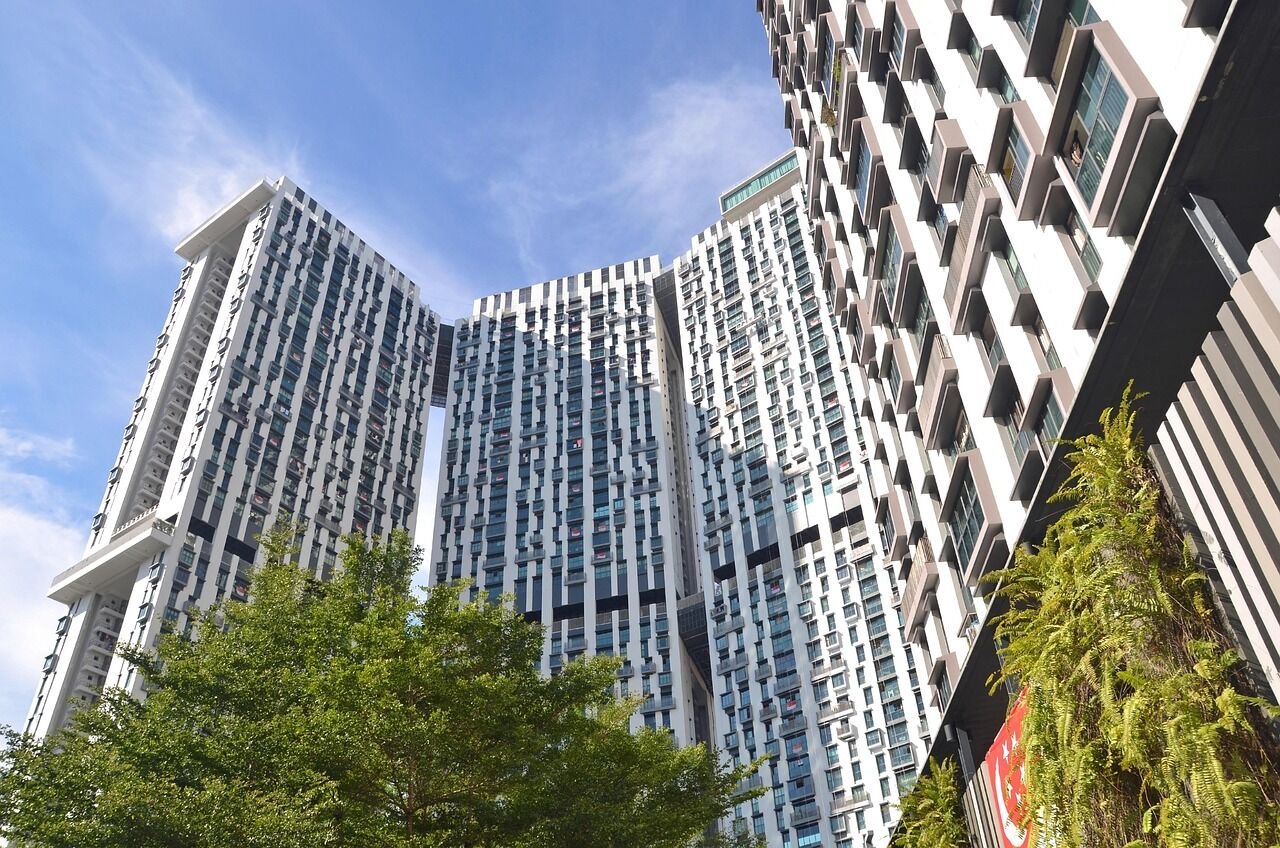
Kuala Lumpur’s condominium market has become increasingly complex, and one of the biggest questions buyers now ask is whether older KL condos still make financial sense compared to the latest launches. With more high-rise units in KLCC, Mont Kiara, Bangsar, Cheras, Setapak and Desa ParkCity entering the market every year, the gap between new and older projects is widening in terms of pricing, facilities, and buyer expectations.
Older condos in KL often come with larger built-ups and established communities, but also higher maintenance needs and sometimes slower capital appreciation. New launches promise modern facilities and lifestyle concepts, yet carry higher prices and construction risk. Understanding how these dynamics work in different parts of Kuala Lumpur is critical for making sound investment decisions.
How the Kuala Lumpur condo landscape has evolved
Over the past 15 years, Kuala Lumpur has shifted from a city with a limited number of high-end condos to a highly stratified market with multiple segments. KLCC has positioned itself as a premium high-rise address, while Mont Kiara has become an expatriate and family-focused condo hub. Areas like Cheras and Setapak have seen mass-market and mid-range launches, and Desa ParkCity has built a reputation for master-planned living.
Earlier-generation condos in these areas were often built with larger built-up sizes and more practical layouts. Many KLCC and Mont Kiara units from the mid-2000s easily exceed 1,500 sq ft. In contrast, newer projects increasingly focus on compact units below 1,000 sq ft to keep absolute prices at a more palatable level, even as per-square-foot prices climb.
This evolution creates a clear split: older condos tend to offer more space at a lower entry price per square foot, while new launches emphasize lifestyle, branding and facilities at a higher price point. The question for investors is how these differences translate into long-term returns, rental stability, and exit prospects.
Price gaps between older and new KL condos
In many key Kuala Lumpur locations, the price gap between older and new condos can be significant. New launches in KLCC or Mont Kiara can be priced at a substantial premium versus older completed projects in the same vicinity. Buyers need to determine whether this premium is justified by rental demand, building quality, and perceived prestige.
Older condos may appear undervalued on a per-square-foot basis, especially those with good locations but aging facilities. However, lower prices do not automatically mean better value. Maintenance quality, sinking fund levels, and the ability of the joint management body (JMB) or management corporation (MC) to enforce standards all influence how an older condo will perform financially.
The following table illustrates, in a simplified way, how older versus newer condos can differ across several KL submarkets:
| Area | Typical older-condo PSF | Typical new-launch PSF | Buyer focus |
| KLCC | Lower but volatile; depends on building age & reputation | High; branding and facilities driven | Investors & high-income owner-occupiers |
| Mont Kiara | Moderate; many existing choices, competitive | Higher; lifestyle concepts & smaller units | Expatriates, families, long-term investors |
| Bangsar | Stable; established demand for older, larger units | Premium; limited land, strong owner-occupier base | Upgraders, professionals, some investors |
| Cheras | More affordable; older stock with basic facilities | Mid-range; integrated transit and malls drive pricing | First-home buyers, value-focused investors |
| Setapak | Budget to mid-range; student & worker demand | Mid-range new launches; higher density | Yield-focused investors, younger buyers |
| Desa ParkCity | Strong; even older condos benefit from township appeal | High; master-planned lifestyle premium | Families, upgraders, long-term owner-investors |
These patterns are not fixed, but they illustrate an important point: the discount or premium of older versus new condos is highly area-specific. In a tightly held location like Bangsar, older condos can retain strong prices due to limited new supply and strong owner-occupier demand, whereas in areas with abundant supply like Setapak, older projects may struggle to keep up.
Rental yields and occupancy: where older condos still compete
From an investor point of view, gross rental yield and occupancy are more meaningful than headline prices. In KLCC, some older condos with lower purchase prices can offer yields that are comparable, or occasionally superior, to newer, high-priced launches. However, vacancy risk is real, especially when many similar units are competing for tenants.
Mont Kiara shows a different dynamic. Older projects with spacious layouts and established expatriate communities can still attract long-term tenants, especially families and those with school-going children. While newer condos may command slightly higher rents per square foot, the capital outlay is also higher, making yield comparisons less straightforward.
In more mass-market areas like Cheras and Setapak, tenants often prioritize rental amount and location over having the latest facilities. Here, older condos near LRT/MRT stations or universities can generate steady occupancy if managed properly. Investors should calculate net yield after maintenance and sinking fund charges, as older projects may carry higher fees due to aging infrastructure.
Maintenance, facilities, and liveability considerations
One of the biggest differentiators between older and newer KL condos is how well common facilities have been maintained over time. In certain older buildings in KLCC or Setapak, swimming pools, gyms and common areas may feel dated or poorly kept, affecting tenant demand and resale potential.
On the other hand, some older condos in Mont Kiara, Bangsar and Desa ParkCity have strong management bodies that proactively upgrade facilities, repaint exteriors and improve security. These efforts can narrow the perceived gap between older and new, sustaining both rental and resale demand.
New launches typically highlight modern facilities, co-working spaces, sky lounges and integrated retail. While these can support higher asking prices, the long-term question is whether the management can maintain these features without excessively raising maintenance fees. Buyers should review projected or current maintenance charges carefully, as very high fees can deter both owner-occupiers and tenants.
Location dynamics: core vs emerging KL condo areas
Location still shapes investment outcomes more than building age alone. In KLCC, proximity to iconic landmarks and offices maintains interest, but oversupply of luxury units has limited price growth in some sub-segments. Here, the difference in rent between an older and a brand-new condo may not always match the price gap.
In Mont Kiara, international schools and established amenities support a reasonably deep rental pool. Older condos with good access and larger layouts may attract tenants who are less sensitive to having the latest design, prioritising space and neighbourhood familiarity instead.
Bangsar, with its limited land and mature profile, often favours older condos with large built-ups and easy access to eateries, offices and LRT stations. In contrast, Cheras and Setapak are more sensitive to connectivity and pricing. New MRT-linked projects in Cheras and newer mixed-use developments in Setapak can draw demand away from older blocks that lack convenient access or updated facilities.
Key signals when comparing older versus new KL condos
Buyers evaluating options in Kuala Lumpur should look at specific, practical indicators rather than just building age or brochure appeal. Some of the most useful signals include:
- Occupancy rate: High unoccupied levels in an older building can signal management or location issues, while low take-up in new launches can hint at pricing or oversupply risks.
- Maintenance fee trend: Review how charges have changed over the last few years and whether major repairs are planned.
- Rental transaction data: Look at actual asking and achieved rents in KLCC, Mont Kiara, Bangsar, Cheras, Setapak, or Desa ParkCity projects you are considering.
- Buyer and tenant profile: Understand who actually lives or rents there—students, families, professionals, expatriates—and whether that profile is stable.
- Upcoming competing supply: Check how many new condo units are expected to complete nearby within the next 3–5 years.
Focusing on these operational details gives a clearer picture than simply assuming that newer is always better or that older is always undervalued.
Risk factors: what can go wrong with older and new KL condos
Every condo investment in Kuala Lumpur carries risks, regardless of age. Older condos can face large repair bills for lifts, waterproofing or façade works, which may require special levies on owners. Weak management or disagreements within the JMB/MC can delay necessary upgrades and hurt the building’s reputation.
New launches, on the other hand, come with completion and delivery risk. Delays, quality issues upon vacant possession, or unrealistic maintenance projections can affect returns. In some KL projects, actual maintenance fees after a few years have ended up higher than initially marketed, affecting net yield and resale prospects.
Market risk is a common factor. In areas like KLCC and certain parts of Mont Kiara, a large number of similar high-rise units means that soft rental demand or economic weakness can quickly pressure rents and selling prices. In contrast, areas with more balanced supply like parts of Bangsar or Desa ParkCity may see slower but more stable movements.
When older condos may make more sense
Older condos in Kuala Lumpur can be attractive for buyers who prioritise space, established communities and realistic pricing. In Bangsar and certain parts of Mont Kiara, older projects with good management and strong locations can offer a solid combination of lifestyle and long-term liveability.
In KLCC, some older condos now trade at substantial discounts compared to peak years, creating selective opportunities for investors who are comfortable with more volatile price cycles and who do not rely solely on short-term capital gains. However, micro-location within KLCC, building reputation, and tenant demand must be analysed carefully.
In more affordable markets like Cheras or Setapak, an older condo close to rail transit, universities, or major employment centres can still generate reasonable yields, especially if purchased below market value. The key is to differentiate between “old but well-managed” and “old and neglected.”
When new launches may justify their premium
New launches in Kuala Lumpur may be more suitable for buyers who value modern layouts, contemporary facilities and do not want to deal with immediate renovation or repair issues. In Desa ParkCity, for example, newer condos can command premiums because they plug directly into a highly curated township environment with strong owner-occupier appeal.
In Cheras and Setapak, transit-oriented developments with direct connectivity to LRT/MRT stations and integrated retail may justify higher prices if the area is still undergoing transformation. For buyers planning to own long-term and eventually occupy the unit themselves, paying more for the right product and location may be acceptable, even if rental yields are not maximised.
For pure investors, however, any new launch in KLCC, Mont Kiara or other established areas should be stress-tested with conservative rent assumptions and realistic maintenance fee projections. Relying on optimistic rental or capital appreciation forecasts for new projects can lead to disappointment, especially in segments with high incoming supply.
“In Kuala Lumpur’s condo market, the quality of management and the depth of real end-user demand often matter more than whether a building is simply old or new.”
Frequently asked questions (FAQ)
Is it better to buy an older or a new condo in KL for investment?
Neither is automatically better. Older condos in KLCC, Mont Kiara or Bangsar may offer lower entry prices and larger built-ups, but require more due diligence on management quality and future repair needs. New condos can be easier to rent initially due to their modern appeal, yet their higher prices and incoming competition may compress yields. Investors should compare net yield, occupancy risk and future supply in the specific area.
How are condo prices in Kuala Lumpur expected to move in the next few years?
Price movements are likely to remain uneven across KL. Segments with significant supply, such as parts of KLCC and high-density corridors in Cheras and Setapak, may see more moderate price growth as the market absorbs completed units. Areas with more limited land and strong owner-occupier demand, like Bangsar and Desa ParkCity, may be more resilient. Pricing will continue to be influenced by economic conditions, interest rates and employment trends.
Are older condos in KL riskier because of higher maintenance costs?
Older condos can carry higher maintenance and repair risks, but this varies widely by project. A well-managed older condo in Mont Kiara or Bangsar with a healthy sinking fund and transparent communication can remain competitive for a long time. The real concern is poorly maintained properties with under-funded sinking funds, where sudden major repairs may require special levies that affect owners’ cash flow.
How should I decide when to buy a KL condo—should I wait or act now?
Timing the market perfectly is difficult in Kuala Lumpur, particularly with different submarkets moving at different speeds. A more practical approach is to define your budget, preferred locations (for example, KLCC vs Mont Kiara vs Cheras), and investment goals, then track actual transactions and rental data. If you find a unit that meets your criteria, shows reasonable value compared to similar properties, and you can hold through market cycles, waiting purely for a better “timing” may not add much advantage.
Do new KL condos always have better rental demand than older ones?
Not always. While new condos in KL often attract initial attention from tenants, especially in the first few years, long-term rental demand depends more on location, accessibility, surrounding amenities, and management quality. In some cases, older condos with larger layouts and established communities in Mont Kiara or Bangsar maintain very steady demand from families and long-term tenants, even against newer competition.
This article is for educational and market understanding purposes only and does not constitute financial, property, or
investment advice.