
Living in Setapak: Practical Area Guide for KL Condo Residents and Investors
Setapak sits on the north-western fringe of central Kuala Lumpur, just a short drive from KLCC but with a very different vibe and price point. Historically a working-class and student area anchored by Tunku Abdul Rahman University of Management and Technology (TAR UMT, formerly TARUC), it has evolved into a high-density condo neighbourhood with strong rental demand and improving amenities. For many, Setapak offers a compromise between affordability and city access.
This guide looks at Setapak from both a lifestyle and property perspective, to help you decide if it fits your living needs or investment strategy in Kuala Lumpur.
“In Kuala Lumpur, choosing the right neighbourhood often matters as much as choosing the right property.”
Location and Connectivity
Setapak lies north-west of KLCC, broadly covering areas around Jalan Genting Klang, Wangsa Maju, Taman Setapak, and Danau Kota. It borders Wangsa Maju and is not far from Sentul and Gombak. Many residents see it as a more affordable alternative to central Kuala Lumpur neighbourhoods.
Connectivity is one of Setapak’s key strengths. Several LRT stations on the Kelana Jaya Line serve the wider area, including Wangsa Maju, Taman Melati and Sri Rampai, depending on the specific condo location. From Wangsa Maju LRT, KLCC is about 15–20 minutes by train.
By car, Setapak links to major routes such as the MRR2, DUKE Highway, AKLEH, and Jalan Pahang. Travel times can vary significantly with traffic; peak-hour congestion is common on Jalan Genting Klang and around the LRT access roads.
Neighbourhood Character and Atmosphere
Setapak is decidedly more down-to-earth compared to Mont Kiara or Bangsar. It is dense, busy and somewhat chaotic in parts, with a mix of older shophouses, budget apartments, student housing and newer condominiums. The streets around TAR UMT are often packed with students, small eateries and motorbikes.
The area attracts a broad demographic: students, young professionals, families, and blue-collar workers. You will find more motorbikes than in KLCC, more budget eateries than artisanal cafes, and generally fewer expats compared to Mont Kiara or Desa ParkCity. That said, newer integrated developments are slowly changing some pockets of Setapak to be more lifestyle-oriented.
Amenities: Malls, Groceries and Daily Convenience
Setapak has grown around practical, everyday needs. Large-scale lifestyle destinations like KLCC and Desa ParkCity are driving distance away, but for daily life many residents rely on local malls and neighbourhood shops.
Key amenities include:
- Hypermarkets and supermarkets: multiple options along Jalan Genting Klang and within nearby malls, suitable for budget-conscious households.
- Neighbourhood malls: local shopping centres with cinemas, F&B chains, fashion outlets and services, catering mainly to mid-market shoppers.
- Wet markets and night markets (pasar malam): popular for fresh produce and cheap food, but they can add to traffic and parking pressure on market days.
While the area does not have the polished retail mix of Bangsar Shopping Centre or Pavilion KL, residents generally find it easy to handle everyday errands within a short distance. For more premium shopping and dining, many still head to KLCC, Bukit Bintang, or Mont Kiara.
Food and Lifestyle
Setapak’s food scene is practical and affordable, shaped strongly by student and family demand. Expect plenty of kopitiams, mamak restaurants, mixed rice stalls, and simple cafes. Late-night dining is common in certain pockets due to the student population, with 24-hour outlets and food delivery riders constantly moving around.
Modern cafes and specialty coffee spots do exist but are more scattered compared to denser lifestyle hubs like Bangsar or Cheras’s trendier pockets. If you enjoy a heavy concentration of Instagram-friendly cafes and bars within walking distance, Setapak may feel limited, but you can reach such areas by LRT or car within 20–30 minutes.
For nightlife, Setapak is low-key. Most residents go to the city centre or Hartamas/Mont Kiara for bars and clubs. This makes the area more suited to those who prioritise affordability, convenience and quiet home life over entertainment right at their doorstep.
Parks, Greenery and Liveability
Setapak is not particularly known for green, master-planned environments like Desa ParkCity. Many condos provide their own landscaped facilities—pools, small gardens, gyms and playgrounds—but the public realm can feel hard and concrete-heavy, especially along the main roads.
There are some neighbourhood parks and recreational spots within driving distance, and residents often head out to the larger parks in other parts of Kuala Lumpur during weekends. For those who need quick park access for daily jogging or walking dogs, Setapak may require more planning and travel compared to more nature-focused townships.
Noise levels can also be an issue in certain blocks near main roads, mosques, or student hangouts. When evaluating a condo here, it is worth visiting at different times of day to check traffic noise, PA system volumes, and surrounding activity.
Transport: Public Transit vs Driving
Public transport is one of Setapak’s functional strengths. Many residents rely on the LRT to reach KLCC, KL Sentral, or other job hubs along the Kelana Jaya Line. Feeder buses and e-hailing services fill the gaps between condos and stations, although walking conditions can be inconsistent due to narrow pavements and weather exposure.
However, road traffic remains a major concern. Peak hours around Jalan Genting Klang, the MRR2 intersections, and DUKE access points can slow down commutes considerably. Parking is often tight in older commercial pockets, with double parking a common sight. Residents who drive should factor in potential delays and be realistic about commute times.
Compared with Cheras or Setapak’s own neighbouring Wangsa Maju, the pattern of congestion feels similar: multiple condos and campuses feeding into a few main roads. For car-dependent households, condo choice (entry/exit points, distance to main junctions) can make a noticeable difference in daily convenience.
Who Setapak Suits Best
Different Kuala Lumpur neighbourhoods appeal to different lifestyles. Setapak tends to attract residents and investors with practical priorities.
- Students and young graduates who study or work nearby and want affordable rent with decent facilities.
- First-time buyers looking for relatively lower entry prices compared to KLCC, Mont Kiara or Bangsar.
- Investors targeting student and young professional rentals with consistent but price-sensitive demand.
- Families on a budget who prioritise connectivity to the city and access to schools over lifestyle amenities.
- Those who do not mind density and traffic, and who primarily need a functional base close to central Kuala Lumpur.
On the other hand, if you want low-density living, extensive greenery, high-end retail, and a large expat community, areas like Desa ParkCity, Bangsar or Mont Kiara may align better with your expectations, albeit at a higher cost.
Property Landscape: Condos, Density and Pricing
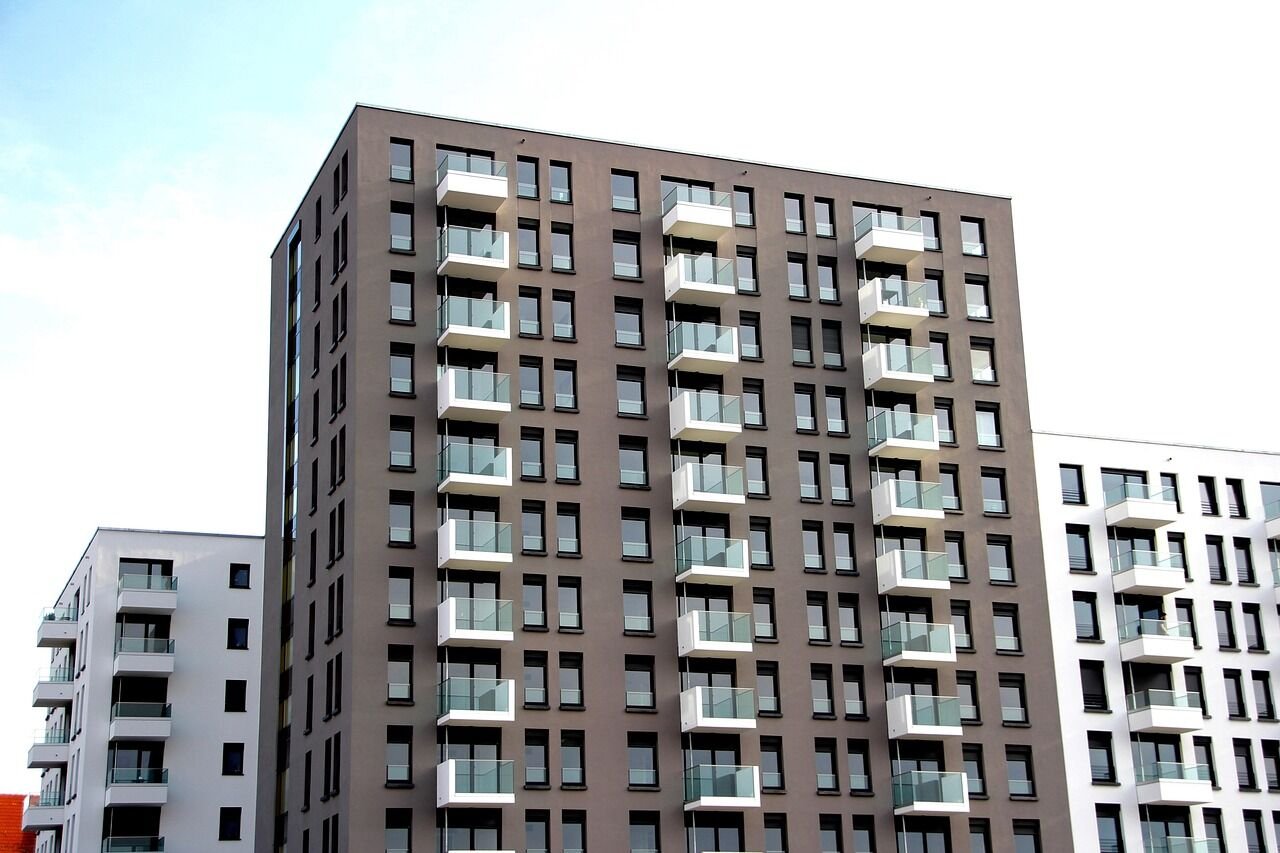
Setapak’s built environment is dominated by high-rise residential towers and older apartments, especially along and near Jalan Genting Klang. Newer condominiums tend to be mid-range in positioning: better facilities than older walk-up flats, but not as premium as branded KLCC or Mont Kiara developments.
Density is high. Many projects feature several towers on a single plot, with small unit sizes aimed at students and young couples. This is attractive for rental yields but can affect privacy, lift waiting times, and congestion in car parks and common areas.
As of 2026, transacted and asking prices in Setapak typically sit below prime central Kuala Lumpur. For example, standard condo units here may be significantly cheaper per square foot compared to KLCC, and still noticeably below Mont Kiara and many Bangsar apartments. However, prices vary widely based on age, maintenance, proximity to LRT, and project reputation.
Rental Demand and Investment Perspective
Rental demand in Setapak is underpinned by three main groups: students, young professionals, and local families. Student demand is especially strong around TAR UMT and other nearby institutions, supporting a steady market for studio and small two-bedroom units.
For investors, this means relatively high occupancy is possible if units are well-priced and well-managed. However, competition is intense due to the large supply of similar condominiums. Tenants tend to be price-sensitive, and minor differences in furnishing and maintenance can strongly affect rentability.
Yields can look attractive on paper because of lower entry prices, but investors should factor in potential:
- Vacancy periods between tenancies, especially during academic breaks.
- More frequent tenant turnover with student tenants.
- Higher wear and tear on units, leading to more maintenance costs.
- Service charges that may rise over time in high-density projects.
Compared to more lifestyle-driven rental markets in KLCC or Mont Kiara (which attract corporate tenants and expats), Setapak’s rental market is more volume-based and locally driven. This can be more resilient during economic swings but less likely to see premium rents.
Setapak vs Other KL Neighbourhoods
When choosing where to buy or rent in Kuala Lumpur, it can help to frame Setapak against other familiar districts. The table below summarises some key contrasts.
| Factor | Observation (Setapak) | Impact |
|---|---|---|
| Property prices | Generally lower than KLCC, Mont Kiara, Bangsar; comparable or slightly higher than some parts of Cheras and Setapak-adjacent suburbs | Lower entry cost for first-time buyers and yield-focused investors |
| Rental demand | Driven by students and local workers; stable but price-sensitive | Potentially good occupancy, but careful pricing and management needed |
| Lifestyle and cafes | Functional, with plenty of everyday eateries but fewer upscale cafes and bars | Suited to practical living rather than lifestyle-driven buyers |
| Greenery and environment | High-density urban feel; less landscaped public space than Desa ParkCity or some parts of Bangsar | May not appeal to those seeking quiet, green surroundings |
| Connectivity | Good LRT access and multiple highways; frequent peak-hour congestion | Attractive for commuters who can tolerate traffic or rely on LRT |
Everyday Living Considerations
Beyond prices and yields, daily liveability matters. Residents in Setapak should realistically expect busy roads, crowded lifts in some developments, and occasional noise from surrounding commercial activity. Street-level conditions—pavements, crossings, drainage—can be inconsistent depending on the specific micro-location.
Security is a mixed picture: most condominiums have guarded entrances and access control, but the wider area shares typical urban Kuala Lumpur issues such as petty crime and opportunistic theft, particularly in crowded commercial pockets and poorly lit streets. Choosing a development with good management and internal security is especially important here.
Families will find a range of schools and childcare options in and around Setapak, from public schools to some private and international options within driving distance. However, the neighbourhood does not position itself as a “family lifestyle enclave” in the same way as Desa ParkCity or some Bangsar pockets.
Is Setapak Right for You?
Setapak can make sense if your priorities are affordability, connectivity to Kuala Lumpur’s core, and rental potential rather than prestige or lifestyle branding. It suits residents who are comfortable with density and a more utilitarian environment, and investors who are willing to manage active, turnover-driven tenancies.
Those seeking a quieter, lower-density environment, significant green space and a more curated retail and F&B scene might find Setapak less satisfying and may prefer paying more for alternatives like Desa ParkCity, Bangsar or parts of Cheras with better master-planning.
As with any Kuala Lumpur neighbourhood, on-the-ground visits, talking to current residents and reviewing actual transaction data are essential before committing to a purchase or long-term rental.
Frequently Asked Questions about Setapak
1. Is Setapak a good place to live for working professionals in Kuala Lumpur?
Setapak can work well for professionals who value lower rent or purchase prices and can either use the LRT or accept some degree of traffic in their commute. It is not as polished as Mont Kiara or Bangsar, but daily convenience is strong, and access to KLCC and central job hubs is relatively straightforward via train or major roads.
2. How strong is the rental demand in Setapak?
Rental demand is generally strong, especially for smaller units near TAR UMT and LRT stations. Occupancy rates tend to be healthy due to the large student and local worker population. However, because supply is high, landlords must remain competitive on price, furnishings and unit condition to maintain good occupancy.
3. Are property prices in Setapak likely to appreciate?
Price growth in Setapak historically has been moderate rather than spectacular, reflecting its mid-market positioning and high supply. Future appreciation is more likely to track broader Kuala Lumpur trends and infrastructure improvements rather than sudden jumps. Projects with better management, location and maintenance may outperform older or poorly maintained stock.
4. Is Setapak suitable for family living?
Setapak can be suitable for families who prioritise budget and connectivity over estate-style living. Schools, clinics and basic amenities are accessible, but public green space and low-density environments are limited compared to suburbs designed with families in mind. Families often choose condos with better internal facilities and security to compensate for the busier surroundings.
5. Should investors choose Setapak over areas like Cheras or Setapak’s neighbouring townships?
Setapak, Cheras and adjacent KL suburbs each have their own rental bases and price dynamics. Setapak’s advantage lies in its concentration of students and proximity to central Kuala Lumpur, while Cheras offers broader family and commuter demand with strong MRT connectivity. An investor’s choice should depend on target tenant profile, risk tolerance for vacancies, and personal familiarity with managing high-density, student-oriented properties.
This article is for educational and market understanding purposes only and does not constitute financial, property, or investment advice.
