
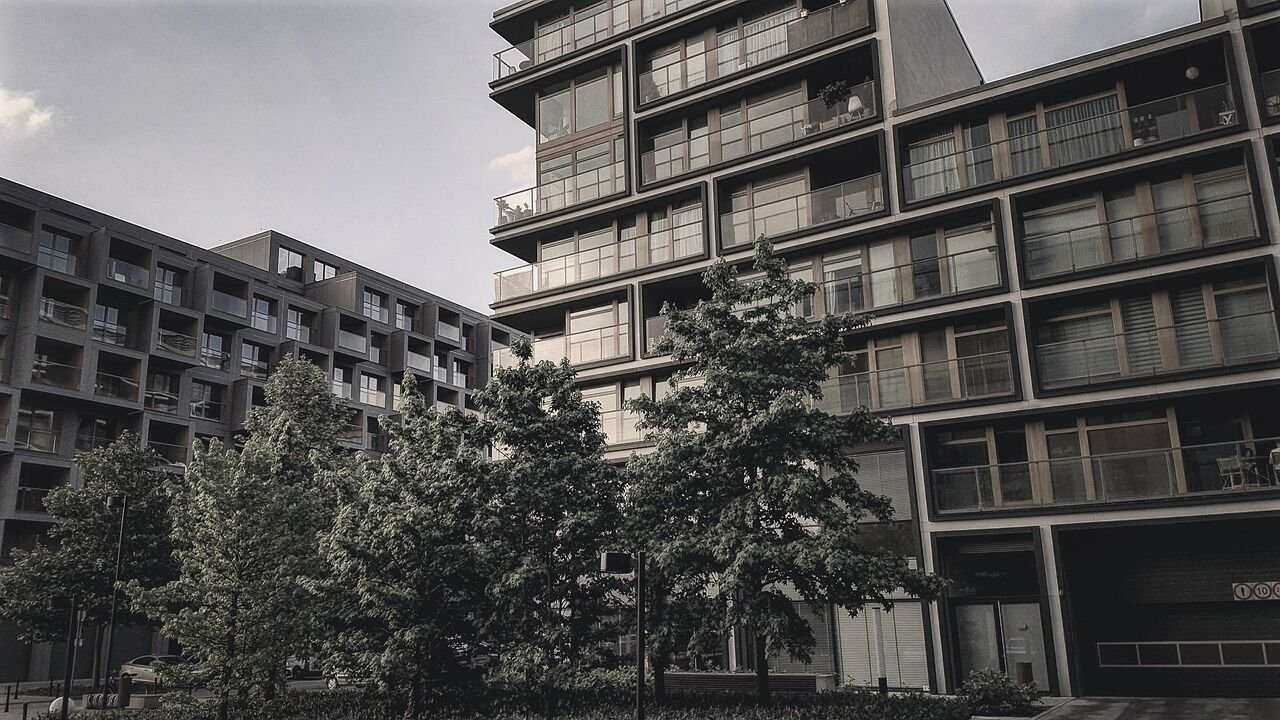
Understanding Kuala Lumpur Condo Rental Demand in 2025
Kuala Lumpur’s condo rental market remains active, but it is more tenant-sensitive and price-driven than many landlords expect. Typical rents for mass market condos range from about RM1,600–RM4,000 per month, depending on location, size, and condition. For landlords, the key to stable returns is not chasing the highest rent, but achieving consistent occupancy with reliable tenants.
In KL, rental demand is anchored by three main groups: working professionals, students, and expats. Each cluster focuses on different locations, price points, and condo types, which means landlords must match their unit and pricing to the right tenant profile. A unit that is well-positioned for its target tenant can rent out in 2–4 weeks; an overpriced or poorly presented unit can sit vacant for months.
Instead of treating your condo as a passive asset, it helps to manage it like a small business. That means understanding your “customers” (tenants), your “product” (unit type and condition), and your “pricing” (rent vs nearby supply). This is how you improve your rental yield and reduce vacancy risk.
Who Is Renting Condos in Kuala Lumpur?
Most rental demand in KL comes from young working professionals (Malaysian and foreign), students at universities and colleges, and expatriates working for multinationals. Each segment behaves differently in terms of location choice, budget, and tenancy length. As a landlord, matching your unit to the correct segment is often more important than minor rental differences.
In KLCC, rental demand is dominated by expats and higher-income professionals who value proximity to offices and lifestyle amenities. However, the supply of condos is high and competition is intense, especially for older and mid-tier units. In Mont Kiara, the tenant base is also heavily expat-oriented, with many families and professionals drawn to international schools and a self-contained neighbourhood.
Areas like Bangsar, Cheras, and Setapak lean more towards local professionals and students. Bangsar attracts white-collar tenants who want lifestyle and connectivity; Cheras and Setapak serve a mix of middle-income workers and tertiary students (e.g. UCSI, TAR UMT and nearby institutions). Demand in these areas is more price-sensitive but often more stable, especially for well-maintained, mid-priced units near MRT/LRT lines.
How Location Affects Rental Speed and Tenant Profile
Location in Kuala Lumpur is no longer just “central vs non-central.” Tenants think in terms of commute time, connectivity, and lifestyle. For landlords, this means understanding how your area competes within its segment.
In KLCC, rents are higher but competition is tough. Many new and luxury condos chase a small pool of high-paying expats. A mid-range unit here must be realistically priced, or it will be overshadowed by newer options with better facilities. Vacancies can drag on if landlords hold out for peak rents from previous cycles.
In Mont Kiara, good units near international schools and retail hubs generally rent out reasonably fast because the neighbourhood has a clear identity. However, older projects and large layouts may face slower demand unless priced attractively or updated. Mid-sized units (e.g. 900–1,300 sq ft) at reasonable rents often perform better than oversized apartments with very high monthly commitments.
Bangsar units near LRT stations and popular commercial strips (e.g. Telawi, Bangsar Village) tend to rent faster, with many young professionals preferring this area over KLCC due to lifestyle and traffic considerations. In Cheras and Setapak, connectivity to the MRT/LRT makes a major difference; condos within walking distance to stations typically rent quicker to students and young workers, even if the project is not “luxury.”
The Role of MRT and LRT in Rental Demand
For most tenants, public transport is a practical cost and time decision. In KL, good MRT/LRT access often matters more than a “prestige address”, especially for middle-income tenants. Landlords sometimes underestimate how heavily tenants discount units that require multiple transits or long walks to the nearest station.
Condos in Cheras along the MRT line, such as near Taman Mutiara or Taman Connaught, have seen stronger rental interest from students and office workers commuting into the city. Similarly, Setapak condos near LRT stations or bus links to TAR UMT tend to enjoy consistent student demand, even if the projects are older.
In contrast, a condo in a “good” area but poorly connected can struggle unless parking is ample and your target tenants mostly drive. This is where mid-priced condos with decent facilities and strong public transport links often outperform expensive luxury units that are inconvenient to access.
Realistic Rental Levels and What Drives Them
For most mass market condos in Kuala Lumpur, realistic rents typically fall between RM1,600–RM4,000 per month. Units at the lower end of this range are often smaller, older, or in more suburban areas, while higher rents tend to be in established or premium zones like Mont Kiara, Bangsar, and selected KL city locations.
Within this range, the key drivers of rent include:
- Location and connectivity: Proximity to MRT/LRT, major offices, universities, and shopping areas.
- Unit size and layout: Usable layouts with practical bedroom sizes often rent better than awkward or overly large units.
- Furnishing level: Fully furnished units usually command higher rent, but returns must justify the furnishing cost and wear-and-tear.
- Project reputation and facilities: Clean common areas, working facilities, and perceived safety influence tenant willingness to pay.
- Competition in the same project and area: High supply means tenants can compare options quickly, so overpricing is easily punished.
Most tenants research on listing portals and will quickly identify market-consistent rents. Overpricing by even RM200–RM300 can reduce enquiries significantly, especially in areas with many similar units available.
Pricing Strategy: How to Avoid Long Vacancies
A practical rule in Kuala Lumpur is that well-priced units should be able to secure a tenant within 2–4 weeks, assuming they are marketed properly and in good condition. If a unit is vacant for more than a month with few viewings, price and presentation are usually the culprits.
Rather than aiming for the highest possible rent, it is often smarter to target the best achievable rent that still delivers quick occupancy. A difference of RM100–RM200 per month is often less important than losing 1–2 months of rent each year due to vacancy. Over a 12-month period, a slightly lower but stable rent can actually produce a higher effective yield.
Many landlords fall into the trap of anchoring their rent to their loan instalment or past peak rents. Tenants do not care about your mortgage; they compare your unit with other choices in the market today. Being objective about what similar condos are asking—and actually transacting for—is critical.
Mid-Priced vs Luxury Condos: Which Performs Better?
While luxury condos attract attention and high brochure prices, they do not always produce better rental yields. In KLCC and parts of Mont Kiara, high-end units can command high asking rents, but they also face high purchase prices and more competition. Vacancy periods can be longer if the target tenant pool is small or sensitive to economic cycles.
Mid-priced condos in established neighbourhoods often deliver more robust and stable yields. In Bangsar, Cheras, and Setapak, a reasonably priced unit with good access and decent facilities can achieve solid occupancy with relatively little volatility in rent. The tenant base is broader: local professionals, small families, and students make up a large, continuous demand pool.
Luxury units may perform if bought at an attractive entry price and matched to strong expat demand, but they can also underperform if purchased at peak prices with unrealistic rent expectations. For most individual investors, the balance of risk and return tends to favour well-located, mid-priced condos over trophy assets.
Key Factors Influencing Rent and Landlord Strategy
| Factor | Impact on Rent | Landlord Strategy |
|---|---|---|
| Proximity to MRT/LRT | Higher rent and faster take-up, especially for students and professionals | Highlight walking distance in listings; consider minor upgrades to attract car-free tenants |
| Furnishing Level | Fully furnished can add RM200–RM500 vs basic, depending on area | Provide durable, modern furnishings; avoid overcapitalising on luxury furniture |
| Project Competition | High competition caps rent and prolongs vacancy if overpriced | Benchmark against recent similar rentals; be willing to adjust asking rent quickly |
| Tenant Profile | Students and locals are more price-sensitive; expats may pay for convenience | Align unit setup (furnishing, layout, internet) with your primary target segment |
| Unit Condition | Worn-out units attract low offers and higher tenant turnover | Budget for repainting, minor repairs, and appliance upgrades every few years |
Boosting Rental Yield Without Taking Excessive Risk
Rental yield in Kuala Lumpur typically sits in the 3–5% range for most condos, depending on entry price and area. Pushing this higher safely is more about managing entry price, vacancy, and maintenance than squeezing every last ringgit from the rent. Overpricing may look good on paper but can erode yield once vacancy is factored in.
Simple ways to enhance yield include buying below market value where possible, choosing projects with reasonable maintenance fees, and targeting areas with broad and durable tenant demand. Reducing frequent tenant turnover through careful screening and responsive management also minimises vacancy and repair costs between tenancies.
In many cases, a slightly lower rent with a high-quality, longer-term tenant is more profitable than constantly rotating tenants who pay a bit more but cause damage or payment delays. Yield is not just about the headline monthly rent; it is about the stability and predictability of your net cash flow.
Common Landlord Mistakes in the KL Condo Market
Even experienced landlords can make errors that reduce returns or increase stress. Recognising these patterns helps avoid repeat issues.
Some of the most common mistakes among Kuala Lumpur condo landlords include:
- Pricing based on instalment or emotion, instead of current market data in KLCC, Mont Kiara, Bangsar, Cheras, and Setapak.
- Ignoring minor repairs and cleanliness, leading to poor first impressions and low offers from good tenants.
- Over-furnishing units with expensive items that do not translate into higher rent, especially in student-heavy areas.
- Failing to screen tenants carefully, resulting in payment problems, misuse of the unit, or frequent disputes.
- Choosing a condo purely based on “brand” or marketing hype, without checking actual transacted rents and demand.
“In Kuala Lumpur, rental yield depends more on entry price and tenant demand than the project name itself.”
A disciplined approach to selection, pricing, and management usually outperforms speculation or reliance on glossy brochures. The best-performing landlords are those who treat rental property as a long-term, data-driven business.
Should You Self-Manage or Use an Agent?
The decision to self-manage or appoint an agent in KL depends largely on your time, experience, and risk tolerance. Self-managing can save agent fees, but it also requires effort to handle marketing, viewings, documentation, rent collection, and maintenance coordination. If you are overseas or very busy, mismanaging these tasks can cost more than the fee saved.
A competent agent can add value by advising on realistic rents, filtering unsuitable tenants, and handling negotiations professionally. This is particularly useful in more competitive areas like KLCC and Mont Kiara, where the right positioning and presentation can make a large difference. However, not all agents are equal; landlords should look for those active in the specific area and familiar with similar projects.
Whether you self-manage or use an agent, clear documentation and expectations are critical. This includes a solid tenancy agreement, properly recorded inventory, and written house rules aligned with condo management by-laws. Good paperwork reduces disputes and supports you if issues reach a formal stage.
FAQs: KL Condo Landlords’ Most Common Questions
1. What rental yield should I realistically expect in Kuala Lumpur?
Most condos in KL generate rental yields in the 3–5% range, depending on purchase price, location, and how well the unit is managed. Mid-priced condos in areas like Bangsar, Cheras, and Setapak often achieve the more stable end of this range when bought at sensible prices and rented to reliable tenants. Very high advertised yields usually come with higher risk, weaker locations, or unrealistic assumptions.
2. Is tenant demand still strong in KL, and in which areas?
Tenant demand remains generally strong, but increasingly selective. KLCC and Mont Kiara attract expats and high-income professionals, but competition between condos is intense. Bangsar appeals to professionals who value lifestyle and connectivity, while Cheras and Setapak see steady demand from students and local workers, especially near MRT/LRT. Units that are well-priced and well-presented in these areas typically find tenants within 2–4 weeks.
3. How should I decide on the right asking rent for my unit?
Start by checking recent listings and transacted rents for similar units in your project and nearby condos. Consider your unit’s exact location, view, furnishing level, and condition relative to those comparables. In Kuala Lumpur’s competitive market, it is usually better to list at a realistic, market-consistent rent and secure a tenant quickly, rather than aiming too high and facing months of vacancy.
4. How big is the vacancy risk if I buy a condo for rental in KL?
Vacancy risk depends on location, pricing, and how quickly you adjust to market feedback. In established, well-connected areas with strong tenant bases—such as parts of Bangsar, Cheras, Setapak, and some segments of Mont Kiara—reasonably priced units should not stay empty for long. In over-supplied or highly speculative pockets, particularly at the luxury end, vacancy periods can be longer and more volatile.
5. Is it better to self-manage or use an agent for my KL condo?
If you live nearby, have time, and are comfortable dealing with tenants, you can self-manage and save on agent fees. However, landlords who are overseas, busy, or unfamiliar with tenancy laws often gain more from a reliable agent managing marketing, viewings, screening, and paperwork. The key is to treat the agent as a long-term partner, select one with strong area expertise, and maintain open communication on expectations and rent strategy.
This article is for educational and market understanding purposes only and does not constitute financial, property, or
investment advice.
