

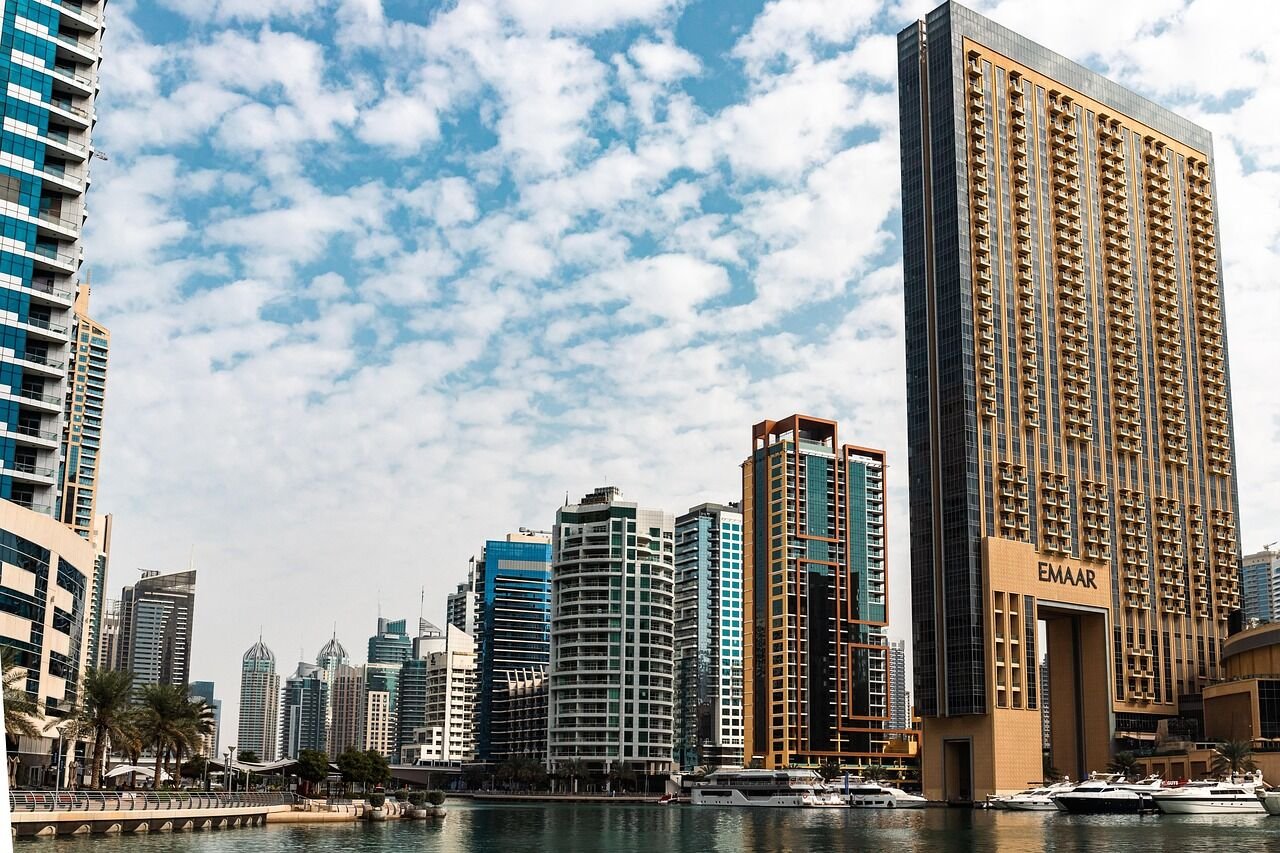
Living in Bangsar: A Practical Area Guide for Kuala Lumpur Condo Dwellers
“In Kuala Lumpur, choosing the right neighbourhood often matters as much as choosing the right property.”
Bangsar is one of Kuala Lumpur’s most established inner-city neighbourhoods, known for its café culture, nightlife, and matured residential streets. Located just a short drive from KLCC and neighbouring Mid Valley, it attracts a mix of young professionals, long-term expatriates, and families who want a central but relatively low-rise feel. At the same time, rising prices and limited land have turned Bangsar into a more selective market for both tenants and buyers.
This guide looks at Bangsar from a lifestyle and property perspective, focusing on condo living, rental demand, and what type of resident or investor it actually suits in 2026.
Location and Connectivity
Bangsar sits on the southwestern fringe of central Kuala Lumpur, between KLCC and Petaling Jaya. It has quick access to Mid Valley City, Brickfields (KL Sentral), and Damansara Heights. The area is generally divided into Bangsar Baru (around Telawi), Bangsar Utama, and the hillier residential zones closer to Pantai.
Road access is relatively strong for an older neighbourhood. You can reach the Federal Highway, New Pantai Expressway (NPE), and Sprint Highway within minutes from most condominiums. However, rush hour congestion is common, especially along Jalan Maarof, Jalan Telawi, and the main exits to the highways.
Public transport is better than in many KL condo clusters, but still not as integrated as places directly on the MRT line like Cheras or some parts of Mont Kiara’s newer fringes. Bangsar has an LRT station on the Kelana Jaya Line, and Abdullah Hukum LRT/KTM near Mid Valley is also within reach for some residents. That said, many daily errands are still done by car or e-hailing.
Everyday Lifestyle: What It Feels Like to Live in Bangsar
Daily life in Bangsar revolves around two main hubs: the Telawi commercial streets in Bangsar Baru, and the cluster around Bangsar Village and Bangsar Village II malls. This is where you’ll find supermarkets, boutique gyms, casual dining, banks, and medical clinics. Most condo residents will end up here several times a week.
The area is known for its café and restaurant density. Brunch spots, speciality coffee, and mid-range dining are plentiful, giving Bangsar a more “neighbourhood urban” feel compared to high-rise business districts like KLCC. Evening traffic and parking can be a headache, but walking between shops and eateries is comfortable by KL standards.
Nightlife is active but more contained than it used to be, with a mix of bars and lounges around Telawi. Some pockets can be noisy on weekends, so condo residents close to the bar streets should expect traffic and sound spillover late at night.
Green Spaces, Fitness, and Family Amenities
Bangsar does not have massive integrated parks like Desa ParkCity, but it offers smaller, functional green pockets. The main public park is around Jalan Bangkung and nearby residential roads, used for jogging, dog-walking, and family outings. Several condos also have decent in-house facilities, including pools and gyms.
Fitness enthusiasts have ample choice among boutique gyms, yoga studios, and pilates centres scattered around Bangsar Baru and Jalan Telawi. Cycling and running are possible but less popular than in larger park-based communities, because of traffic and the hilly layout of certain streets.
For families, the appeal lies more in lifestyle convenience than in large playgrounds. Parents rely on nearby international and private schools in Damansara Heights, Mont Kiara, and around KL Sentral, rather than within Bangsar itself. Many family-oriented residents treat Bangsar as a comfortable base that sits within a short drive of multiple schooling options and medical centres.
Who Is Bangsar Suitable For?
Not everyone will find Bangsar to be the ideal fit. Costs, density, and older building stock are key considerations. As a quick guide, Bangsar typically suits:
- Young and mid-career professionals working in central Kuala Lumpur, Damansara Heights, KL Sentral, or Mid Valley who value café culture and short commuting distances.
- Long-term expatriates who prefer a mature, walkable neighbourhood over high-rise enclaves like KLCC or Mont Kiara.
- Empty nesters and downsizers from larger landed homes in Petaling Jaya or older KL suburbs, seeking convenience in a familiar inner-city environment.
- Investors targeting stable rental demand from professionals and small families, but who are prepared for higher entry prices and more selective yields.
- Residents who prefer character over newness, and are comfortable living in older condos with upgraded interiors rather than brand-new townships.
Condominium Landscape: Old vs New Stock
Bangsar’s condo supply is mostly medium to high density, with a mix of 1980s–2000s developments and a smaller number of newer projects. Unlike Setapak or Cheras, you will not find large numbers of recent mass-market high-rises here, due to limited land and stricter local sentiment on overdevelopment.
This means many condos have larger built-up areas (1,200–1,800 sq ft is common for 3-bedroom units), but older facades and facilities. Renovated units can feel very modern inside, but buyers and tenants need to assess maintenance quality carefully. Some buildings have aged well with strong management, others are more tired and offer lower rents but come with compromises.
Newer, more upmarket condominiums tend to command premium pricing and are limited in number. They compete more directly with high-end condos in Mont Kiara and Damansara Heights, but without the same concentration of international schools. In many cases, Bangsar’s appeal is precisely its older, lower-rise streets and established feel, rather than brand-new towers.
Rental Demand in Bangsar
Rental demand in Bangsar is relatively steady rather than explosive. The tenant base is driven by professionals working in central Kuala Lumpur, KL Sentral, and nearby commercial districts, as well as expatriates who prefer neighbourhood convenience over city-centre landmarks. Demand tends to be strongest for 2–3 bedroom units in well-maintained buildings within walking distance of Bangsar Village or the main Telawi streets.
Smaller units can be harder to rent at premium rates compared to studio-heavy areas like KLCC, because many tenants here are couples or small families rather than single corporate tenants. On the other hand, larger but older units often attract long-staying tenants who value space and are willing to accept older common areas.
Yield-wise, Bangsar usually does not top the Kuala Lumpur charts. Gross yields are often moderate compared to more affordable pockets in Setapak or Cheras. However, tenancy stability and lower vacancy volatility can appeal to investors who prefer consistency over maximising percentage returns.
Buying vs Renting in Bangsar
The decision to rent or buy in Bangsar is tightly linked to budget and holding period. Because Bangsar is a matured and relatively premium neighbourhood, entry prices for condos are higher than many other Kuala Lumpur areas. For some residents, renting provides lifestyle access without the upfront capital commitment.
Owners who bought years ago benefit from gradual capital appreciation and the neighbourhood’s enduring appeal among locals. New buyers entering the market in 2026, however, need to be realistic: price jumps are unlikely to be as dramatic as in emerging pockets, and returns will be driven more by location resilience than by rapid redevelopment.
Compared to Bangsar, Mont Kiara may offer more modern condo stock and stronger expatriate clusters, while areas like Cheras and Setapak provide lower entry prices and potentially higher percentage yields, albeit with different tenant profiles. Bangsar sits in between: central, liveable, and well-known, but with a cost structure that rewards careful selection.
Practical Pros and Cons of Bangsar
| Factor | Observation | Impact |
|---|---|---|
| Location | Close to KLCC, Mid Valley, and Damansara Heights | Convenient for city workers; good long-term desirability |
| Transport | Highway access and LRT, but local congestion is common | Easy regional access, but peak-hour driving can be stressful |
| Condo stock | Mixed-age buildings, many with larger layouts but older facilities | Good space for families; require more due diligence on maintenance |
| Lifestyle | Strong café, dining, and everyday retail options | Appeals to professionals and lifestyle-focused residents |
| Rental demand | Steady, driven by professionals and expatriates | Stable tenancies, moderate yields |
| Price level | Higher than many Kuala Lumpur suburbs | Requires stronger income or capital; may not suit entry-level buyers |
| Green and family spaces | Smaller neighbourhood parks; reliance on nearby schools | Decent for families, but less self-contained than townships like Desa ParkCity |
Comparing Bangsar to Other Kuala Lumpur Areas
Against KLCC, Bangsar feels more residential, with fewer corporate towers and tourist elements. You sacrifice direct access to major office buildings and KLCC Park, but gain quieter, more local streets, and a community that is built around daily living instead of business tourism.
Compared with Mont Kiara, Bangsar’s expatriate concentration is more mixed with local residents, and its condos often have smaller communities rather than mega-developments. Mont Kiara offers more international schools and newer high-rises, while Bangsar provides better access to older parts of Kuala Lumpur and a more traditional urban layout.
When placed alongside Bangsar, areas like Cheras and Setapak stand out for affordability but do not yet match Bangsar’s established lifestyle offering and brand recognition. Desa ParkCity, on the other hand, surpasses Bangsar in terms of master-planned greenery and family facilities, but is further from KL’s traditional core and offers a very different, township-style environment.
Key Considerations Before Choosing a Bangsar Condo
Before committing to Bangsar, it’s worth matching your expectations with the area’s actual strengths. Those looking for brand-new facilities, resort-style landscaping, and very high yields might be better served in other Kuala Lumpur corridors. Those who value character, convenience, and neighbourhood feel may find Bangsar more aligned with their goals.
Investors should run conservative cash flow scenarios, accounting for realistic rent levels, maintenance fees (which can be higher in older buildings with extensive facilities), and occasional refurbishment costs. Owner-occupiers should walk the surrounding streets at different times of day to test traffic, noise, and walkability to daily amenities.
In short, Bangsar works best for residents and investors who are willing to pay for location, lifestyle, and familiarity, and who are comfortable with the idea that the area’s future growth is likely to be slow and steady rather than speculative and explosive.
FAQs About Living and Investing in Bangsar
1. Is Bangsar a good place to live for daily convenience?
Yes, for many residents Bangsar is highly convenient. Supermarkets, pharmacies, clinics, banks, and gyms are clustered around Bangsar Village and the Telawi streets, minimising the need for long drives. However, you will need to accept heavier traffic during peak hours and weekend parking difficulties in popular commercial pockets.
2. How does rental demand in Bangsar compare to areas like KLCC or Mont Kiara?
Rental demand in Bangsar is steady but more neighbourhood-driven. KLCC tends to attract corporate and short-term tenants who prioritise proximity to office towers, while Mont Kiara benefits from large expatriate communities and nearby international schools. Bangsar’s tenant base is a mix of locals and expatriates who want a central, liveable area with strong lifestyle amenities. Vacancies are generally manageable, but asking rents must match unit condition and location.
3. Are condo prices in Bangsar still rising in 2026?
Price movements in Bangsar have become more moderate, reflecting its status as a matured Kuala Lumpur neighbourhood. Rather than rapid spikes, most well-located properties show gradual, selective appreciation, particularly those with good upkeep and strong management. Buyers should focus less on speculation and more on long-term liveability and rental resilience.
4. Is Bangsar suitable for first-time property buyers?
It can be, but only for first-time buyers with stronger financial capacity. Entry prices and maintenance fees are higher than in many suburbs like Cheras or Setapak, so affordability is a key filter. First-time buyers who prioritise centrality, lifestyle, and larger built-up areas may find value in older Bangsar condos, but should be cautious about over-stretching their budget.
5. Should investors choose Bangsar over newer Kuala Lumpur townships?
This depends on investment strategy. Bangsar usually offers lower percentage rental yields than some newer or more affordable areas, but provides location stability and a well-established tenant pool. Investors seeking predictable, long-term occupancy may appreciate Bangsar, while those chasing higher yields or capital gains might explore emerging corridors or integrated townships with more development upside.
This article is for educational and market understanding purposes only and does not constitute financial, property, or investment advice.