
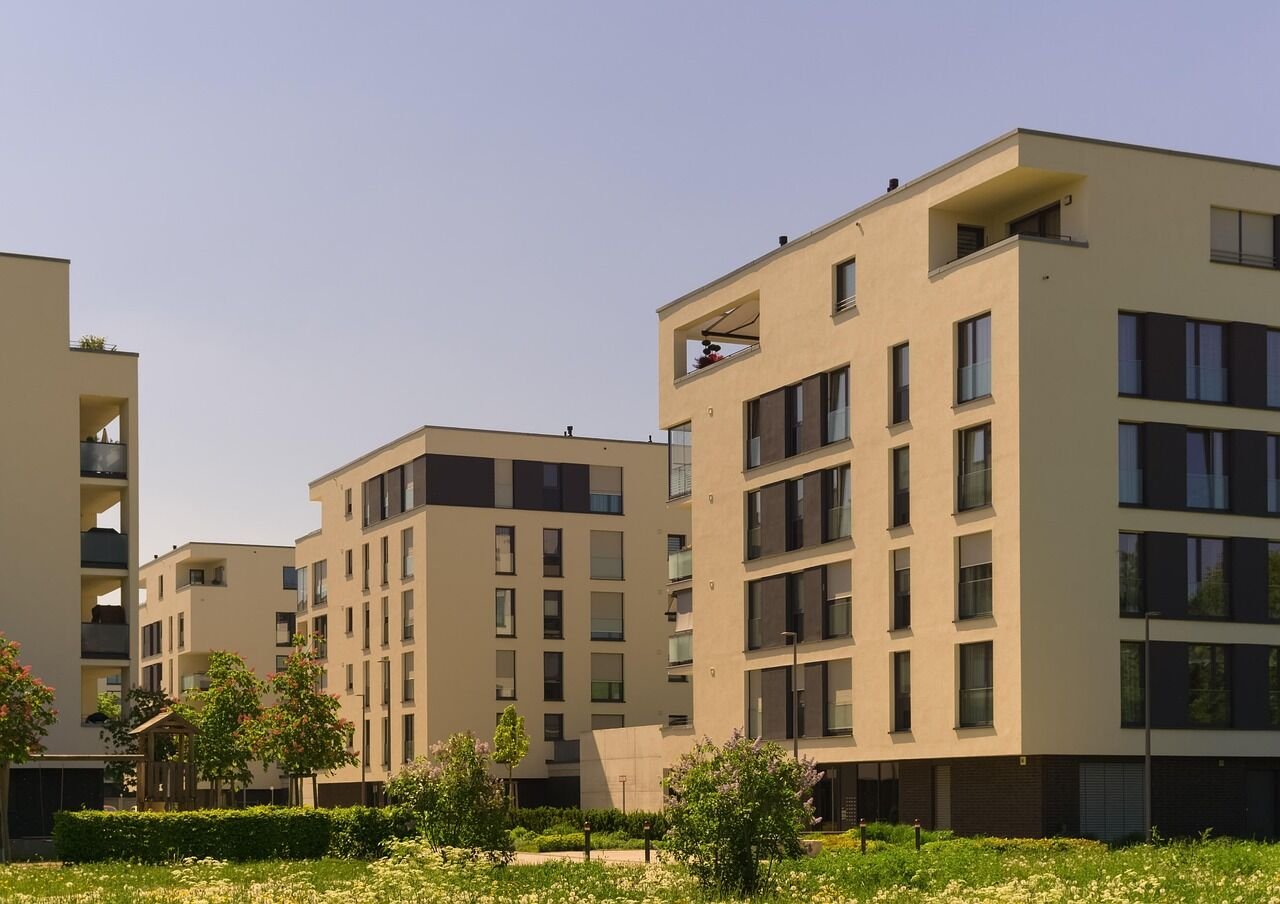
Understanding Kuala Lumpur Condo Rental Demand
Kuala Lumpur’s condo rental market is driven by a mix of working professionals, students, and a smaller but important expat segment. For landlords, the key to stable returns is understanding who is renting, what they can realistically pay, and how quickly they make decisions. In most mass-market projects, typical monthly rents in Kuala Lumpur range between RM1,600–RM4,000, depending on size, location, and condition.
Areas like KLCC and Mont Kiara attract higher-income tenants but also face more competition from similar units. In contrast, Bangsar, Cheras, and Setapak often see stronger value-based demand, especially around MRT/LRT lines and universities. Understanding where your unit sits in this spectrum helps you set realistic expectations for rent, vacancy, and tenant profile.
Who Is Renting Condos in KL?
In Kuala Lumpur, tenant demand is not uniform. Each area has a different core tenant group, which directly affects rental speed, achievable rent, and the level of wear and tear a landlord can expect. Matching your unit and furnishing level to the right tenant profile is often more important than trying to chase the highest possible rent.
Professionals dominate demand in KLCC, Bangsar, and Mont Kiara, with many tenants working in finance, oil & gas, technology, and professional services. Students and young graduates are concentrated in Cheras and Setapak due to proximity to educational institutions and lower rents. Expats are still active around KLCC and Mont Kiara, but many are more cost-conscious than a decade ago, preferring good value over branded luxury addresses.
How Location and Transport Affect Rental Performance
Accessibility is a major driver of rental demand in Kuala Lumpur. Tenants consistently prioritise travel time to work or campus, availability of public transport, and day-to-day convenience such as malls and eateries. Units that align with these practical needs tend to rent faster and face fewer prolonged vacancies.
Properties within walking distance (or a short feeder bus ride) to MRT/LRT stations in Cheras, Bangsar, and KL city fringe often enjoy more stable demand than car-dependent projects, even if the projects are less “prestigious” on paper. In Setapak, proximity to universities and major roads keeps student and young professional demand steady, especially for compact, mid-priced units.
Market Rent Levels and What They Mean for Landlords
For the mass market, most 1–3 bedroom condos in Kuala Lumpur fall within RM1,600–RM4,000 per month. At the lower end, you’ll find compact units in Cheras, Setapak, and older projects slightly away from the city centre. At the higher end, newer units in KLCC, Mont Kiara, and Bangsar with good facilities and furnishing can command stronger rents, but only if priced close to market.
Well-positioned, well-priced units commonly rent within 2–4 weeks. When a unit remains vacant beyond this range in an otherwise active area, it usually indicates a mismatch in pricing, condition, or marketing. Overpricing by even RM200–RM300 can push your unit out of a tenant’s shortlist, especially when they can easily compare alternatives online.
Pricing Your Kuala Lumpur Condo Correctly
Pricing is both art and data. In Kuala Lumpur, rental portals and agent listings provide a rough benchmark, but landlords must filter out unrealistic asking rents. Looking only at the highest advertised rents in your building is a common and costly mistake. What matters is actual transacted rents and how long units stay on the market.
An effective strategy is to target the middle of the realistic range for comparable units in your building or immediate area. This often reduces vacancy and attracts tenants who stay longer. In many cases, achieving RM100–RM200 less per month but avoiding an extra one or two months of vacancy leads to higher annual returns.
Key Factors That Influence Your Rent
The following table summarises how certain factors typically affect achievable rent and what practical strategies landlords in Kuala Lumpur can adopt.
| Factor | Impact on Rent | Landlord Strategy |
| Location & MRT/LRT access | Strong positive impact; tenants pay more for shorter commute | Highlight walking distance to stations; price slightly higher if genuinely convenient |
| Furnishing level | Fully furnished units can achieve 10–25% higher rent | Provide clean, modern basic furniture; avoid over-investing in luxury items |
| Unit condition & maintenance | Well-maintained units rent faster and face fewer negotiations | Fix leaks, repaint, and ensure all appliances work before viewing |
| Project reputation & management | Better-managed condos support higher, more stable rents | Stay active in the JMB/MC; support reasonable maintenance fees |
| Layout and size | Functional layouts often beat bigger but awkward units | Stage rooms clearly; show how each space can be used |
| Competition in the same project | High supply lowers achievable rent and extends vacancy | Stay slightly below similar listings to stand out |
Why Mid-Priced Condos Often Perform Better Than Luxury Units
In Kuala Lumpur, mid-priced condos in areas like Cheras, Setapak, and city-fringe parts of Bangsar often deliver more resilient rental yields than prime luxury stock in KLCC or ultra-high-end Mont Kiara projects. This is because the tenant pool for mid-priced units is larger and less volatile during economic slowdowns.
Luxury units rely heavily on a smaller group of expats or high-income tenants who may reduce housing budgets or leave the country when market conditions weaken. Mid-market tenants—locals, young professionals, students—tend to remain and prioritise value, not branding. For landlords, this usually means more consistent occupancy and less severe rent drops in softer markets.
Reducing Vacancy: Practical Steps for KL Landlords
Vacancy is the silent killer of rental yield. Every empty month can erase the benefit of chasing a slightly higher rent. In Kuala Lumpur, focusing on speed-to-rent while maintaining fair returns is usually a better long-term strategy than holding out for top dollar.
Well-priced units in active areas typically rent within 2–4 weeks. If your condo has been vacant longer, consider adjusting price, refreshing photos, improving cleanliness, or expanding marketing channels. Small, low-cost improvements in presentation can significantly increase viewing-to-offer conversion.
Common Mistakes That Increase Vacancy
- Insisting on above-market rent because of “special renovation” that tenants do not value as much as owners do.
- Using poor-quality photos, or not showing actual unit condition, which reduces enquiries.
- Refusing reasonable negotiation on rent or deposit, especially when the unit has already been vacant for more than one month.
- Not fixing visible defects before viewings, causing tenants to choose a competing unit instead.
- Relying on only one agent or one marketing channel, limiting exposure in a competitive market.
Balancing Rental Income, Risk, and Tenant Quality
Maximising rent is not always the same as maximising profit. In Kuala Lumpur, a tenant who pays slightly less but stays longer, maintains the unit, and pays on time can easily outperform a higher-paying tenant who moves out quickly or causes frequent issues. Landlords should think in annual or multi-year net income, not just monthly rent numbers.
Screening tenants carefully—checking employment, rental history, and their general attitude during viewing—helps balance income and risk. A simple, clear tenancy agreement that follows local norms reduces misunderstandings and makes handling issues more straightforward.
Improving Rental Yield and ROI in KL
Rental yield is the annual rent collected divided by your total investment cost (purchase price plus transaction and renovation costs). In Kuala Lumpur’s current environment, moderate yields with manageable risk are more realistic than very high yields with high volatility. Focusing on fundamentals usually produces better outcomes than chasing short-term trends.
Some landlords improve effective yield not by pushing rent higher, but by reducing vacancy, maintenance surprises, and tenant turnover. In practice, this often means choosing durable finishes, doing preventive maintenance, and building reasonable, professional relationships with tenants so they are more likely to renew.
Self-Manage vs Using an Agent in Kuala Lumpur
Managing a rental property involves marketing, screening tenants, handling documentation, collecting rent, and coordinating repairs. In Kuala Lumpur, many landlords live nearby and can self-manage, especially if they have only one or two units. Others prefer using agents to save time and reduce stress, especially for high-value units or when based overseas.
Self-managing can improve net yield by saving agency fees, but it demands time and responsiveness. Using an agent typically reduces vacancy for landlords who cannot actively follow up on enquiries, as experienced agents understand current tenant expectations and have ready tenant leads. The best approach depends on your availability, experience, and tolerance for handling issues directly.
“In Kuala Lumpur, rental yield depends more on entry price and tenant demand than the project name itself.”
Area-Specific Notes: KLCC, Mont Kiara, Bangsar, Cheras, Setapak
KLCC offers prestige and strong expat recognition but is sensitive to economic cycles and oversupply. Units here often face more competition, and tenants expect modern furnishing and good upkeep to justify higher rents. Yield can compress if entry price is high and vacancy is not tightly controlled.
Mont Kiara remains popular with families and expats due to international schools and township-style amenities. However, increased supply means landlords must be realistic on rent and ensure units are well-presented. In Bangsar, strong local demand, lifestyle appeal, and good connectivity usually support stable rents, particularly for mid-sized units near LRT and popular commercial areas.
Cheras benefits from MRT connectivity, large local population, and relatively affordable rents, attracting students, young professionals, and small families. Setapak is driven by student and local worker demand, especially around universities and main roads; smaller units at sensible rents here often experience faster take-up than many luxury projects in the city centre.
Frequently Asked Questions (FAQs)
1. What rental yield should I expect for a Kuala Lumpur condo?
Most mass-market Kuala Lumpur condos realistically achieve moderate rental yields, with exact numbers depending heavily on your entry price, not just rent level. Buying at an inflated price but expecting premium rent is risky, especially when nearby competing units are available at lower rents. A more sustainable strategy is to buy at a fair price in an area with consistent tenant demand and focus on minimising vacancy and unexpected costs.
2. Is tenant demand in KL strong enough to support long-term renting?
Tenant demand in Kuala Lumpur remains supported by a large base of working professionals, students, and expats. However, demand is uneven: areas near MRT/LRT stations, business districts, universities, and lifestyle hubs typically perform better. Landlords should focus on projects and locations where tenants have clear, practical reasons to rent—shorter commute, better connectivity, or strong value—rather than relying solely on branding.
3. How should I decide the right rental price for my unit?
Start by comparing similar units in your building or immediate area, focusing on actual asking ranges and how long listings stay online. If comparable units are renting within 2–4 weeks, position your asking rent slightly below similar listings to attract more enquiries and reduce vacancy. Be prepared to adjust if you get few enquiries after the first two weeks, especially in active markets like Cheras, Bangsar, or Mont Kiara.
4. How big is the vacancy risk for condos in Kuala Lumpur?
Vacancy risk depends on area, price point, and how your unit compares to others in the same project. In well-located, mid-priced condos near city centres or key transport nodes, prolonged vacancy usually indicates mispricing or poor presentation rather than structural lack of demand. In luxury projects or oversupplied locations, vacancy risk is higher, and landlords must either accept lower rent or invest more in making their units stand out.
5. Should I self-manage my KL condo or use an agent?
If you live nearby, have time, and are comfortable handling enquiries, viewings, and issues, self-managing can improve net returns. However, if you are overseas, busy, or unfamiliar with the market, using an experienced Kuala Lumpur agent can reduce vacancy and administrative burden. For many landlords, a hybrid approach works—using agents for tenant sourcing and documentation, while handling ongoing communication and minor issues personally.
This article is for educational and market understanding purposes only and does not constitute financial, property, or
investment advice.
🏙️ Explore Kuala Lumpur Properties
- New Condo Projects in Kuala Lumpur
- Condo for Sale in Kuala Lumpur
- Condo for Rent in Kuala Lumpur
- Landed Homes & Shop Lots for Sale
- Browse Properties by Area
- Property Buying Guides & Tips
- Find Property Agents
- Find Homeowner Insurance Agent
📍 Browse Properties by Location
- Property in KLCC
- Property in Mont Kiara
- Property in Bangsar
- Property in Sri Hartamas
- Property in Bukit Jalil
- Property in Cheras
- Property in Setapak
- Property in Petaling Jaya
- Property in Subang Jaya
⚠️ Disclaimer
The information provided in this article is for general educational and informational purposes only. While we strive to keep property information accurate and up to date, availability, pricing, specifications, and promotions may change without prior notice.
This content should not be considered legal, financial, investment, or mortgage advice. Readers are encouraged to verify all information directly with property developers, property owners, licensed real estate agents, financial institutions, or relevant authorities before making any purchasing or rental decisions.
KLCondo.com.my is an independent property information platform and is not responsible for any losses arising from the use of information published on this website.
