
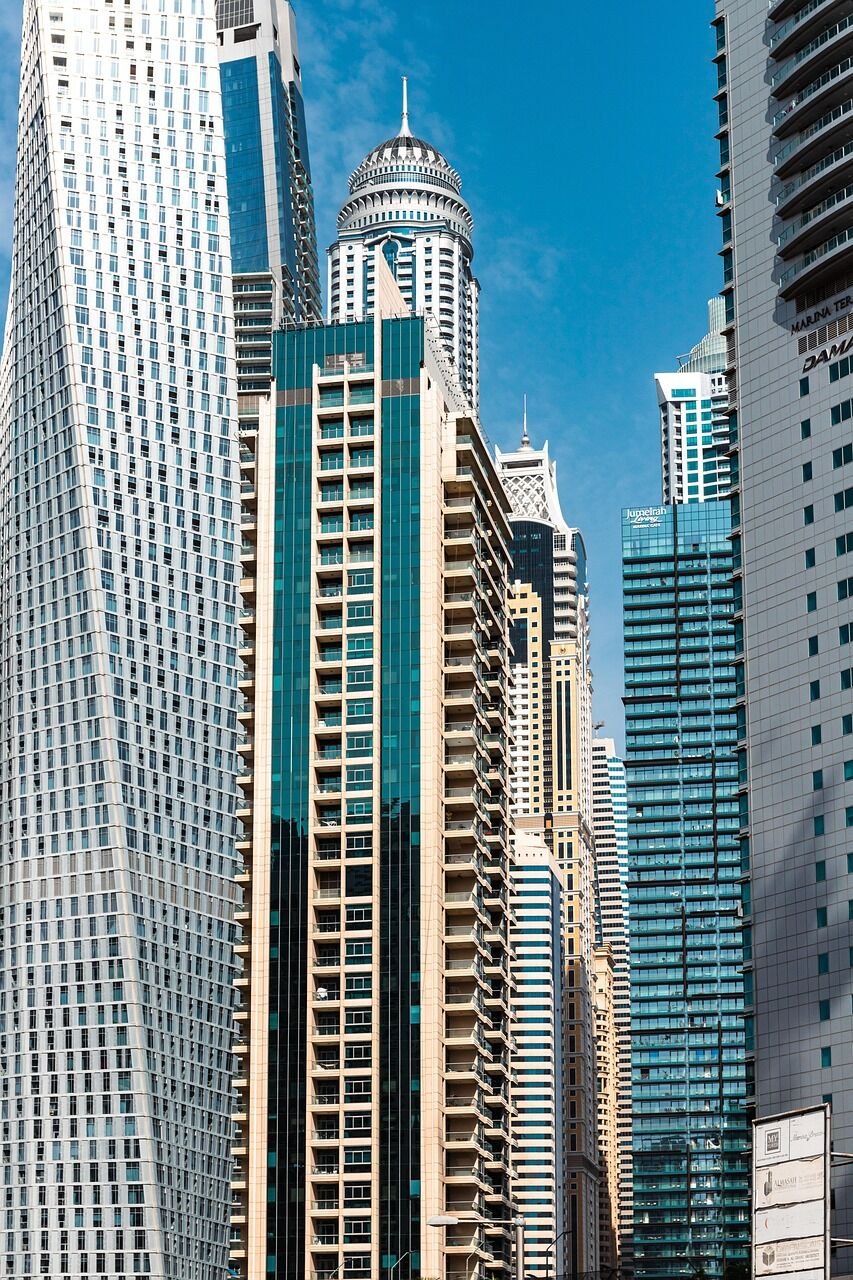
Smart Eco-Living in KL: Practical Ways to Save Electricity and Live Greener in Condos and Terrace Houses
Urban living in Kuala Lumpur and Selangor is becoming more expensive, especially when it comes to electricity bills. Air-conditioning, water heaters, lifts, security systems, and home electronics all add up, particularly in condos and high-rise apartments.
At the same time, more young professionals and environmentally conscious homeowners are looking for ways to live more sustainably without sacrificing comfort. The good news is that smart, eco-friendly upgrades can reduce monthly bills while also improving convenience and comfort at home.
“Sustainable living in urban Malaysia is no longer only about environmental awareness — many homeowners now focus equally on reducing long-term living costs.”
Why Electricity Costs Are Rising in Urban Malaysia
In Kuala Lumpur, most households rely heavily on air-conditioning because of the hot, humid weather and the urban heat island effect. Condos with lots of glass, west-facing units, and older terrace houses with poor insulation tend to heat up quickly.
Even if tariff changes are gradual, higher usage means higher monthly bills. Many KL families and young professionals are now spending a few hundred ringgit a month on electricity, especially if they work from home and run air-cons, laptops, and fans all day.
At the same time, more people are buying EVs in KL and Selangor, which can shift some fuel spending into the electricity bill if charging is done at home or in the condo car park. This makes smart energy management even more important.
Understanding Smart Eco-Living in a KL Condo or Terrace House
Smart eco-living simply means using technology + good habits to reduce waste, lower costs, and make daily life easier. You don’t need a fully “smart home” to benefit. Small, targeted upgrades can deliver solid savings.
For urban Malaysian homes, smart eco-living usually focuses on four main areas: cooling, lighting, water heating, and appliances. These are the main sources of electricity consumption in both condos and terrace houses.
1. Cooling: Smarter Air-Conditioning and Natural Ventilation
Air-conditioning is usually the biggest contributor to electricity usage in a KL home, especially in high-rise units that get direct sun. Even a few changes can reduce air-con usage significantly without making your home uncomfortable.
Key strategies include using inverter air-cons, improving airflow, and blocking heat from entering your home in the first place. These are practical for both small condos and larger terrace houses.
| Solution | Estimated Cost (RM) | Potential Benefit |
| Upgrade to inverter air-con (1HP–1.5HP) | 1,000–2,000 per unit | Up to 20–30% lower air-con energy use compared to non-inverter (depending on usage) |
| Install ceiling fans | 250–500 per fan with installation | Allows higher air-con temperature (26–27°C) while staying comfortable |
| Solar or heat-reflective window film | 20–40 per sq ft (selected windows) | Reduces heat gain, less air-con runtime in afternoon |
| Thick curtains or blinds | 150–500 per window | Blocks afternoon sun, keeps rooms cooler |
In a condo, you may be limited by building rules, but you can usually still install fans, curtains, and window film inside your unit. These upgrades are relatively low-cost and can reduce the need to turn on air-con during the day.
For terrace houses, especially intermediate units with poor cross-ventilation, combining ceiling fans, window shading, and strategic open windows can significantly reduce how long the air-con needs to run at night.
2. Lighting: Simple LED Upgrades with Fast Payback
Lighting is one of the easiest upgrades. Many older condos and terrace houses still use fluorescent tubes or halogen downlights, which consume more power and generate heat. This heat can further strain your air-con.
Switching to LED lighting is low effort, relatively cheap, and has a quick payback. In most cases, you can do this room by room, starting with areas you use most, like the living room, kitchen, and home office.
For example, replacing ten 18W fluorescent tubes with 9–10W LEDs can cut lighting energy by around half. Over a year, especially in a household that keeps lights on for long hours, the savings can easily reach tens of ringgit per month.
3. Smart Plugs and Schedulers: Cutting Standby Waste
Many homes in Kuala Lumpur leave routers, TVs, game consoles, and chargers on 24/7. These devices in standby mode still draw power. While each one is small, the combined effect can be meaningful over a year.
Smart plugs allow you to schedule power or turn devices off remotely using your phone. For example, you can automatically cut power to your TV, media box, and soundbar at midnight, or switch off the water heater after showers.
This is especially helpful for young professionals who are often out late or travel frequently. Even simple timers on water heaters and outdoor lights can reduce wasted electricity without needing to remember to switch things off manually.
4. Water Heating: A Hidden Energy Drain in Urban Homes
Instant water heaters are very common in KL condos and terrace houses. While convenient, they consume a lot of power during use. Storing hot water in a tank also leads to heat loss over time if insulation is poor.
Smart eco-living options include choosing energy-efficient heaters, scheduling usage, and adjusting temperature. For condos with limited electrical capacity, efficient heaters can also help avoid overloading circuits.
If you are renovating a terrace house, consider solar-assisted water heating if your roof gets strong sun and your house orientation allows consistent exposure. This can shift a significant part of your hot water energy use from electricity to solar, especially for families.
EV Ownership in KL: The Condo Charging Challenge
EV ownership is growing in Kuala Lumpur and Selangor, especially among young professionals and families upgrading from petrol cars. Lower running costs and environmental benefits are attractive, but charging is not always straightforward in high-density areas.
For landed terrace houses with private car porches, setting up home charging is usually easier, subject to electrical capacity and wiring. In this case, night-time charging at home can be convenient and cost-effective.
In condos, however, the situation is more complex. Many buildings were not originally designed with EV charging in mind. Residents may need to get management approval, deal with shared car park wiring, and sometimes pay extra for charging infrastructure.
Practical EV Charging Approaches for Condo Dwellers
If you live in a high-rise in Kuala Lumpur, you may need a mix of strategies for EV charging:
- Using DC fast chargers at nearby malls and commercial buildings as part of your weekly routine
- Discussing with your Joint Management Body (JMB) or Management Corporation (MC) about future EV charging plans
- Considering public charging-heavy usage if your condo cannot support private chargers
- Choosing EVs with higher range to reduce charging frequency
Some newer green-certified condos now include EV charging bays as part of their eco-friendly facilities, reflecting the increasing demand for green-certified buildings in KL and Selangor. When buying or renting, this can be an important factor to compare.
Are Solar Panels Worth It for Urban Malaysian Homes?
Solar photovoltaic (PV) systems are becoming more popular among environmentally conscious homeowners in Selangor and certain parts of Kuala Lumpur. However, they are not suitable for every property type.
For condos and apartments, individual unit owners usually cannot install solar panels on the roof, because it is common property. Only if the building management decides to install a communal system for common areas will residents benefit indirectly.
For terrace houses, especially corner or end lots with good roof space, solar can be more practical. Households with higher daytime consumption (work from home, home offices, elderly at home) often stand to benefit more, as they can use solar energy directly while the sun is shining.
Balancing Cost, Savings, and Sustainability
Solar panels involve a sizeable upfront cost, but they can reduce monthly electricity bills over the long term. Many homeowners look at them as a 10–20-year investment rather than a short-term saving.
The sustainability benefit is also clear: using solar reduces reliance on grid electricity generated from fossil fuels. For environmentally conscious homeowners, this combination of lower long-term bills and lower carbon footprint can be very attractive.
However, if your electricity usage is modest, or your roof is shaded by tall buildings or trees, smaller eco-upgrades inside the home may provide better value before you consider solar.
Smart Eco-Living Upgrades Checklist for KL Condo & Terrace House Owners
The following checklist can help you prioritise upgrades that make sense for your lifestyle and property type:
- Replace old, non-inverter air-cons with inverter models in rooms you use daily
- Install ceiling fans to reduce reliance on air-con and allow higher temperature settings
- Switch all high-use lights (living room, kitchen, work area) to LED bulbs
- Add thick curtains or blinds to west-facing windows to block afternoon heat
- Use smart plugs or timers for TVs, media boxes, and water heaters to avoid standby waste
- Choose energy-efficient appliances with good energy ratings when replacing old units
- Seal gaps around doors and windows to reduce hot air leaks and dust from outside
- Talk to your condo management about future EV charging and green building features
- For terrace houses, evaluate roof suitability and financial readiness before installing solar
By tackling these one by one, you can spread out the cost while still moving steadily toward a lower-bill, lower-impact lifestyle in Kuala Lumpur or Selangor.
Green-Certified Buildings and the Future of Urban Living in KL
There is growing interest in green-certified buildings in the Klang Valley. Developers are promoting features like better insulation, efficient lifts, rainwater harvesting, and EV-ready car parks.
For young professionals choosing where to rent or buy, these features can translate into lower shared utility costs over time, such as reduced lighting costs for common areas and potentially better airflow in units.
Environmentally conscious homeowners also see green buildings as a way to align their lifestyle and values. While the purchase or rental price may sometimes be higher, long-term savings and comfort improvements can make them attractive for city living.
FAQs: Smart, Eco-Friendly Living in Kuala Lumpur and Selangor
1. Are solar panels really worth it in Malaysia?
Solar panels can be worthwhile in Malaysia if you have a suitable roof (unshaded, with good sun exposure) and relatively high electricity usage. Terrace house owners with families, home offices, or frequent daytime occupancy tend to benefit most.
However, the decision depends on your budget and plans to stay in the property long term. It is generally not practical for individual condo owners, unless the building installs a shared system for common facilities.
2. Can condos support EV charging in KL and Selangor?
Some newer condos in Kuala Lumpur and Selangor are designed with EV charging in mind, offering shared charging bays in the car park. For older buildings, it depends on the electrical capacity, wiring layout, and willingness of the JMB or MC to invest.
Individual private chargers at condo bays can be challenging due to shared wiring and billing issues. Many condo residents rely on public and mall chargers, while discussing with management about future installations.
3. How much electricity can smart devices actually save?
Smart devices like plugs, timers, and schedulers mainly help by reducing waste — turning things off when not needed. On their own, they do not save as much as switching to more efficient appliances, but they ensure you are not paying for standby or forgotten devices.
In an average urban home, combining smart plugs with better habits (higher air-con settings, scheduled water heaters, lights off when not needed) can add up to noticeable monthly savings, especially over a full year.
4. Are eco-friendly home upgrades very expensive?
Some upgrades like solar panels and full home automation can be expensive, but many eco-friendly steps are affordable and can be done gradually. LEDs, fans, curtains, draft sealing, and smart plugs are relatively low-cost with good payback.
It helps to prioritise areas where you use the most electricity: cooling, water heating, and large appliances. By focusing there first, you can get better savings per ringgit spent.
5. Do terrace houses or condos have more potential for eco-living?
Both have potential, but in different ways. Terrace houses generally have more control over the roof and outer walls, making solar, insulation, and shading easier to implement. They also allow EV home charging more easily if driveway space and wiring permit.
Condos benefit from smaller internal spaces and shared building systems. While individual owners have less control over structure, many still achieve strong savings through efficient appliances, lighting, and smart devices inside their units.
Bringing It All Together: Smarter, Greener Urban Living
For residents of Kuala Lumpur and Selangor, smart eco-living is about finding the right balance between cost, comfort, and sustainability. You do not have to upgrade everything at once. Even a few well-chosen changes can reduce your electricity bill and environmental impact.
Whether you live in a compact condo in the city centre or a terrace house in the suburbs, focusing on cooling efficiency, smart control of devices, and better lighting can make a visible difference. Over time, you can explore solar, EVs, and green-certified buildings as your lifestyle and budget evolve.
Small eco-friendly upgrades often make a bigger difference over time than many homeowners initially expect, especially in urban households with rising utility costs.
This article is for educational and general sustainability awareness only and does not constitute professional engineering, financial, or environmental advice.
🏙️ Explore Kuala Lumpur Properties
- New Condo Projects in Kuala Lumpur
- Condo for Sale in Kuala Lumpur
- Condo for Rent in Kuala Lumpur
- Landed Homes & Shop Lots for Sale
- Browse Properties by Area
- Property Buying Guides & Tips
- Find Property Agents
- Find Homeowner Insurance Agent
📍 Browse Properties by Location
- Property in KLCC
- Property in Mont Kiara
- Property in Bangsar
- Property in Sri Hartamas
- Property in Bukit Jalil
- Property in Cheras
- Property in Setapak
- Property in Petaling Jaya
- Property in Subang Jaya
⚠️ Disclaimer
The information provided in this article is for general educational and informational purposes only. While we strive to keep property information accurate and up to date, availability, pricing, specifications, and promotions may change without prior notice.
This content should not be considered legal, financial, investment, or mortgage advice. Readers are encouraged to verify all information directly with property developers, property owners, licensed real estate agents, financial institutions, or relevant authorities before making any purchasing or rental decisions.
KLCondo.com.my is an independent property information platform and is not responsible for any losses arising from the use of information published on this website.
