
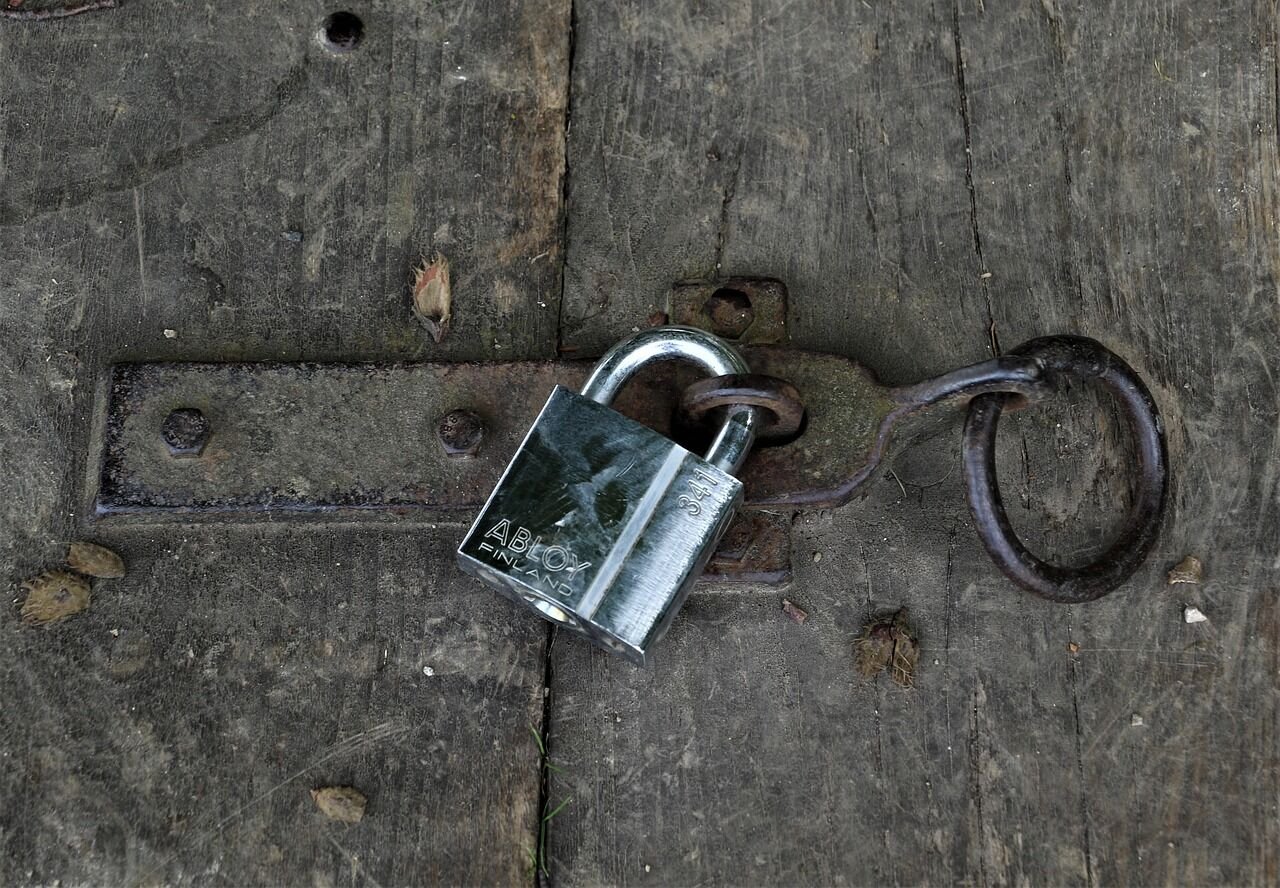
For rental properties in Kuala Lumpur and Selangor, security is not only about preventing break-ins. It is also about protecting tenants, reducing disputes, managing access, preparing for emergencies, and keeping the property in good condition when the owner is not staying there.
This is especially important for landlords with condominiums, apartments, terrace houses, shoplots, vacant units, home offices, or subsale properties waiting for renovation. A sensible setup may include a digital lock, CCTV, motion sensors, door sensors, smoke detectors, fire extinguishers, and clear house rules. But the right choice depends on the property type, tenant arrangement, building management rules, privacy expectations, internet connection, and maintenance budget.
The goal is not to make a home feel like a high-security facility. The goal is to solve real problems in a practical way: who can enter, what happens if something goes wrong, how alerts are received, and how tenants’ privacy is respected.
Security Starts With the Problem You Are Trying to Solve
Before buying any device, landlords should first identify the problem. A CCTV camera, smart lock, or motion sensor may sound useful, but each one solves a different issue.
- Control access properly: Use good-quality locks, digital locks, key management, and backup access methods.
- Monitor entry points, not private spaces: Cameras should focus on entrances, car porches, gates, or permitted external areas, not bedrooms or bathrooms.
- Use sensors for early alerts: Door sensors and motion sensors can notify you when movement or opening is detected.
- Prepare for fire, not just theft: Smoke detectors, heat detectors, fire extinguishers, and escape planning are part of rental property safety.
- Respect privacy: Tenants must know what is installed, where data is stored, and who can access recordings.
- Check condo rules: Management policies may restrict cameras, video doorbells, wiring, drilling, or devices facing common corridors.
- Plan maintenance: Batteries, Wi-Fi, storage, firmware updates, and alarm testing must be checked regularly.
Building-Level Security vs Unit-Level Security
For condominium and apartment owners, it is important to separate building-level security from unit-level security.
Building-level security is usually managed by the joint management body, management corporation, developer, or appointed building manager. This may include security guards, access cards, lift access control, boom gates, visitor registration, intercoms, common-area CCTV, car park cameras, and guardhouse procedures.
Individual residents and landlords generally cannot independently modify these systems. For example, you cannot install your own camera in the lift lobby or change the building’s access card system just because you own one unit.
Unit-level security refers to devices inside or attached to your own unit, subject to management rules. Examples include digital door locks, door sensors, video doorbells, indoor cameras in non-private common areas, alarm systems, smoke detectors, and window sensors.
Even for unit-level devices, condo management rules may apply if the device faces a shared corridor, is mounted outside the main door, requires drilling, changes the appearance of the entrance, or records common property. Always check the house rules before installation.
Digital Door Locks for Rental Properties
A digital door lock, also called a smart lock, allows entry using PIN codes, cards, fingerprints, mobile apps, mechanical keys, or a combination of these methods. For rental properties, the biggest benefit is access control. Landlords can change PIN codes between tenancies without replacing the whole lock, and tenants do not need to duplicate physical keys unnecessarily.
For condos and apartments, digital locks are commonly installed on the main unit door, but management approval may be needed if the installation affects the fire-rated door, door closer, frame, or common corridor appearance. For landed homes such as terrace houses, semi-D homes, and bungalows, digital locks are often installed on the main door, side door, or grille gate, depending on the layout.
What Landlords Should Consider Before Installing a Digital Lock
Backup access: Choose a lock with a reliable backup method such as a mechanical key, emergency power contact, or temporary access method. Batteries can run out, electronics can fail, and tenants may forget PIN codes.
Battery management: Most digital locks use batteries. Landlords should explain low-battery alerts to tenants and keep a schedule for replacement. For long-term rentals, the tenancy agreement or house guide should clarify who is responsible for replacing batteries.
User permissions: Remove old tenant PINs, fingerprints, cards, or app access immediately after move-out. If cleaners, agents, contractors, or short-stay operators have access, use temporary or separate codes where possible.
Door condition: A weak door, misaligned frame, rusty grille, or loose hinge can affect lock performance. A digital lock is not a substitute for a solid door and properly fitted hardware.
Condo fire door concerns: Some condo main doors are fire-rated doors. Cutting, drilling, or replacing parts without approval may affect compliance or management rules. Use qualified installers and check with management when necessary.
CCTV, IP Cameras, Wi-Fi Cameras, NVR and DVR Explained
CCTV is commonly used as a general term for security cameras. In simple terms, CCTV helps record or view activity in selected areas. It does not guarantee safety, but it can help with awareness, incident review, and deterrence when used responsibly.
IP cameras are cameras that connect through a network, usually using a router. They may be wired using network cable or connected through Wi-Fi. Many modern home cameras are IP cameras.
Wi-Fi cameras are IP cameras that connect wirelessly to the internet. They are popular for rental homes because installation can be easier, but they depend heavily on Wi-Fi strength, power supply, and internet stability.
NVR means network video recorder. It records footage from IP cameras, usually onto a hard drive. NVR systems are common for landed houses, shoplots, and larger properties where several cameras are used.
DVR means digital video recorder. It is usually used with older-style analogue CCTV cameras connected by coaxial cable. DVR setups still exist in many older homes and commercial units.
Cloud storage means recordings are uploaded to the service provider’s online server. This allows remote viewing and may protect footage if the camera is damaged or stolen, but it usually depends on subscription plans, internet upload speed, and account security.
Local storage means footage is stored on a memory card, NVR, DVR, or hard drive at the property. It may avoid ongoing cloud subscription costs, but the storage device must be protected and maintained.
Where Cameras May Be Useful for Rental Properties
For landlords, cameras should be installed only where there is a legitimate safety or property-management purpose, and where privacy is respected.
Suitable locations may include the main entrance from inside the unit facing the door, car porch, gate area for landed homes, shoplot entrance, back lane entrance, or storage area in a commercial rental. In condos, a video doorbell or camera facing the shared corridor may be restricted by management rules because the corridor is common property and neighbours’ privacy is involved.
Indoor cameras inside rental properties require extra care. For long-term rentals, landlords should generally avoid indoor cameras unless there is a very specific and agreed purpose, such as a camera facing only the entrance area of a shared co-living unit. Cameras must not be placed in bedrooms, bathrooms, changing areas, or other highly private spaces. Tenants should be clearly informed in writing about any camera location, recording function, storage method, and who can access the footage.
A good security setup watches entry points and detects danger early; it should never turn a tenant’s private home into a place where they feel monitored.
Video Doorbells and Smart Intercoms
A video doorbell is a doorbell with a built-in camera, microphone, speaker, and app connection. It may offer two-way audio, which means the user can speak to a visitor through the phone app. Some also include motion detection and smart alerts.
For a landed rental property, a video doorbell at the gate or main door can help tenants see visitors before opening. For condos, installation is more sensitive because the doorbell may record shared corridors, neighbours, cleaners, guards, or delivery riders. Building management may have specific policies on external devices, doorframe drilling, and corridor-facing cameras.
If a video doorbell is used in a rental unit, the landlord and tenant should agree who owns the account, who receives alerts, and whether the landlord can access recordings. In many normal long-term rentals, it is more privacy-friendly for the tenant to control the app account during the tenancy, while the landlord resets the device after move-out.
Motion Sensors, Door Sensors and Smart Alerts
Motion detection means a device notices movement. Some cameras detect motion using software by comparing image changes. A PIR sensor, short for passive infrared sensor, detects changes in heat from people, animals, or moving warm objects. PIR sensors are common in alarm systems and motion-activated lights.
For rental properties, motion sensors can be useful in entrance areas, staircases, car porches, shoplot interiors after business hours, and vacant properties. Door sensors are small devices installed on a door or window. They can alert the user when the door or window opens.
Smart alerts are notifications sent to a phone app when a device detects motion, opening, smoke, or another event. Alerts are useful only if someone is responsible for checking them. For landlords, this should be agreed clearly with tenants. A tenant should not feel that the landlord is watching normal daily movement inside the home.
For occupied rental homes, sensors should usually focus on security openings such as doors and windows, not on tracking tenant lifestyle patterns. For vacant units, renovation sites, or home offices, motion sensors can provide early warning if there is activity when nobody should be there.
Comparison: CCTV vs Motion Sensor for Rental Properties
| Feature | CCTV Camera | Motion Sensor |
| Main purpose | Records or views activity in a selected area | Detects movement and triggers an alert or alarm |
| Best for | Entrances, gates, car porches, shoplots, external areas where privacy is managed | Doors, corridors, staircases, vacant units, alarm zones |
| Privacy concern | Higher, because video may capture people and shared areas | Lower, but still must not be used to monitor tenant habits unfairly |
| Internet needed | Usually needed for remote viewing and cloud storage | Needed for app alerts, but some alarm systems work locally |
| Evidence value | Can provide visual footage if recording works | Shows activity was detected but no visual detail |
| Maintenance | Clean lens, check storage, update firmware, test connection | Test sensor, replace batteries, check placement |
Alarm Systems and Access Control
An alarm system usually combines sensors, a siren, a control panel, and sometimes app alerts or professional monitoring. A simple DIY alarm may use door sensors and motion sensors connected to a hub. A professionally installed alarm may include more zones, backup power, stronger sirens, and integration with other systems.
Access control means controlling who can enter an area. In condos, building-level access control includes access cards, lift access, visitor registration, and intercoms. These are managed by the building, not individual landlords. At the unit level, access control can include digital locks, key safes, keypad locks for rooms, or controlled access to a home office area.
For shoplots or home offices, access control may also include staff PINs, card readers, and audit logs that show entry times. If personal data is collected, such as staff names or access records, handle it responsibly and limit who can view it.
Night Vision, Lighting and Camera Quality
Night vision allows cameras to capture images in low light. Many cameras use infrared light, which is not obvious to the human eye, while some use built-in spotlights for colour night view. For rental homes, good lighting is often as important as the camera itself.
Motion-activated lights at car porches, side passages, entrances, and back lanes can improve visibility and make it easier for tenants to move safely at night. For condos, lighting in corridors, staircases, lifts, and car parks is usually building-level maintenance, so residents should report faulty lights to management rather than installing their own fixtures in common areas.
Internet, Broadband and Power Requirements
Many smart security devices depend on internet connection. Wi-Fi cameras, smart locks with app access, smart sensors, video doorbells, and cloud alarms may not work fully if the router is off, the broadband line is unstable, or the subscription is inactive.
For landlords, decide whether the rental includes internet. If tenants provide their own broadband, the landlord should not assume landlord-owned cameras or smart devices can always connect to the tenant’s router. This is especially relevant for long-term rentals where privacy and control of the internet account belong to the tenant.
For vacant properties, owners may need a basic internet plan or a device that supports mobile data, if remote monitoring is required. Readers may also explore related KLCondo.com.my topics such as Internet & Broadband, Smart Home, and Digital Home Office when planning connected devices.
Privacy and Data Storage for Landlords
Privacy is one of the most important parts of rental property security. A device that helps one landlord may create discomfort or legal and management issues if used carelessly.
Landlords should disclose cameras, sensors, smart locks, and recording systems before tenancy starts. The tenancy agreement or handover checklist can include device locations, purpose, app access, recording retention, and maintenance responsibility.
For cameras and video doorbells, consider what the device captures. Avoid pointing cameras directly into a neighbour’s unit, balcony, window, or private area. Avoid recording shared corridors unless permitted and properly positioned. Do not install cameras inside bathrooms, bedrooms, or private sleeping areas.
For data storage, decide whether recordings are stored in the cloud or locally. Cloud accounts should use strong passwords and, where available, two-factor authentication. Remove old users, agents, contractors, and previous tenants from the account. Recording retention should be reasonable; keeping footage forever is usually unnecessary and increases privacy risk.
Fire Safety for Rental Properties
Security is not complete without fire safety. For rental homes, especially high-rise condos, apartments, shoplots, and older landed properties, early warning and emergency planning are critical.
Smoke detection uses a smoke detector to alert occupants when smoke particles are detected. Smoke detectors are useful near bedrooms, living areas, corridors, and escape routes, depending on the property layout. They provide early warning so people can evacuate.
Heat detection uses a heat detector to respond to high temperature or rapid temperature increase. Heat detectors may be used in areas where smoke detectors may trigger frequent false alarms, such as certain kitchen-adjacent areas, but placement should be carefully considered.
Landlords should also consider suitable fire extinguishers, especially for kitchens, shoplots, and home offices. Tenants should know where the extinguisher is located and how to use it safely. However, occupants should never be encouraged to stay inside a dangerous property to investigate a fire. If there is smoke, fire, or serious doubt, leave the property, alert others if safe to do so, and call emergency services.
Fire escape planning is also important. Keep exit paths clear, do not block the main door, grille, stairway, balcony access, or fire escape route. In condos, residents should know the location of emergency staircases and follow building evacuation procedures. Do not use lifts during a fire emergency unless instructed by emergency personnel or building systems designed for that situation.
Smoke Detector and Fire Alarm Maintenance
Smoke detectors and alarms are only useful if they work. Landlords should test alarms during handover, before a new tenancy, and periodically where appropriate. Battery-powered detectors need battery replacement. Some units give low-battery chirps, but tenants may ignore them if they do not understand the sound.
For wired fire alarm systems, shoplots, offices, and more complex properties, use qualified professionals for installation, inspection, and maintenance. If the property is part of a condo or commercial building, building-level fire alarm systems, hose reels, sprinklers, fire doors, and emergency lighting are normally under management or building owner responsibility. Individual owners should not tamper with common fire-safety systems.
Installation Considerations for Different Property Types
Condominiums and apartments: Prioritise the main door lock, door sensor, smoke detector, and tenant-controlled video doorbell only if allowed. Check management rules before drilling, external mounting, or installing devices facing common corridors.
Terrace houses and townhouses: Consider gate area lighting, main door digital lock, grille condition, back door sensor, car porch camera, and smoke detectors near sleeping areas
🏙️ Explore Kuala Lumpur Properties
- New Condo Projects in Kuala Lumpur
- Condo for Sale in Kuala Lumpur
- Condo for Rent in Kuala Lumpur
- Landed Homes & Shop Lots for Sale
- Browse Properties by Area
- Property Buying Guides & Tips
- Find Property Agents
- Find Homeowner Insurance Agent
📍 Browse Properties by Location
- Property in KLCC
- Property in Mont Kiara
- Property in Bangsar
- Property in Sri Hartamas
- Property in Bukit Jalil
- Property in Cheras
- Property in Setapak
- Property in Petaling Jaya
- Property in Subang Jaya
⚠️ Disclaimer
The information provided in this article is for general educational and informational purposes only. While we strive to keep property information accurate and up to date, availability, pricing, specifications, and promotions may change without prior notice.
This content should not be considered legal, financial, investment, or mortgage advice. Readers are encouraged to verify all information directly with property developers, property owners, licensed real estate agents, financial institutions, or relevant authorities before making any purchasing or rental decisions.
KLCondo.com.my is an independent property information platform and is not responsible for any losses arising from the use of information published on this website.
