
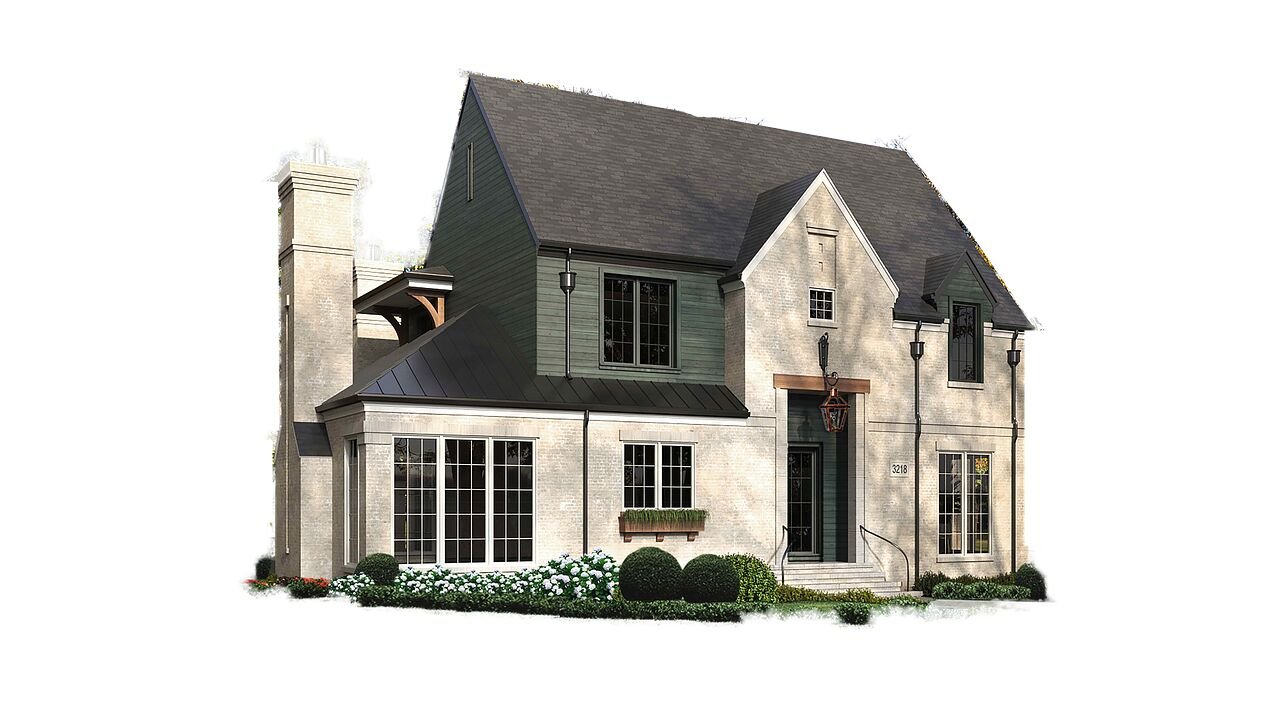
Kepong in Kuala Lumpur has quietly shifted from an industrial and working-class suburb into a more balanced residential neighbourhood with new condos, malls, and better connectivity. For many tenants and buyers priced out of central KL or Mont Kiara, Kepong is now a practical middle-ground: relatively affordable, increasingly convenient, but still with a down-to-earth local feel. Understanding its micro-locations is crucial, because living next to a busy industrial road is very different from staying in a newer lakefront development.
Covering areas like Bandar Menjalara, Taman Bukit Maluri, Metro Prima, Jinjang and newer projects around Kepong Metropolitan Park and Kepong Baru MRT, the neighbourhood offers a wide range of condo options. Some pockets feel almost like an extension of Desa ParkCity, while others still resemble older shoplot belts with heavy traffic and basic amenities. For both own-stay buyers and investors, the key decision is which part of Kepong aligns with your expectations and risk tolerance.
Location and Connectivity
Kepong sits on the north-western side of Kuala Lumpur, between Desa ParkCity, Segambut, Selayang and Jinjang. It is about 20–30 minutes’ drive to KLCC in light traffic, though peak-hour congestion can push that to 45 minutes or more. Many residents choose Kepong because it offers relatively easy access to various parts of the Klang Valley without being too deep into the city centre.
The area is served by several major roads and highways: the MRR2, LDP, Duke and Jalan Kuching. For condo residents, this means multiple route options into central Kuala Lumpur, Mont Kiara, and even to Setapak and Cheras. However, bottlenecks near busy intersections and commercial stretches are common, so your specific condo’s ingress and egress points matter a lot for daily commuting comfort.
Public transport has improved significantly with the MRT Putrajaya Line. Key nearby stations include Kepong Baru, Metro Prima, Jinjang and Sri Delima, connecting Kepong more directly to KL city, KLCC East and even onwards to Cheras and beyond. Condos within walking distance (or a reliable shuttle distance) to these stations tend to enjoy stronger rental demand and better long-term appeal.
Everyday Lifestyle and Amenities
Kepong’s lifestyle is less polished compared to Bangsar or Mont Kiara, but it is practical, lively, and increasingly varied. Traditional kopitiams and family-run eateries sit alongside newer cafes and branded chains in malls. Many long-time KL residents come here specifically for food, especially Chinese eateries, seafood restaurants, and old-school bakeries.
Malls like AEON Metro Prima and AEON Big Kepong provide basic shopping needs, supermarkets, and casual dining. Newer commercial nodes near Desa ParkCity and Bandar Menjalara add more modern F&B outlets and specialty grocers. While you won’t get the curated, expatriate-centric retail scene of Desa ParkCity or KLCC, you do get a wide range of affordable local options within a short drive.
One of Kepong’s standout lifestyle features is its access to parks. Kepong Metropolitan Park is popular for kite flying, jogging and evening family outings, while the nearby FRIM (Forest Research Institute Malaysia) in Kepong offers forest trails and biking routes. For residents who want green spaces without paying Mont Kiara prices, Kepong is a realistic alternative.
Who Kepong Suits Best
- Young professionals working in KL, Mont Kiara or Damansara who want lower rents and are willing to commute.
- Upgrading local families moving from older terrace houses to condos with facilities, but wanting to stay in the Kepong area.
- Investors seeking mid-market rental units with relatively stable demand, especially near MRT stations and major commercial nodes.
- Owners who value parks and practical amenities more than prestige or high-end branding.
- Cost-conscious buyers priced out of Desa ParkCity, Mont Kiara and Bandar Utama but wanting decent connectivity to central Kuala Lumpur.
Condo Living: On-the-Ground Reality
Condominium stock in Kepong ranges from older, basic apartments with minimal facilities to newer lifestyle-oriented developments with pools, gyms, and security. Many older condos were originally built as mass-market housing, which means practical layouts but more modest finishing and facility quality, alongside higher-density living.
Newer projects, especially near the lakefront areas and around Kepong Baru/Metro Prima MRT, are positioned as more lifestyle-focused. These come with modern facilities like sky gardens, gyms, co-working spaces and better security systems, aiming to attract younger buyers and renters who might otherwise look at Setapak, Cheras or even outer KL suburbs. The gap in maintenance standards between older and newer condos can be significant, so site visits are essential.
Noise and congestion are real considerations. Units facing busy roads or near industrial lots may experience traffic hum, lorry movement and busier surroundings. On the flip side, condos closer to parks and internal roads generally enjoy a quieter environment. As with much of Kuala Lumpur, “Kepong” is not one uniform experience; micro-location within the area heavily shapes your day-to-day living.
Rental Demand and Tenant Profile
Rental demand in Kepong is largely driven by local Malaysians working in nearby commercial and industrial zones, as well as some spillover from Mont Kiara, KL city and Damansara. Expatriate presence is lower compared to KLCC and Mont Kiara, and those who do stay here are usually cost-conscious or have ties to local industries.
Typical tenants include young singles, couples, and small families. Many prioritise connectivity to their workplace and access to amenities like supermarkets, food courts, and public transport. MRT-proximate condos and those with easy access to Duke or LDP often see faster tenant turnover and lower vacancy rates than isolated projects tucked deep into older residential pockets.
Rental yields often look more attractive in Kepong compared to premium areas like KLCC or Bangsar, purely because entry prices are lower. However, landlords need to be realistic about achievable rental rates and tenant expectations, which lean towards value-for-money rather than luxury.
Buying vs Renting in Kepong
Comparatively, buying a condo in Kepong is cheaper than in central Kuala Lumpur, Mont Kiara or Desa ParkCity, but not as cheap as some parts of Cheras or Setapak. This has attracted first-time buyers who see Kepong as a reasonable starting point into the KL property market, especially if they grew up nearby or work in neighbouring areas.
Renting, on the other hand, remains relatively affordable. Many tenants find they can secure a larger or better-facilitied unit in Kepong for the same budget that might only get them a small, older apartment closer to KLCC. For owner-occupiers, buying can make sense if you plan to stay for the medium term, especially in locations benefitting from MRT access and infrastructure upgrades.
From an investment perspective, Kepong is neither a speculative hotspot nor a dead market. Its appeal lies in steady, working-class and middle-income demand rather than glamour projects or high-profile launches. The decision to buy instead of rent depends on your time horizon, cash flow, and your confidence in Kepong’s gradual improvement story.
Key Factors at a Glance
| factor | observation | impact |
|---|---|---|
| Connectivity | Access via MRR2, Duke, LDP and MRT Putrajaya Line | Improves commuting appeal; MRT-adjacent condos attract stronger rental demand |
| Pricing | Generally lower than KLCC, Mont Kiara, Bangsar and Desa ParkCity | More accessible for first-time buyers and value-focused investors |
| Tenant profile | Mainly local working professionals and families | Stable, practical demand; less driven by expatriate cycles |
| Lifestyle | Strong food scene, basic malls, good access to parks | Appeals to those prioritising practicality, greenery and affordability |
| Future growth | Incremental improvements from MRT and surrounding developments | More likely steady capital appreciation than rapid spikes |
How Kepong Compares with Other KL Areas
Compared to KLCC, Kepong is less about prestige and more about liveability per ringgit. You won’t get iconic skylines or luxury malls, but you will get more space at a lower cost and lower living expenses. For investors, KLCC can be volatile and highly dependent on tourism and expatriate markets, while Kepong offers a more local, needs-based rental market.
Versus Mont Kiara, Kepong is noticeably less international. Mont Kiara’s condos are geared towards expatriates, with international schools and premium retail. Kepong instead serves a broader local demographic, with pricing and amenities adjusted accordingly. If you want cafes, international schools and expat-heavy communities, Mont Kiara is a better fit; if you want affordability with decent connectivity, Kepong is more realistic.
Compared with Bangsar, Kepong lacks the same cafe culture and nightlife, but it outperforms in terms of proximity to large public parks and generally lower property prices. Versus Setapak and Cheras, Kepong is competitive; each has different strengths, but Kepong’s park access and connection to Desa ParkCity make it attractive for nature-inclined residents.
Risks and Things to Watch Out For
As with many maturing suburbs in Kuala Lumpur, Kepong faces congestion during peak hours, especially near major junctions and commercial zones. When evaluating a condo, it is important to test your route during both morning and evening rush hours, and consider whether the project has adequate access roads and traffic management.
Another point is the variability in build quality and maintenance between different developments. Some older condos may have underfunded sinking funds, ageing facilities, or inconsistent management standards. Newer high-density projects, meanwhile, may face facility crowding or parking constraints once fully occupied.
Finally, buyers should be aware of the area’s mixed-land-use nature. Industrial plots, older housing, and modern lifestyle projects can sit side-by-side. Proximity to certain industrial or workshop areas may affect noise, air quality and long-term desirability. Careful on-site inspection and talking to existing residents can mitigate many of these concerns.
Practical Tips for Buyers and Investors
For owner-occupiers, start by identifying which part of Kepong suits your daily routine: near MRT, near your workplace, or near parks and schools. Shortlist condos with good access to your key routes and amenities you genuinely plan to use, rather than being swayed by glossy brochures or over-designed facilities that may be costly to maintain.
For investors, focus on fundamentals: walkability to MRT stations, presence of supermarkets and food options, and realistic rental rates. Look at transaction histories and rental listings to understand what tenants are currently paying, and avoid overestimating achievable yields. Comparing Kepong options with alternatives in Cheras and Setapak can also clarify whether Kepong’s price-to-rent ratio fits your strategy.
“In Kuala Lumpur, choosing the right neighbourhood often matters as much as choosing the right property.”
Regardless of your profile, try to visit Kepong at different times of day—weekday peak, weekend evenings, and late nights—to get a feel for traffic, noise levels, and neighbourhood activity. This ground-level understanding will tell you far more than marketing materials about whether daily life there will suit you.
Frequently Asked Questions (FAQ)
Is Kepong a good place to live for working professionals in Kuala Lumpur?
Yes, for many working professionals, Kepong offers a sensible balance of affordability and connectivity. With MRT access and multiple highways, commuting to central KL, Mont Kiara, Damansara or even Setapak is manageable, although peak-hour traffic can be heavy. It suits those who prioritise value over prestige and are comfortable with a more local, lived-in environment.
How is the rental demand for condos in Kepong?
Rental demand is generally steady, driven mainly by local tenants who work nearby or in adjacent employment hubs. Condos close to MRT stations, major commercial centres, and main road access points tend to enjoy better occupancy and lower vacancy risk. Rental rates are mid-range, so investors should focus on volume and stability rather than premium rents.
What are typical property prices like in Kepong compared to central KL?
On average, condo prices in Kepong are lower than in KLCC, Mont Kiara and Bangsar, but can be higher than some older parts of Cheras and Setapak. Newer, well-located projects near MRT or parks will command a premium over older walk-up apartments or less accessible developments. The lower entry cost makes Kepong relatively approachable for first-time buyers, but prices still vary significantly by project and micro-location.
Is Kepong more suitable for own-stay buyers or investors?
Kepong works for both, but with different expectations. Own-stay buyers benefit from practical amenities, parks, and reasonable access to Kuala Lumpur’s job centres. Investors, on the other hand, should treat Kepong as a mid-market, income-focused play, targeting stable rental demand rather than speculative capital gains.
How does Kepong compare to Desa ParkCity for condo living?
Desa ParkCity offers a more curated, master-planned environment with higher-end facilities, a strong community feel and significantly higher prices. Kepong, while adjacent to Desa ParkCity, is more mixed and less polished, but far more affordable. Buyers sometimes choose Kepong condos that are close to Desa ParkCity to enjoy nearby parks and amenities without paying Desa ParkCity-level prices.
This article is for educational and market understanding purposes only and does not constitute financial, property, or investment advice.
🏙️ Explore Kuala Lumpur Properties
- New Condo Projects in Kuala Lumpur
- Condo for Sale in Kuala Lumpur
- Condo for Rent in Kuala Lumpur
- Landed Homes & Shop Lots for Sale
- Browse Properties by Area
- Property Buying Guides & Tips
- Find Property Agents
- Find Homeowner Insurance Agent
📍 Browse Properties by Location
- Property in KLCC
- Property in Mont Kiara
- Property in Bangsar
- Property in Sri Hartamas
- Property in Bukit Jalil
- Property in Cheras
- Property in Setapak
- Property in Petaling Jaya
- Property in Subang Jaya
⚠️ Disclaimer
The information provided in this article is for general educational and informational purposes only. While we strive to keep property information accurate and up to date, availability, pricing, specifications, and promotions may change without prior notice.
This content should not be considered legal, financial, investment, or mortgage advice. Readers are encouraged to verify all information directly with property developers, property owners, licensed real estate agents, financial institutions, or relevant authorities before making any purchasing or rental decisions.
KLCondo.com.my is an independent property information platform and is not responsible for any losses arising from the use of information published on this website.
